Skip to content
thebitepassport
Marrakech, Morocco

What to eat in Marrakech

Morocco

Marrakech’s food culture is built around slow cooking, fragrant spices, fresh herbs, preserved ingredients and the social life of markets, riads and neighborhood cafés. Tagines, couscous, harira, tanjia, pastilla, grilled meats and breads show different sides of Moroccan cooking, while mint tea and sweets shape the pauses between meals. The city’s famous food square is part of the experience, but it is only one setting: bakeries, small soup counters, family restaurants and riad kitchens reveal a wider everyday food culture.

Visitors should explore by format as well as by dish. Share a tagine or couscous when you have time to sit down, try harira or msemmen as a more casual introduction, and look for seasonal salads, olives and bread on the table. Marrakech food is often communal, with dishes placed in the center and eaten with bread, although utensils are readily available. Menus and prices can vary between tourist areas and local neighborhoods, so ask what is fresh, confirm the price before ordering and be cautious with raw garnishes if you have a sensitive stomach.
Start a Food Mission here

7 dishes found

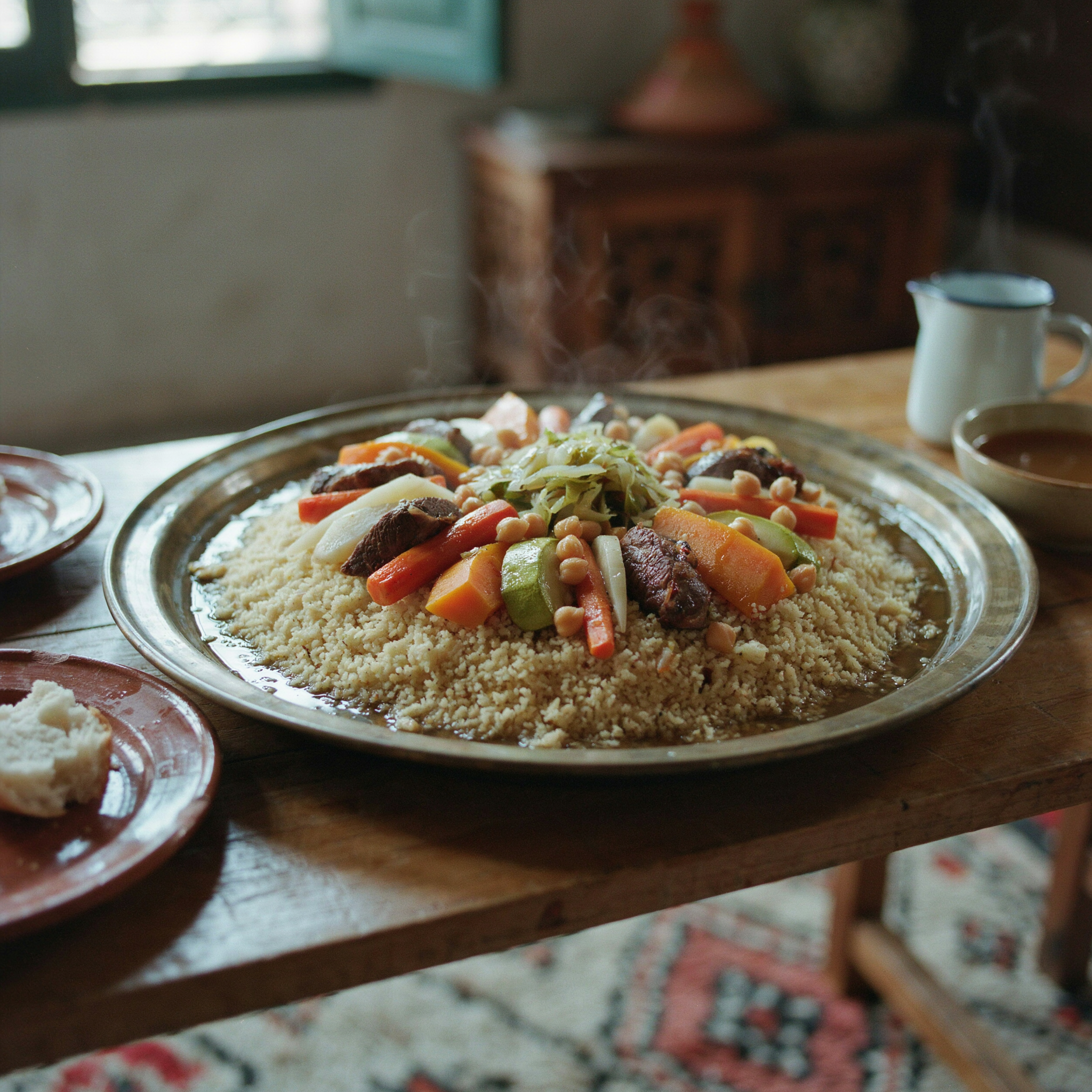
  • Couscous aux Sept Légumes

    This traditional Friday meal features steamed semolina grains piled high with a variety of tender, slow-simmered vegetables and meat. A rich, aromatic broth is served on the side to moisten the grains to perfection.

    • Iconic

    MAD 50–MAD 100 approx.

    0votes — sign in to vote
  • Pastilla

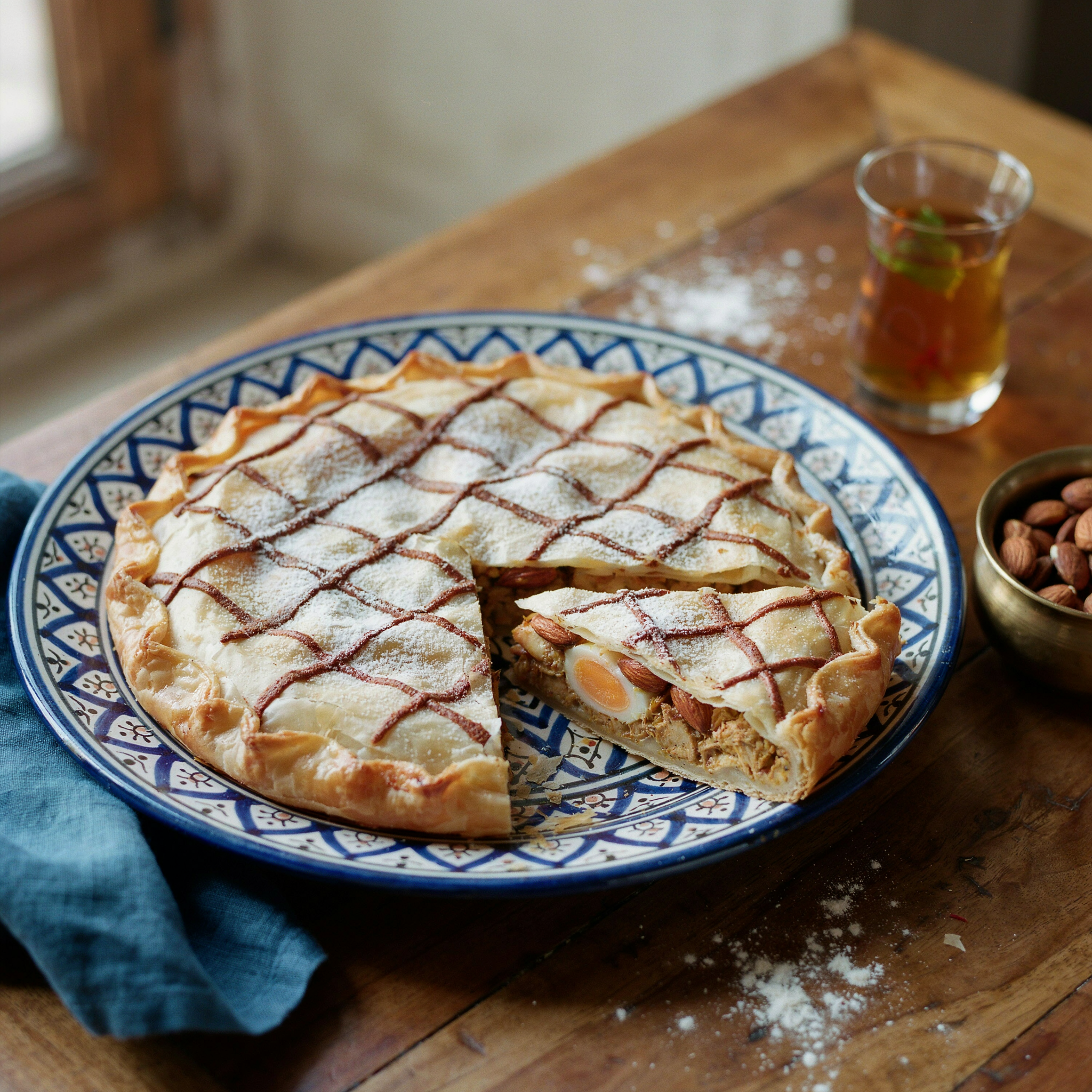
    This masterfully crafted pastry layers paper-thin warqa dough with a savory spiced chicken filling, roasted almonds, and eggs. It is baked to a golden crisp and dusted with cinnamon and powdered sugar for a striking sweet-and-savory contrast.

    • Iconic
    • Sweet

    MAD 60–MAD 130 approx.

    0votes — sign in to vote
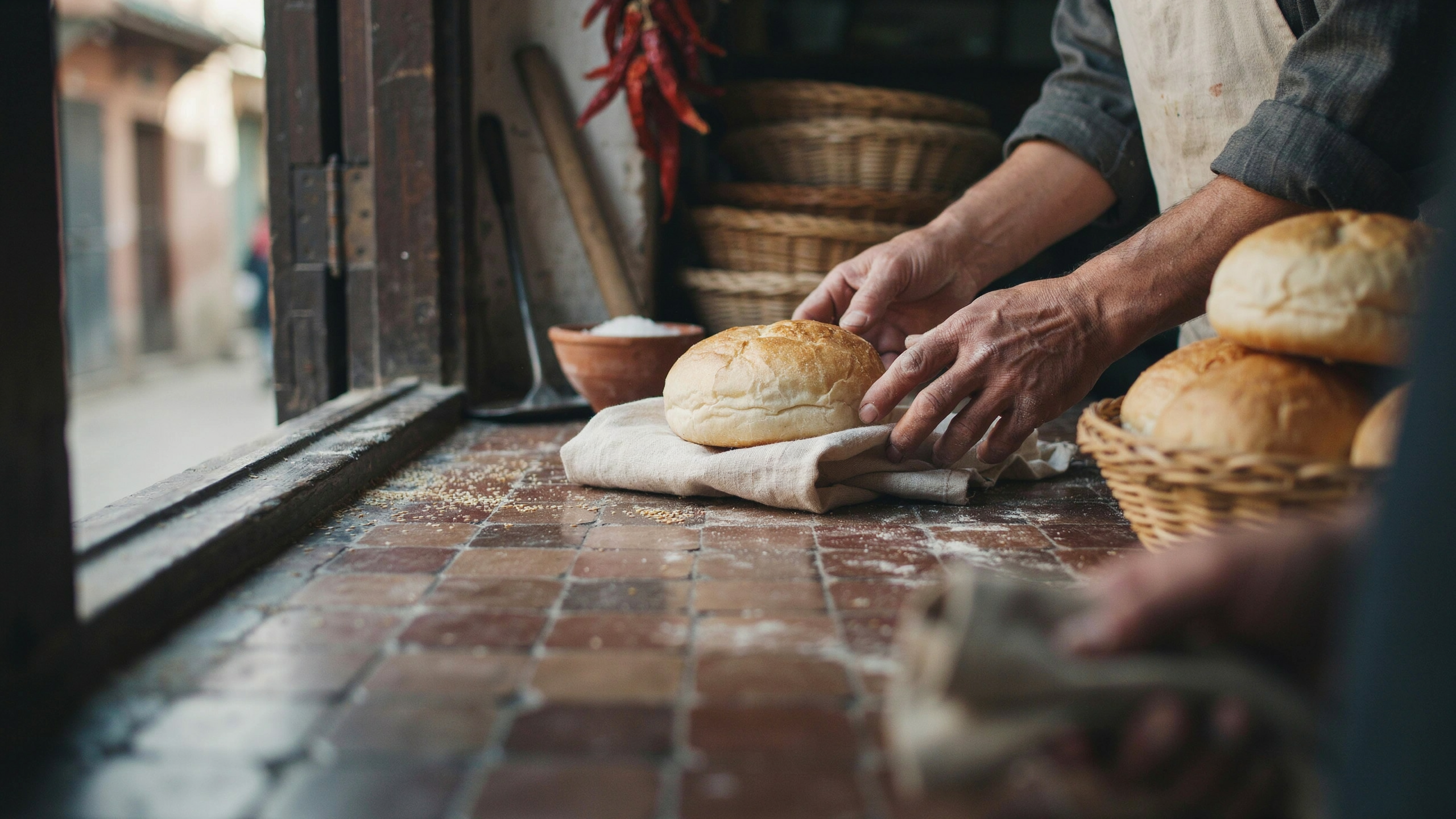
  • Msemmen

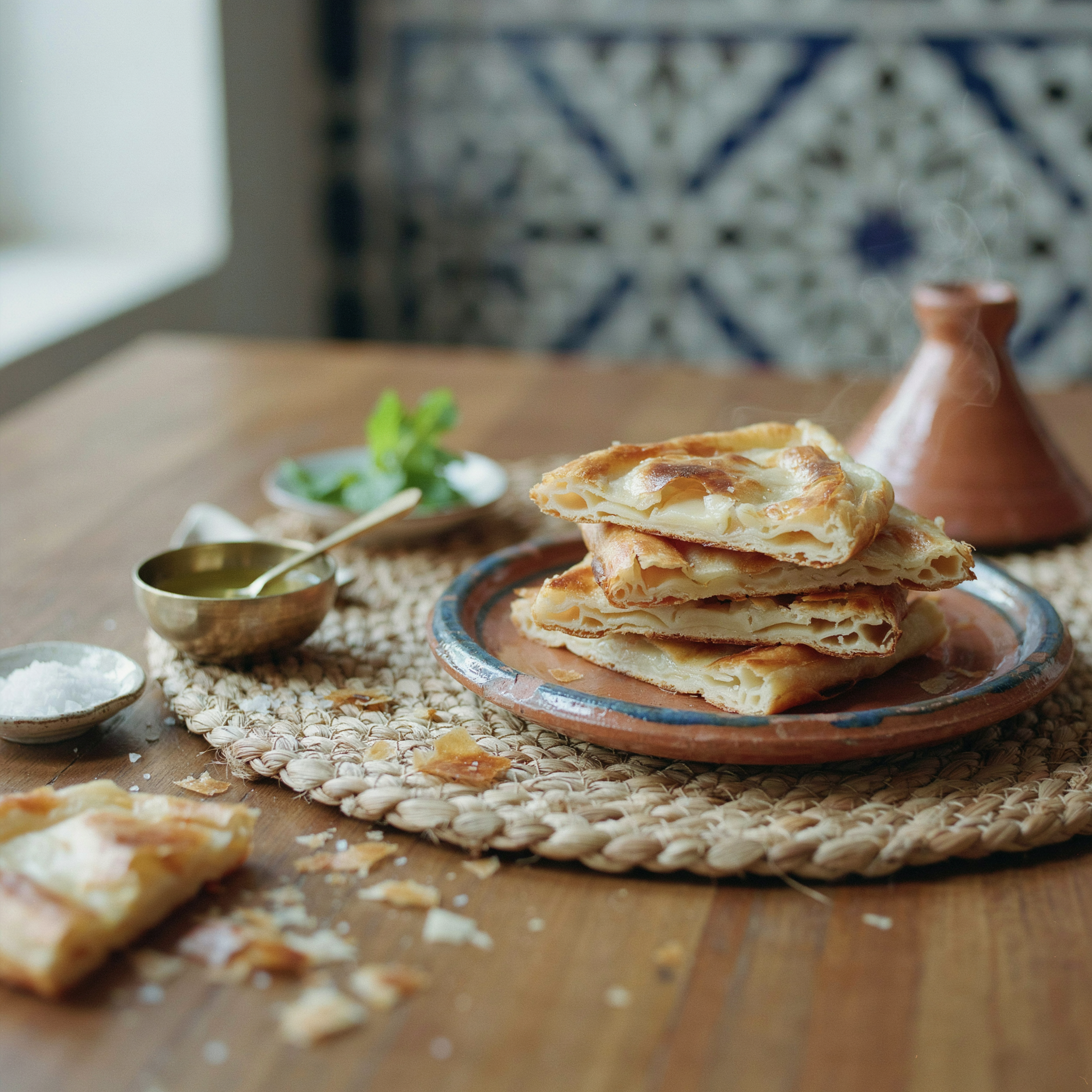
    Msemmen is a square Moroccan flatbread made by stretching and folding dough with oil and butter before cooking it on a hot griddle. The repeated folds create thin flaky layers around a chewy center, with a browned surface that can be crisp at the edges. It may be served plain, with honey and butter, alongside savory stews, or filled with onions and spices. The bread is rich enough to stand alone but also useful for scooping and sharing. In Marrakech, msemmen is common at breakfast tables, neighborhood bakeries, market stalls and café counters. It is often prepared fresh throughout the day, and watching it being folded and griddled is part of the experience. The bread is found across Morocco, so it is better understood as a national and regional staple encountered in Marrakech rather than a dish unique to the city. Its appeal is the contrast between handmade layers and everyday affordability.

    • Iconic
    • Street food
    • Vegetarian
    • Sweet

    MAD 3–MAD 10 approx.

    0votes — sign in to vote
  • Harira

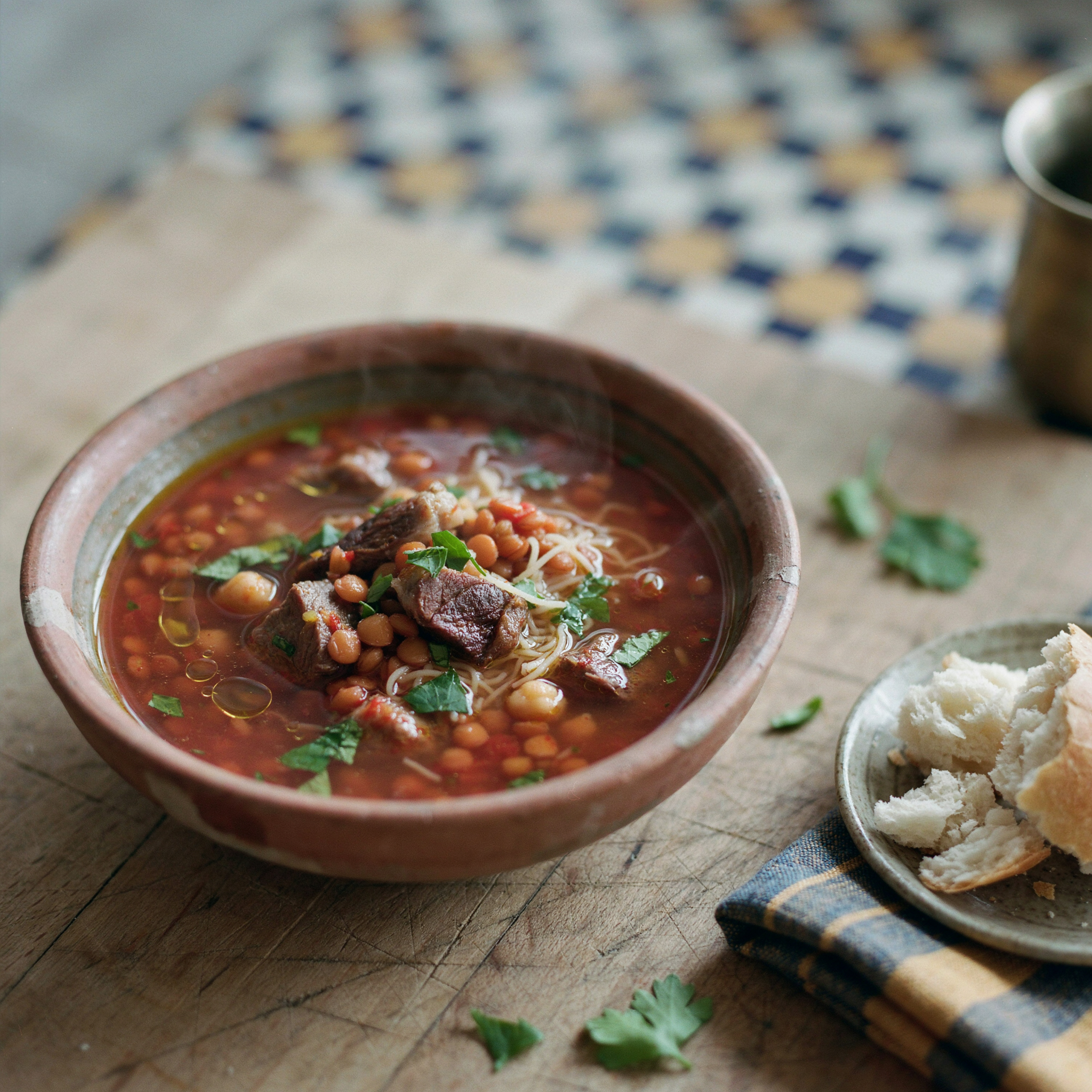
    Harira is a Moroccan soup built from tomatoes, lentils, chickpeas, herbs and spices, often thickened with flour or finished with fine vermicelli. Some versions include lamb or another meat, while others are vegetarian. The texture should be hearty and silky rather than simply watery, with coriander, celery, ginger and pepper giving the broth warmth and freshness. It is commonly served with dates, bread or a squeeze of lemon, depending on the household and setting. In Marrakech, harira appears in traditional restaurants, homes, soup counters and Ramadan food stalls. It can be an opening course, a light meal or part of a larger spread. The recipe is strongly associated with Morocco as a whole, not only Marrakech, but the city’s evening food culture makes it easy to encounter. Ask whether the bowl is meat-based and how thick the kitchen serves it. The soup can be thick enough to eat slowly with a spoon, making it more substantial than a clear broth.

    • Iconic
    • Street food

    MAD 5–MAD 15 approx.

    0votes — sign in to vote
  • Sfenj

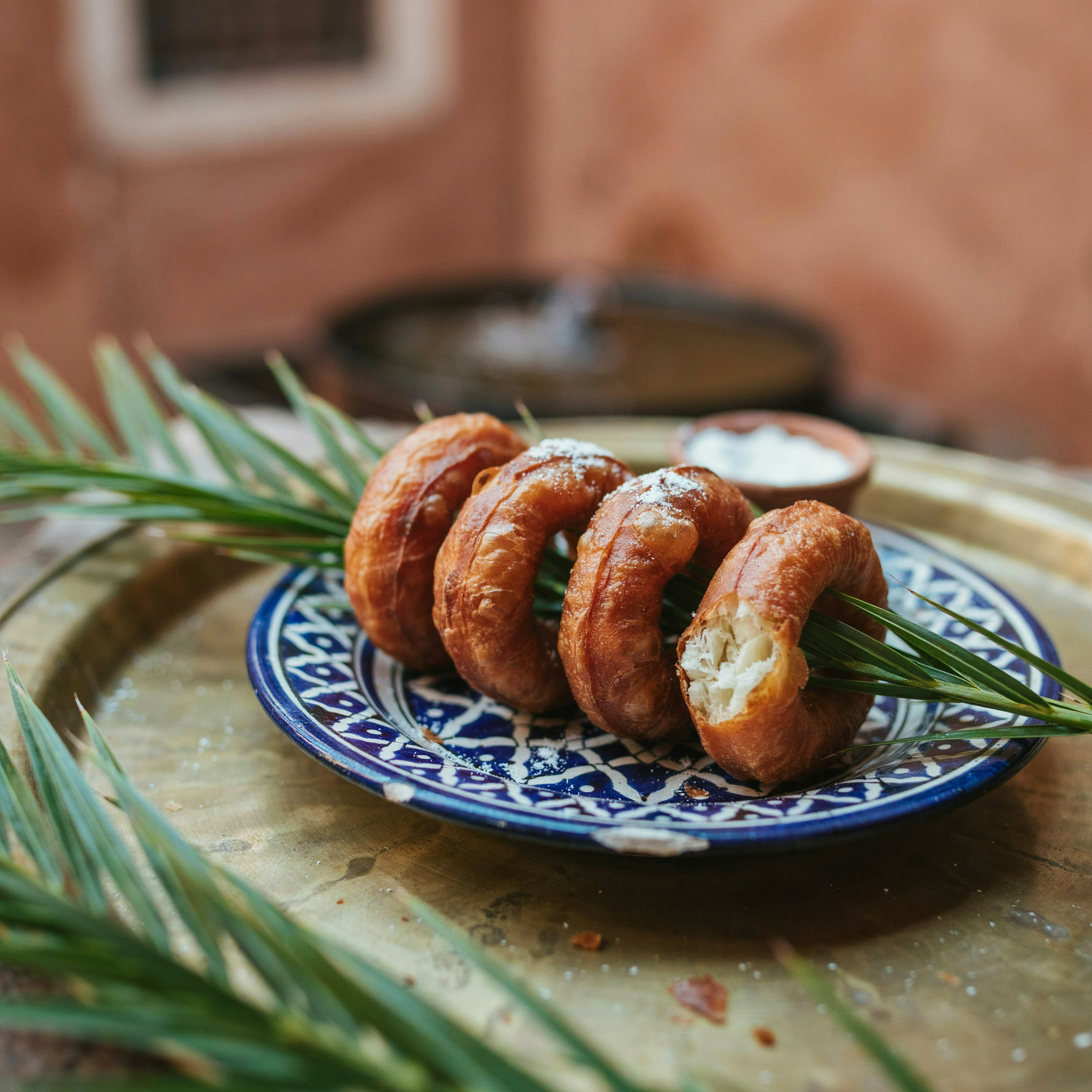
    These rustic, ring-shaped Moroccan donuts are fried in large bubbling vats of hot oil until they puff up with a crispy exterior and airy, chewy interior. They are traditionally sold threaded onto a palm frond for easy carrying.

    • Iconic
    • Street food
    • Vegan
    • Sweet

    MAD 2–MAD 5 approx.

    0votes — sign in to vote
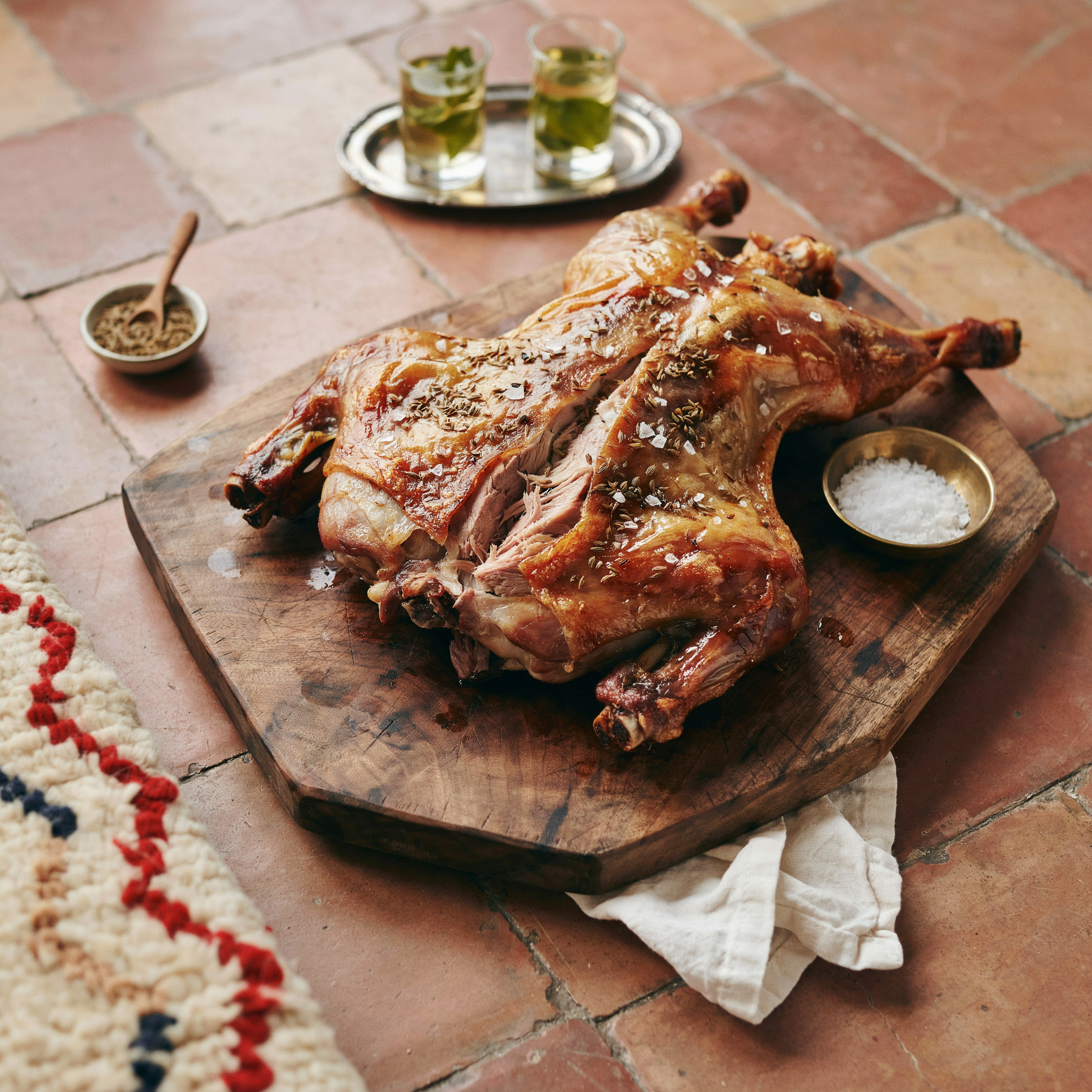
  • Méchoui

    This celebrated specialty consists of whole lamb roasted slowly in deep underground pit ovens until the meat becomes tender enough to pull apart with your fingers. It is typically served simply seasoned with coarse salt and cumin.

    • Iconic
    • Street food

    MAD 80–MAD 180 approx.

    0votes — sign in to vote
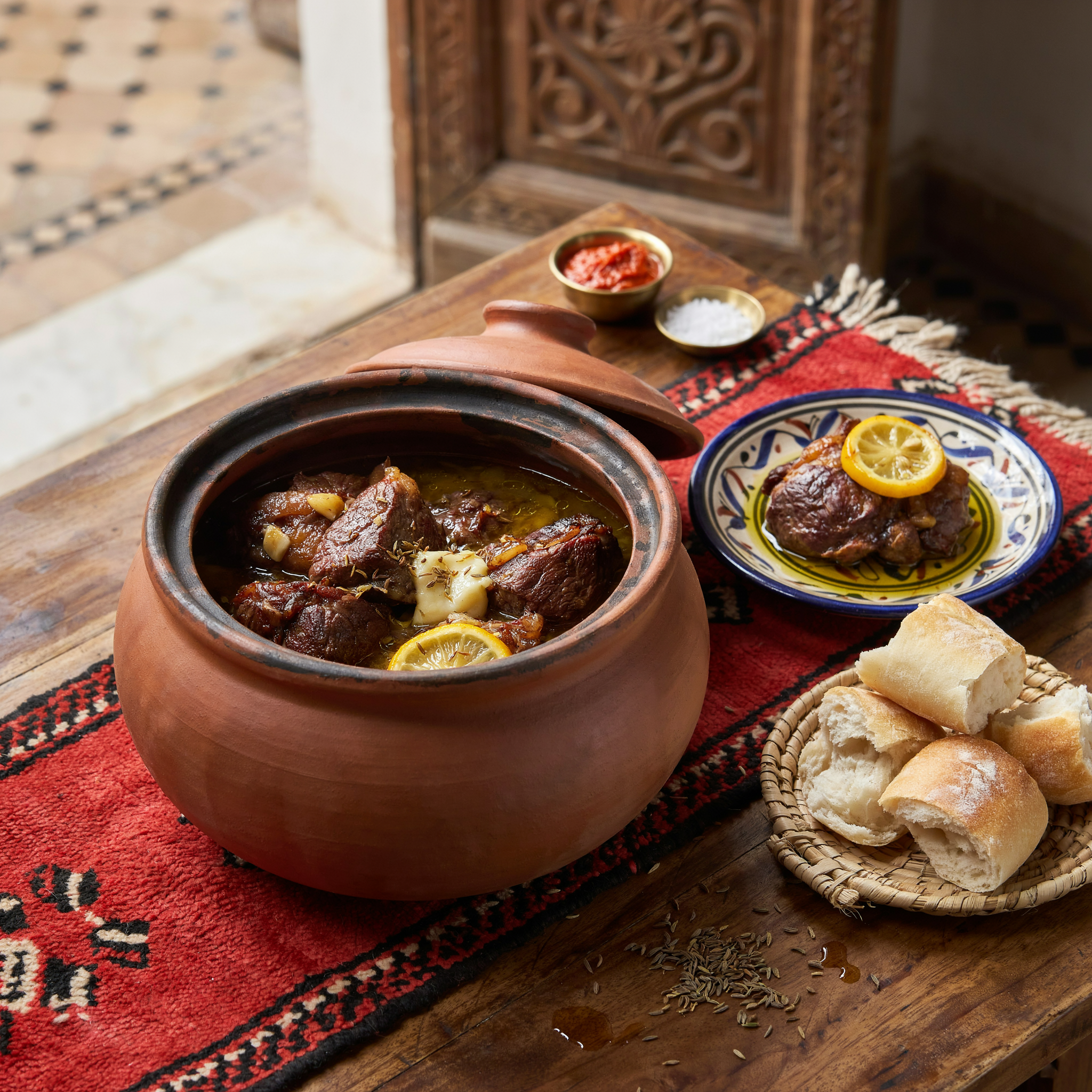
  • Tanjia Marrakchia

    Tanjia Marrakchia is a slow-cooked Marrakech meat dish prepared in a tall clay vessel called a tanjia. Beef, lamb or another suitable cut is seasoned with ingredients such as preserved lemon, garlic, saffron, cumin, butter or smen, then sealed and cooked for hours until the meat is tender enough to pull apart. The result is not a saucy tagine with layers of vegetables; it is a concentrated preparation in which the meat and aromatic cooking juices do most of the work. The dish is strongly associated with Marrakech and is often cooked slowly in the embers of a communal furnace, traditionally linked with neighborhood hammams or other local cooking arrangements. Practices vary, and not every modern restaurant follows the same method, but the vessel and long cooking time remain central to its identity. Tanjia is usually served as a shared main course with bread and simple accompaniments. For travelers, its distinctive character is the slow, sealed cooking rather than a large list of ingredients.

    • Iconic
    • Street food

    MAD 60–MAD 120 approx.

    0votes — sign in to vote

Prices are approximate and editorial. Always check locally before ordering.