Explore destinations
Every destination page lists the local dishes worth planning a meal around, with approximate prices.
Amsterdam
Netherlands
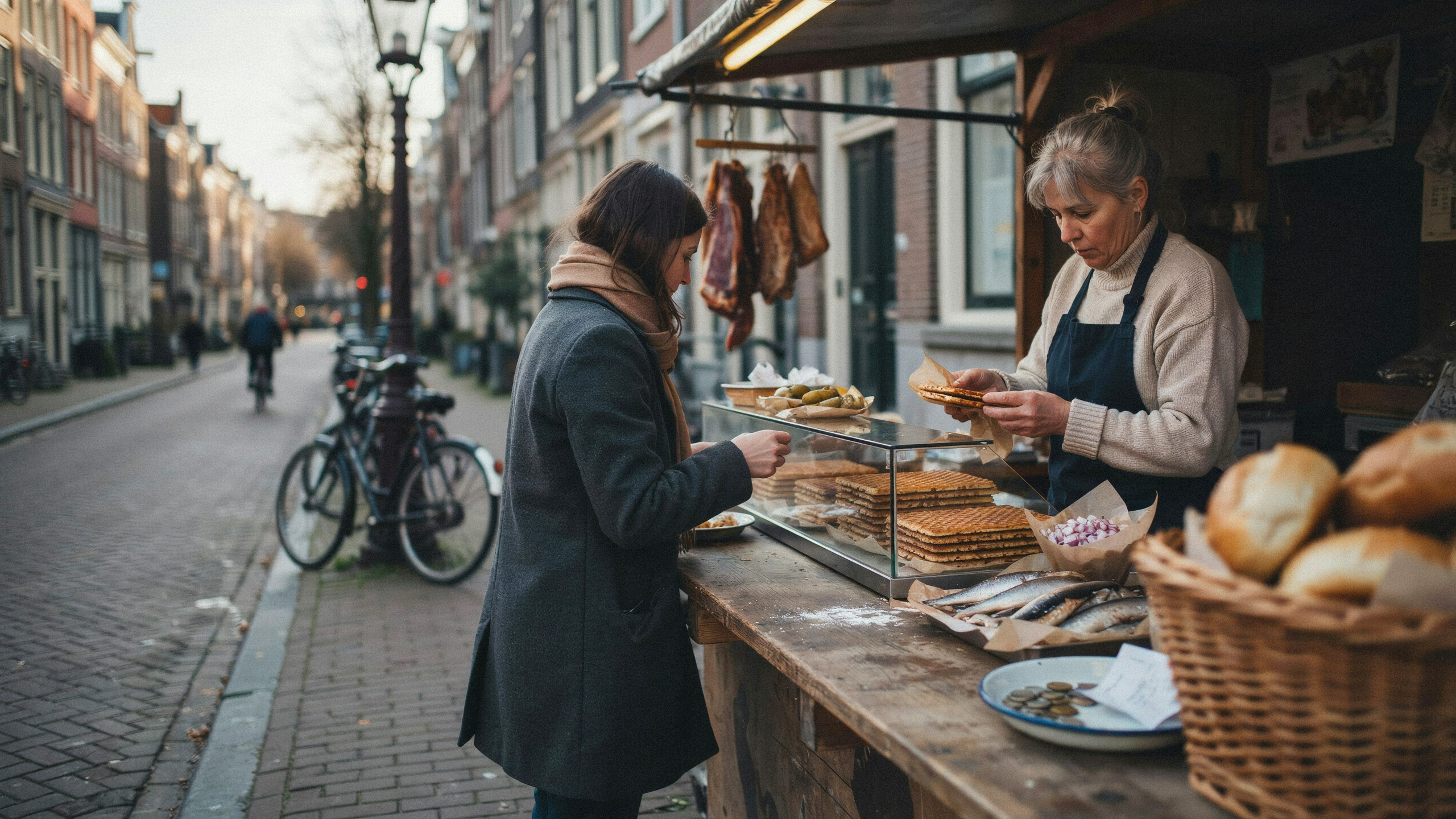
Amsterdam’s food culture is shaped by canals, trade, immigration and a strong everyday habit of eating simply but well. Dutch classics include cured herring, fried fish, croquettes, pea soup and hearty mashed-potato dishes, while bakeries and market stalls add waffles, small pancakes and seasonal sweets. The city’s international neighborhoods are part of this story too, but its local dishes are best understood through the casual places where residents stop for a snack, lunch or a drink. For a first visit, mix foods eaten in different settings: try herring or kibbeling at a market, bitterballen with a drink, and a warm stroopwafel or poffertjes as a sweet break. Stamppot and erwtensoep are more weather-dependent, while oliebollen are strongly associated with the winter season. Amsterdam is easy to explore by small bites, so look for steady local turnover, ask what is seasonal and check menus for allergens, especially with fish and meat-based snacks.
Athens
Greece
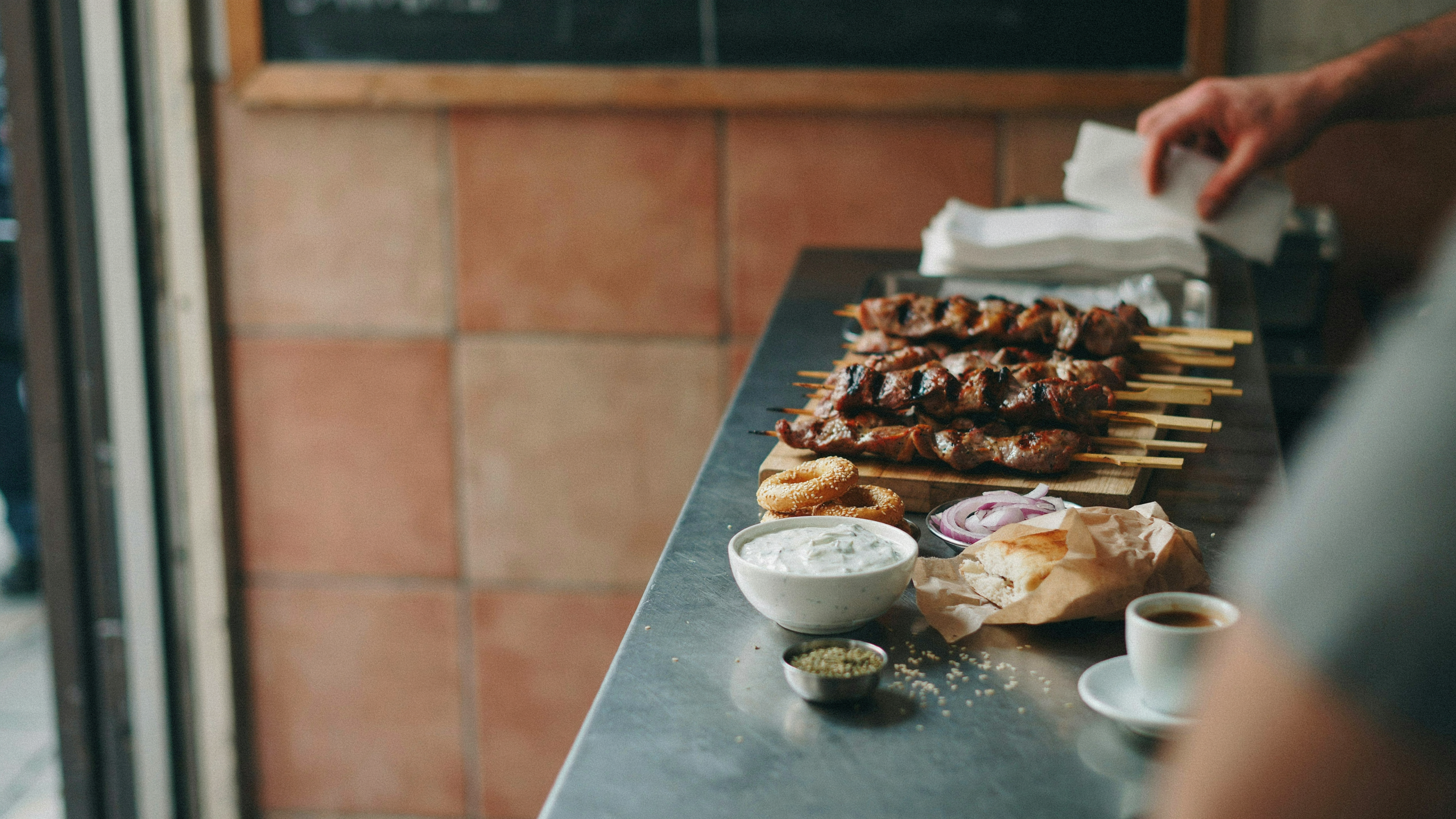
Athens is a city where everyday eating moves easily between bakery breakfasts, charcoal-grilled meat, shared plates and long café stops. Olive oil, lemon, herbs, feta, pulses and seasonal vegetables shape much of the cooking, while souvlaki, gyros and pastries make quick meals easy to find. The food is not only ancient tradition or seaside taverna fare: neighborhood bakeries, markets, tavernas and modern kitchens all contribute to the way Athenians eat now. For a first visit, combine familiar dishes with foods that show the wider table. Try souvlaki or gyros for a quick meal, order a Greek salad and dips to share, and look for moussaka, beans or stuffed vegetables when you want something more substantial. A sesame koulouri is useful breakfast food, while loukoumades or a syrupy pastry suit an afternoon stop. Menus vary by neighborhood and season, so ask what is made that day and treat prices as approximate rather than fixed.
Bangkok
Thailand
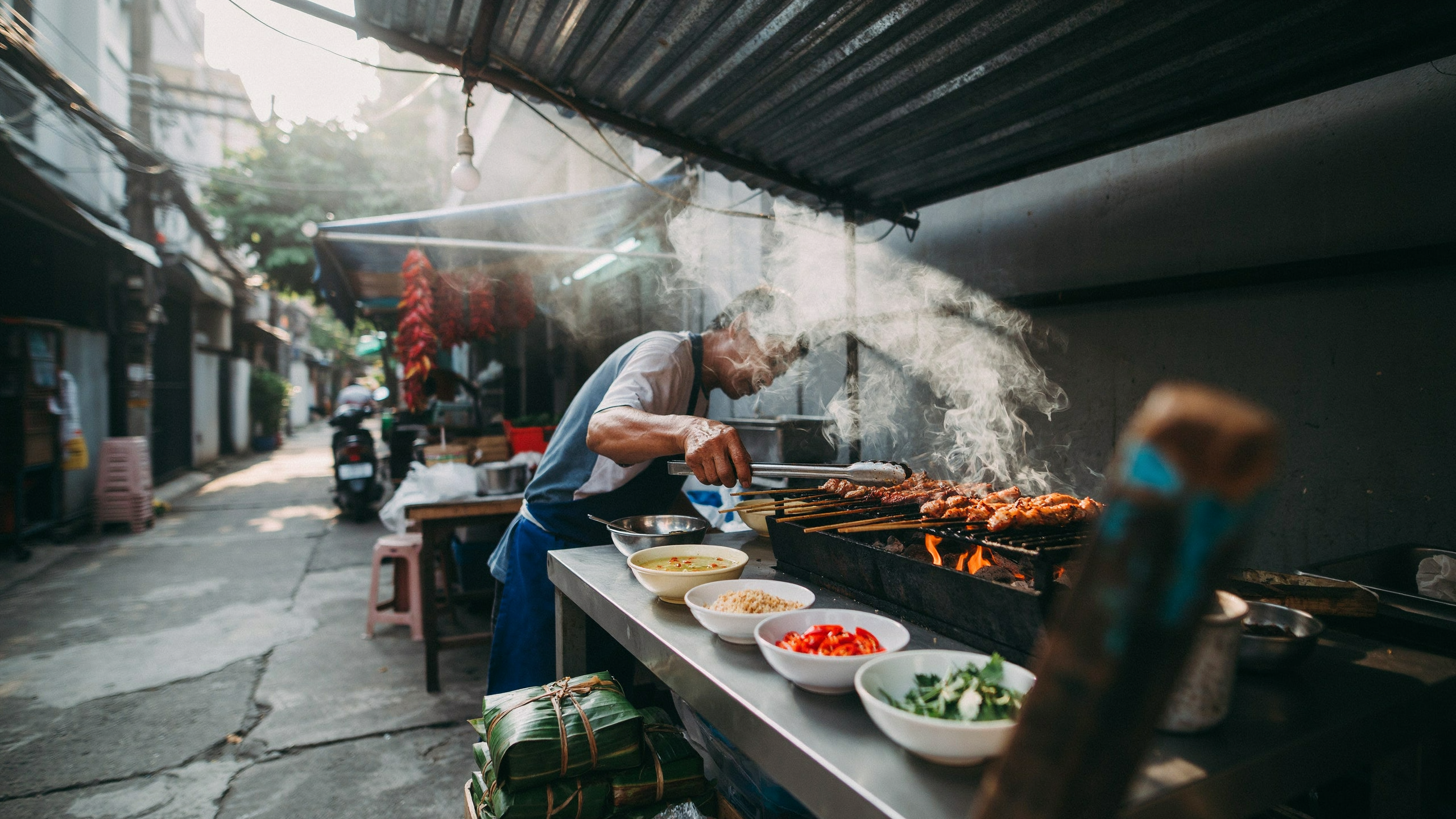
Bangkok is one of the easiest cities in the world to eat throughout the day. Breakfast porridge, grilled pork skewers and noodle soups appear alongside wok-fried rice and noodles, while fresh herbs, lime, fish sauce, chilli and fermented ingredients give even quick meals a layered balance of heat, sourness, salt and sweetness. Street stalls, market kitchens and casual shophouses are central to the experience, not just a cheaper alternative to restaurants. For a first visit, use the city’s food rhythm as a guide: try a simple rice or noodle dish early, look for charcoal-grilled snacks in the afternoon, and make time for a curry or seafood meal in the evening. Bangkok’s classics range from intensely spicy salads and soups to milder coconut-based curries and sweets, so ask about chilli when ordering and choose busy stalls with a steady local crowd. Prices vary by setting and ingredients, but the city rewards travelers who mix famous dishes with less conspicuous neighborhood specialties.
Barcelona
Spain
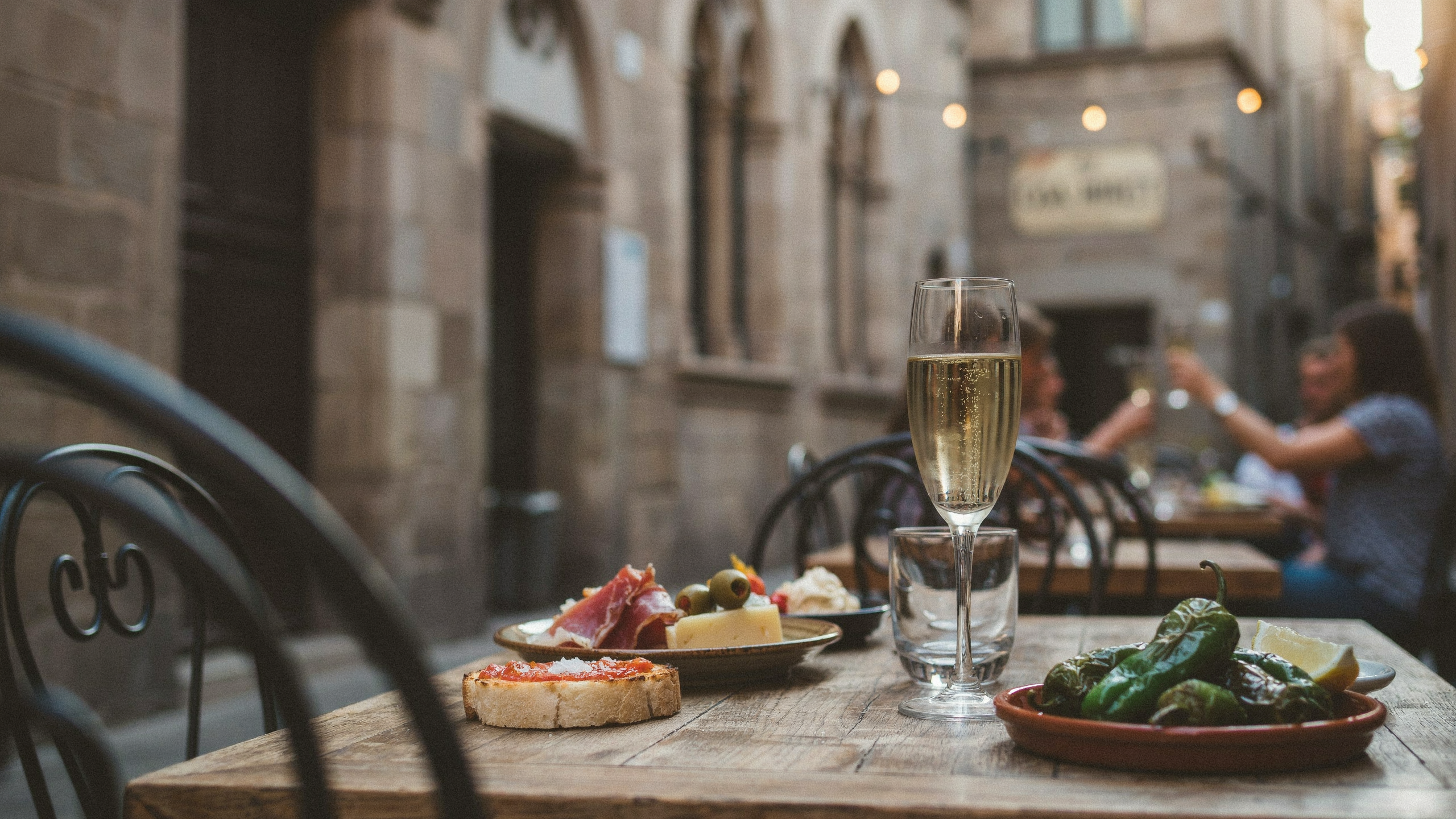
Barcelona’s food culture is distinctly Catalan, built around bread, olive oil, seasonal vegetables, seafood and the habit of turning simple ingredients into shared plates. Markets, bakeries, neighborhood bars and family-run restaurants all matter, from pa amb tomàquet at the table to grilled fish, sausages, beans and slow-cooked dishes. The city’s modern reputation sits alongside this everyday cooking rather than replacing it. For a first visit, start with foods that show how Catalan meals are assembled: rubbed tomato bread, smoky escalivada, a filling sausage-and-bean plate or a seafood stew when the catch allows. Order small portions where possible and pay attention to the sauces, picadas and olive oil that give dishes their character. Barcelona’s menus can move from casual counter food to ambitious tasting menus, but the most useful introduction is often a relaxed meal built from regional dishes and seasonal produce.
Berlin
Germany
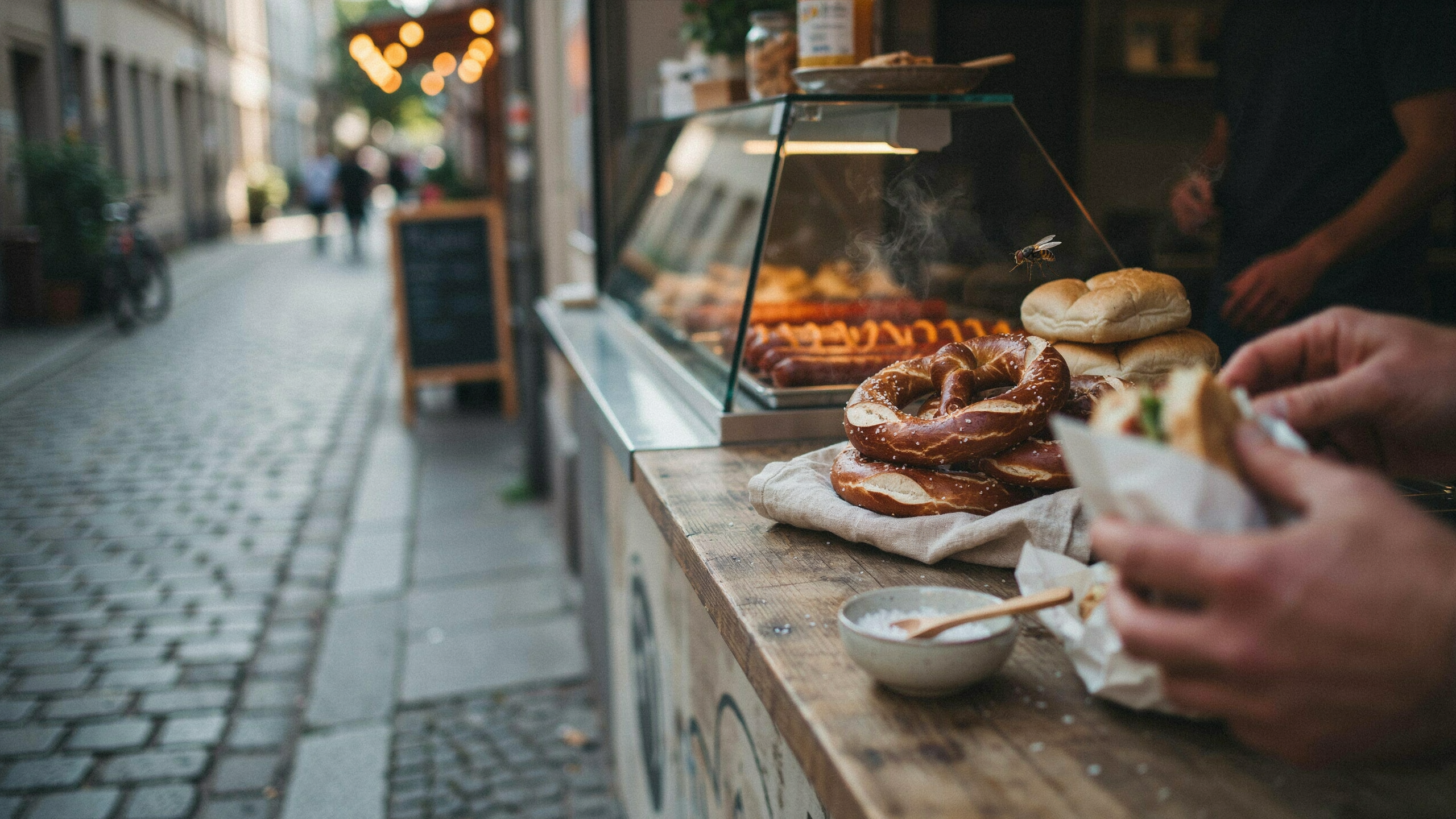
Berlin’s food culture is a record of the people who have lived in the city and the ways they have adapted everyday cooking to urban life. Traditional German dishes sit alongside Turkish, Middle Eastern, Vietnamese and many other cuisines, while bakeries, beer halls, neighborhood cafés, market stalls and modern food halls make the city easy to explore one meal at a time. Currywurst and döner are not competing definitions of Berlin; both show how portable food changes when it becomes part of a city’s daily routine. For a first visit, combine a familiar German plate with one of Berlin’s immigrant-shaped street foods. Try currywurst or a bulette, look for a good döner, and use soups, pastries and seasonal dishes to see beyond the headline snacks. Portions can be substantial, and vegetarian choices are widespread, but ingredients and sauces vary between vendors. Check the day’s menu, ask how a dish is served locally and treat prices as approximate.
Buenos Aires
Argentina
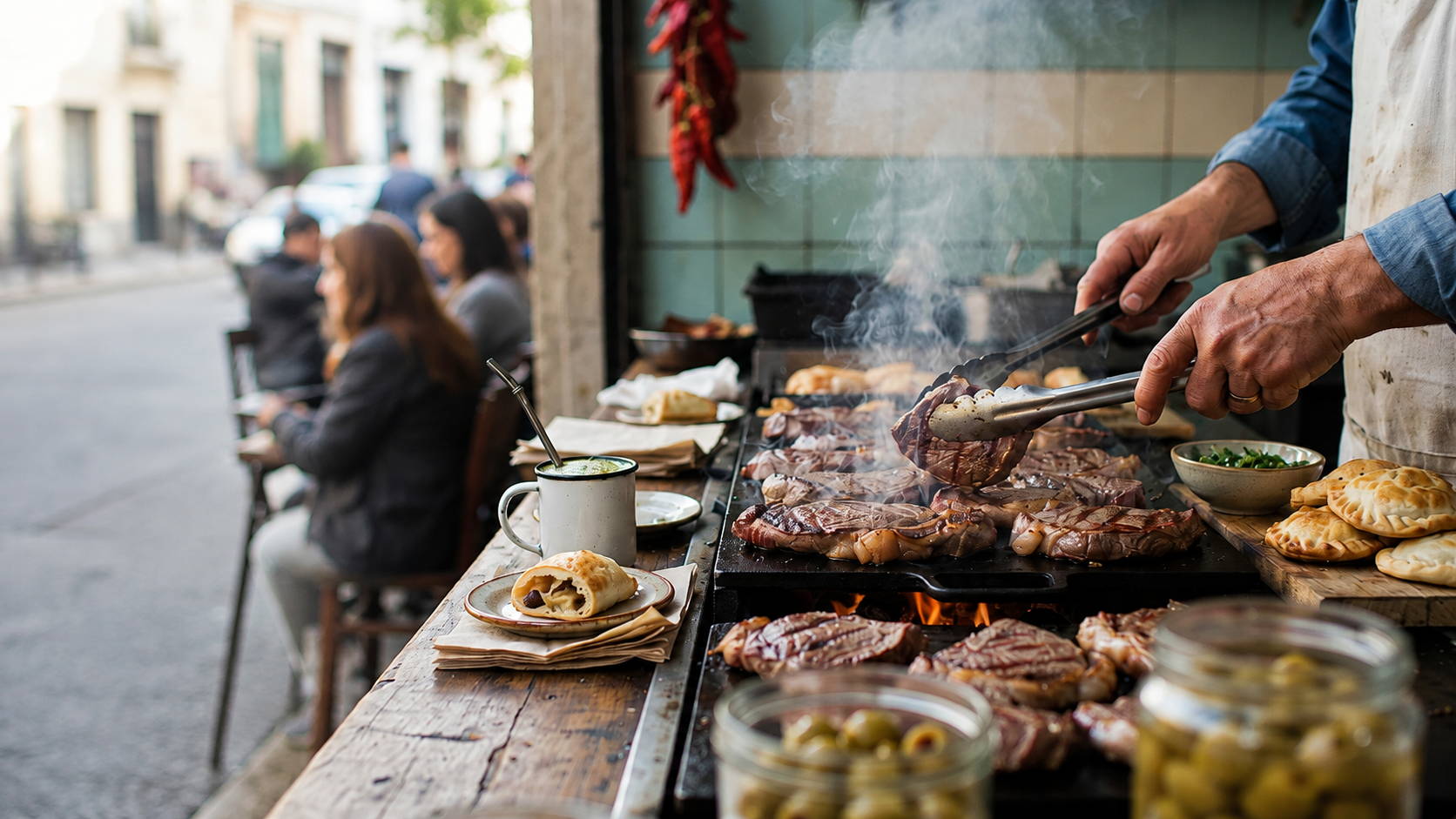
Buenos Aires is a city where beef, bread, pasta and pastries meet the social rhythm of cafés, parrillas and late dinners. Argentine cooking carries strong Italian and Spanish influence, but the city has made those traditions its own: a neighborhood grill can be as important as a formal steakhouse, while pizza, empanadas and sandwiches suit quick meals between long stretches of conversation. The result is a food culture that feels generous and familiar without being simple. For a first visit, plan around different settings rather than ordering one large meal every time. Share provoleta or empanadas, try choripán from a grill, sit down for asado when you have time, and leave room for alfajores or a slice of fugazzeta. Ask about cuts and cooking times at a parrilla, use chimichurri sparingly at first and remember that dinner often begins later than visitors expect. Menus and prices vary by neighborhood, so use the listed ranges as a guide.
Cairo
Egypt
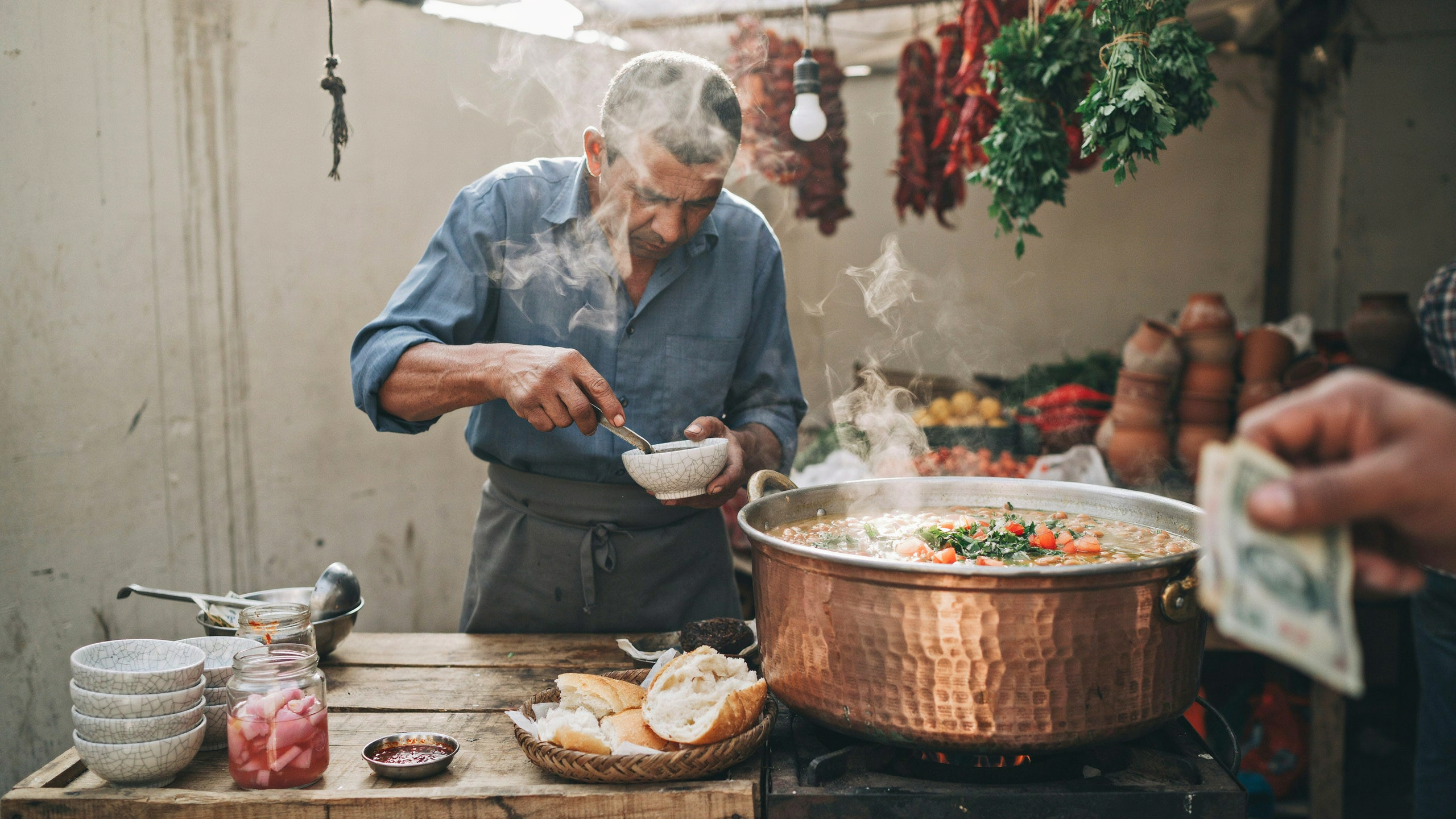
Cairo’s food culture is shaped by pulses, bread, rice, grilled meats, pickles and the practical energy of street and neighborhood cooking. Ful, koshary, ta’ameya and stews make inexpensive ingredients satisfying, while tea, sweets and grilled foods create a rhythm of small stops between larger meals. The city’s food is social and direct: sauces, condiments and bread often matter as much as the central dish. For a first visit, try one filling street-food meal, one bean or lentil-based dish and one grilled or slow-cooked plate. Ask about spice, raw garnishes and serving size, and choose busy counters where food is turning over quickly. Cairo’s dishes are often assembled to order, so watching the final additions can help you understand how the flavors are meant to work together.
Chicago
United States
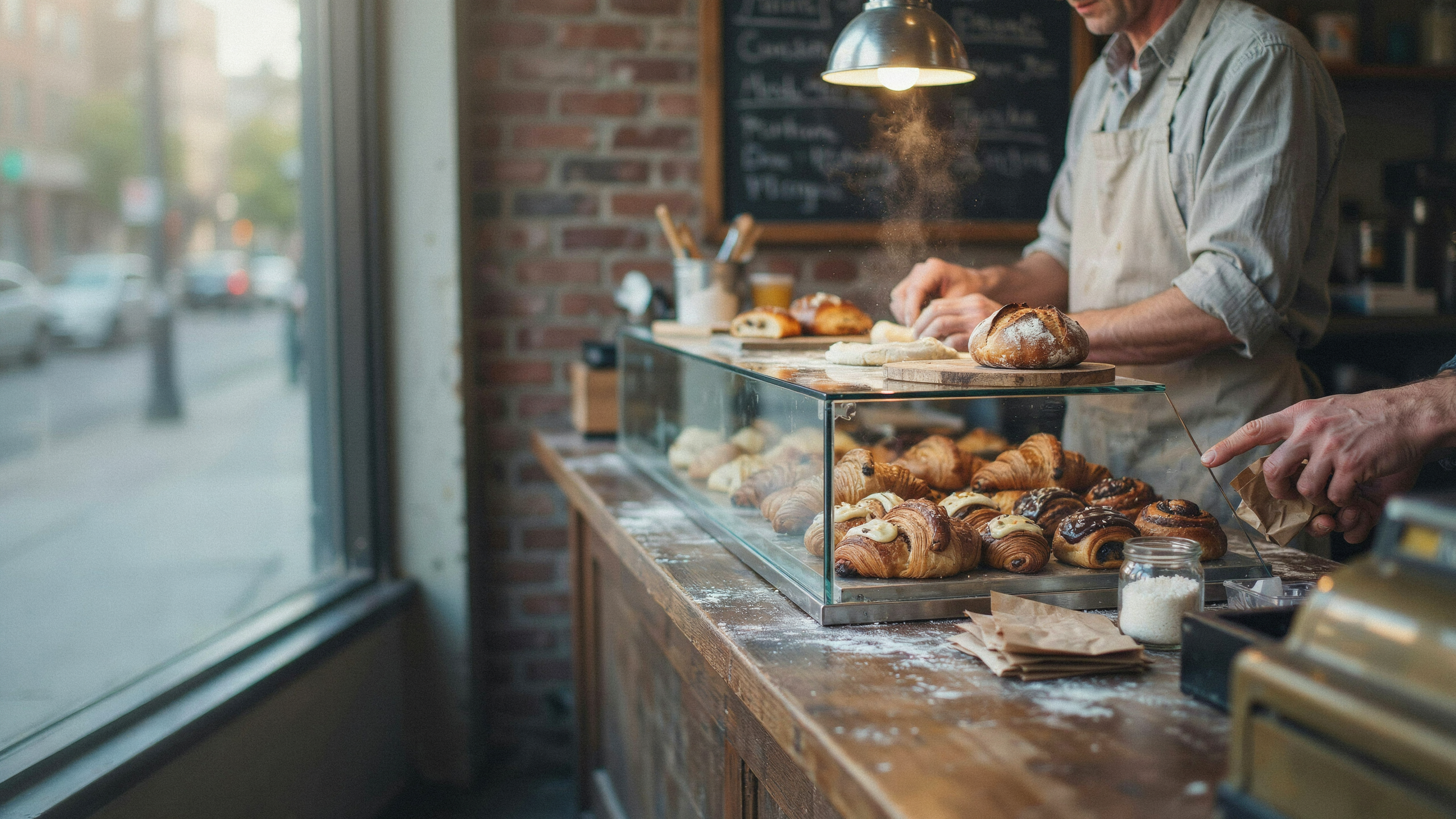
Chicago’s food culture is built around sturdy, highly specific comfort foods and the immigrant communities that made them part of city life. Deep-dish and tavern-style pizza, Italian beef, hot dogs, rib tips and Polish sausage each belong to a different eating setting, from neighborhood taverns and counter-service stands to old market districts and barbecue shops. The city’s food identity is not one single dish but a collection of traditions shaped by working-class cooking, migration and local habits. For a first visit, pace yourself: a deep-dish pie takes time and is best shared, while a hot dog, Italian beef or Maxwell Street Polish works as a quicker meal. Try tavern-style pizza if you want the everyday local format, and ask how to order an Italian beef dipped, dry or with giardiniera. Chicago portions are often generous, so sharing is practical, and prices vary between neighborhood counters and destination restaurants.
Copenhagen
Denmark
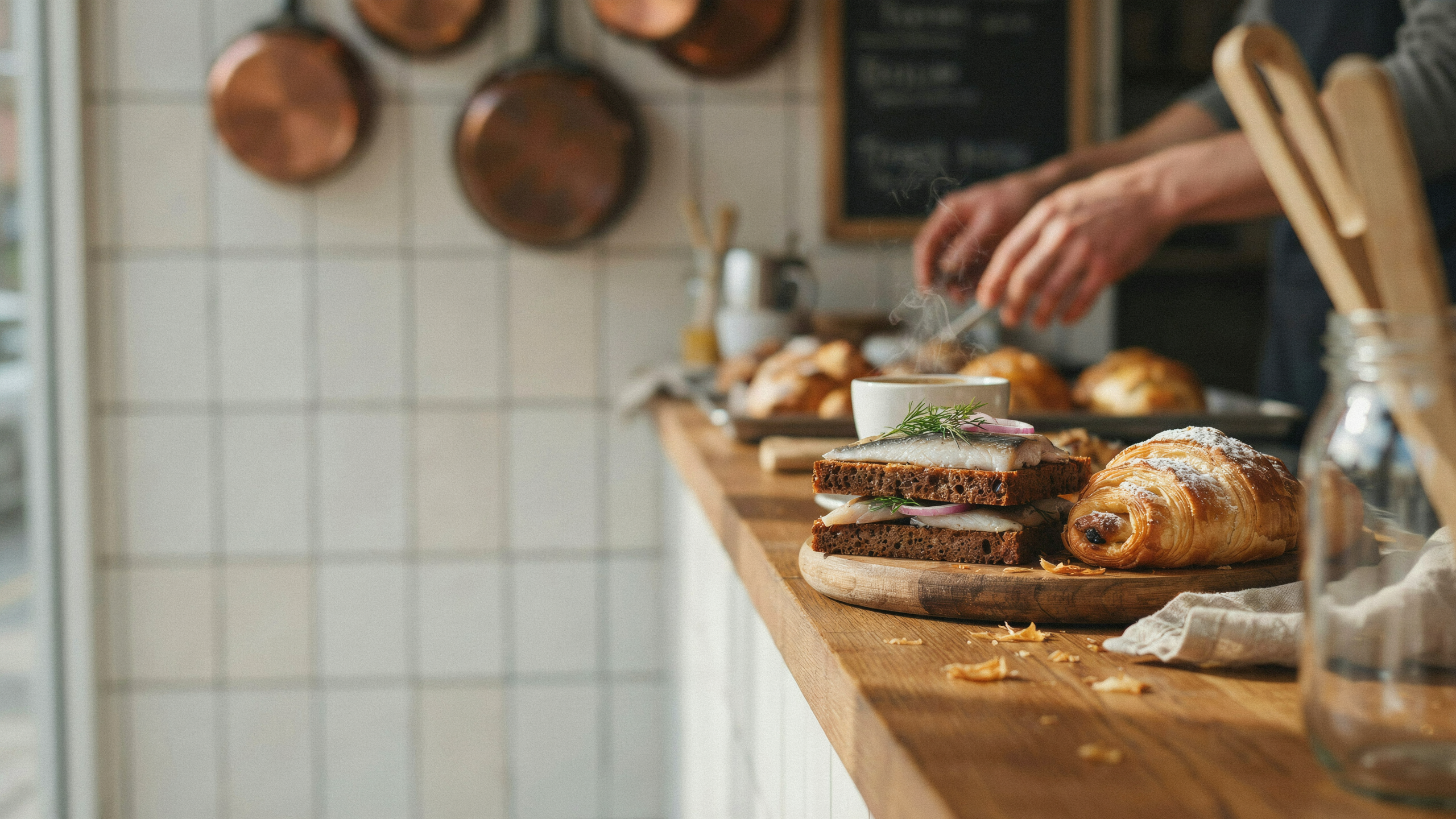
Copenhagen’s food culture moves between open-faced rye-bread lunches, bakery counters, hot-dog stands, seasonal home cooking and the precise, ingredient-led restaurants that made New Nordic cuisine internationally visible. Pickled fish, smoked pork, dairy, berries, herbs and sturdy breads remain part of the everyday vocabulary, while markets and food halls make it easy to eat casually. The city’s food identity is not limited to fine dining; it also lives in the practical meals people eat between work, school and social plans. For a first visit, try smørrebrød at lunch, choose a pastry from a good bakery and look for a pølsevogn or casual counter for a hot dog. Seasonal dishes such as koldskål and æbleskiver appear at particular times of year, while frikadeller and stegt flæsk show the heartier side of Danish cooking. Ask how toppings are arranged, pace yourself with rich foods and use prices as a guide because Copenhagen’s restaurant settings vary widely.
Dubai
United Arab Emirates
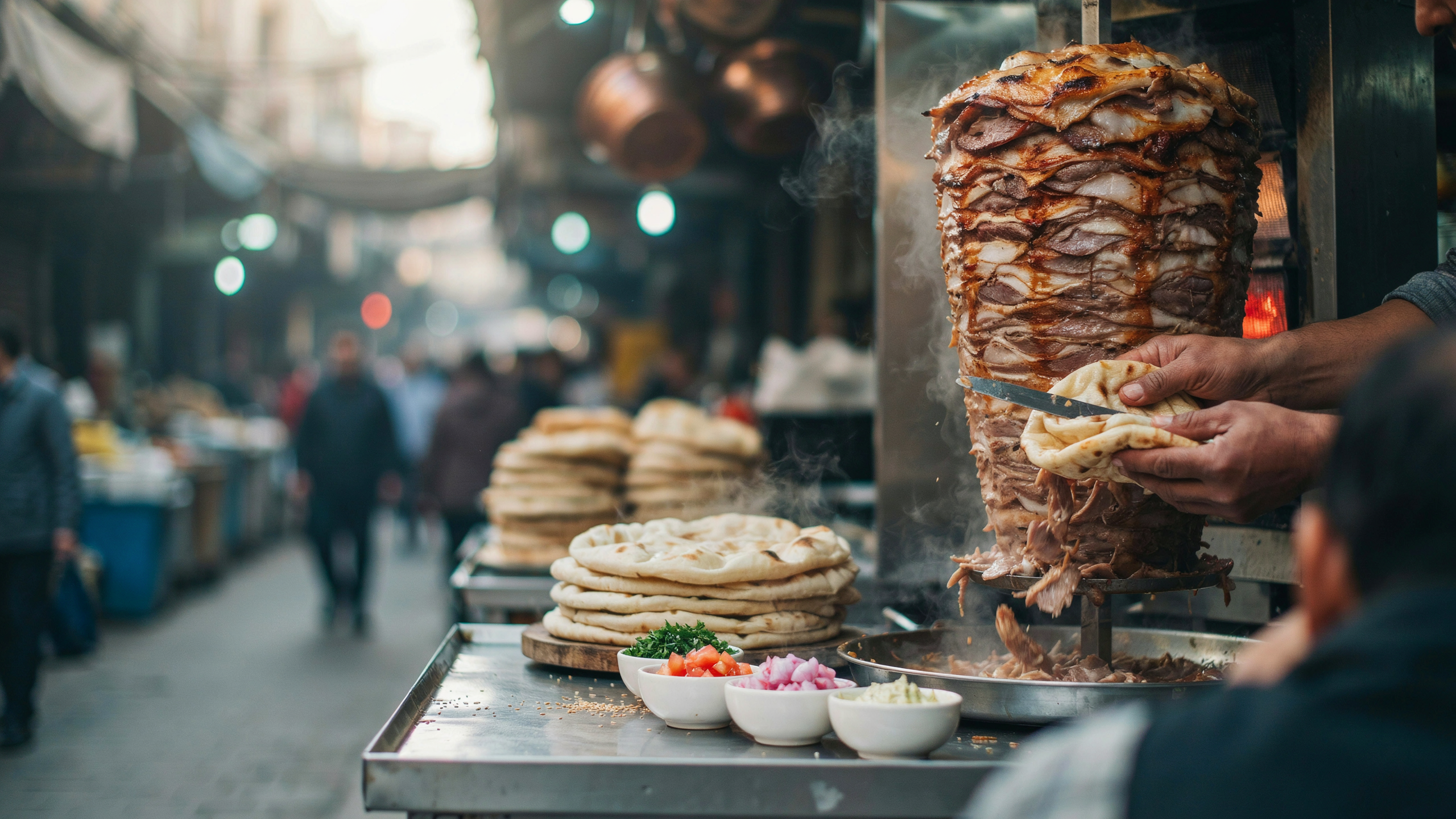
Dubai’s food culture is shaped by Emirati cooking, Gulf ingredients and the communities that have made the city home. Traditional dishes such as machboos, harees, thareed, saloona and luqaimat sit alongside South Asian, Persian, Levantine and East African food found across the city. That range is part of Dubai’s identity: a visitor can eat Emirati dishes in a heritage restaurant, pick up shawarma in Deira, visit a South Asian cafeteria in Bur Dubai or explore contemporary menus in newer neighborhoods. For a useful first food day, combine one traditional meal with the city’s everyday casual food. Look for rice dishes, slow-cooked meat, flatbreads, dates and cardamom-scented sweets, then compare how they appear in family-style restaurants, markets and cafés. Emirati food is often associated with hospitality and sharing, so portions may be designed for a group rather than one diner. Dubai’s restaurant scene changes quickly and prices vary sharply by neighborhood, so check menus before ordering and ask whether a dish is genuinely Emirati or a broader regional specialty.

Istanbul
Türkiye
Istanbul’s food culture reflects its position between the Bosphorus, Anatolia and the wider cuisines of the former Ottoman world. Breakfast spreads, grilled meats, filled breads, meze, fish, sweets and strong coffee all have a place, and the city’s best everyday meals may happen at a bakery, lokanta, kebab counter or ferry-side stall rather than a formal restaurant. Build a first food day around contrasts: start with simit or a fuller breakfast, try a grilled or stuffed dish for lunch, and share meze or seafood later. Regional labels matter, portions can be generous and menus may use Turkish names without much explanation, so ask what is made fresh and whether a dish is spicy, offal-based or intended for sharing. Prices vary considerably between neighborhoods and views, so check before ordering.
Kyoto
Japan
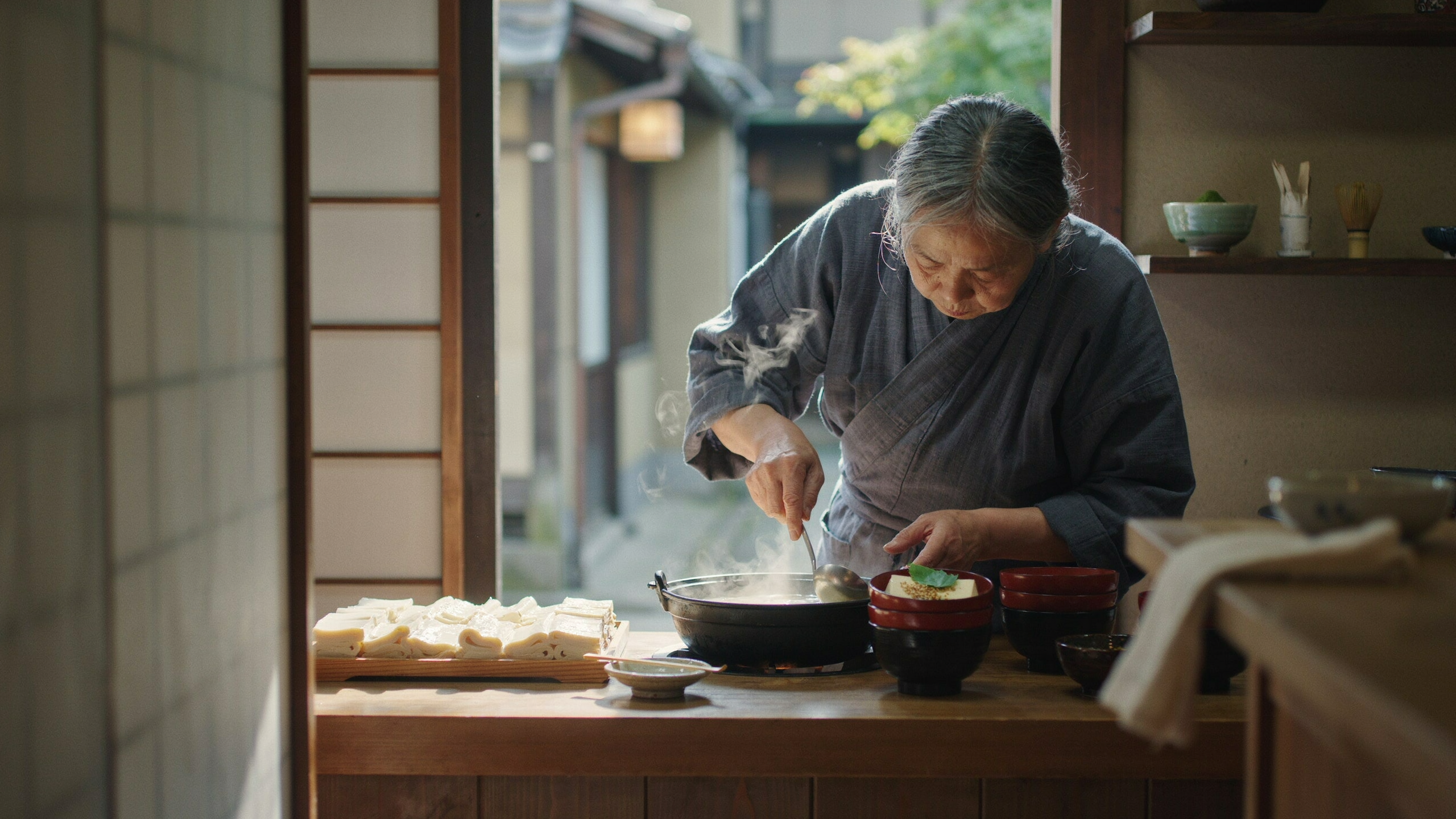
Kyoto’s food culture is closely tied to seasonality, craft and the city’s history as Japan’s imperial capital. Kaiseki presents carefully sequenced courses, but Kyoto eating is not limited to formal dining: tofu and yuba shops, soba counters, pickles, sweets, tea houses and small neighborhood restaurants all show how local ingredients are handled with precision. Dashi, rice, fermented vegetables, river and lake fish, and Buddhist vegetarian cooking give the city a food identity that feels quieter and more composed than the louder street-food centers. For a first visit, choose meals in different settings. Try a bowl of noodles, sample Kyoto pickles or yuba, and leave time for a seasonal sweet or tea. Kaiseki requires more time and planning than a casual lunch, while dishes such as nishin soba offer a simpler entry into local flavors. Ask what is seasonal, note that some traditional restaurants require reservations, and check menus carefully if you need meat, seafood or alcohol-free choices.
Lisbon
Portugal
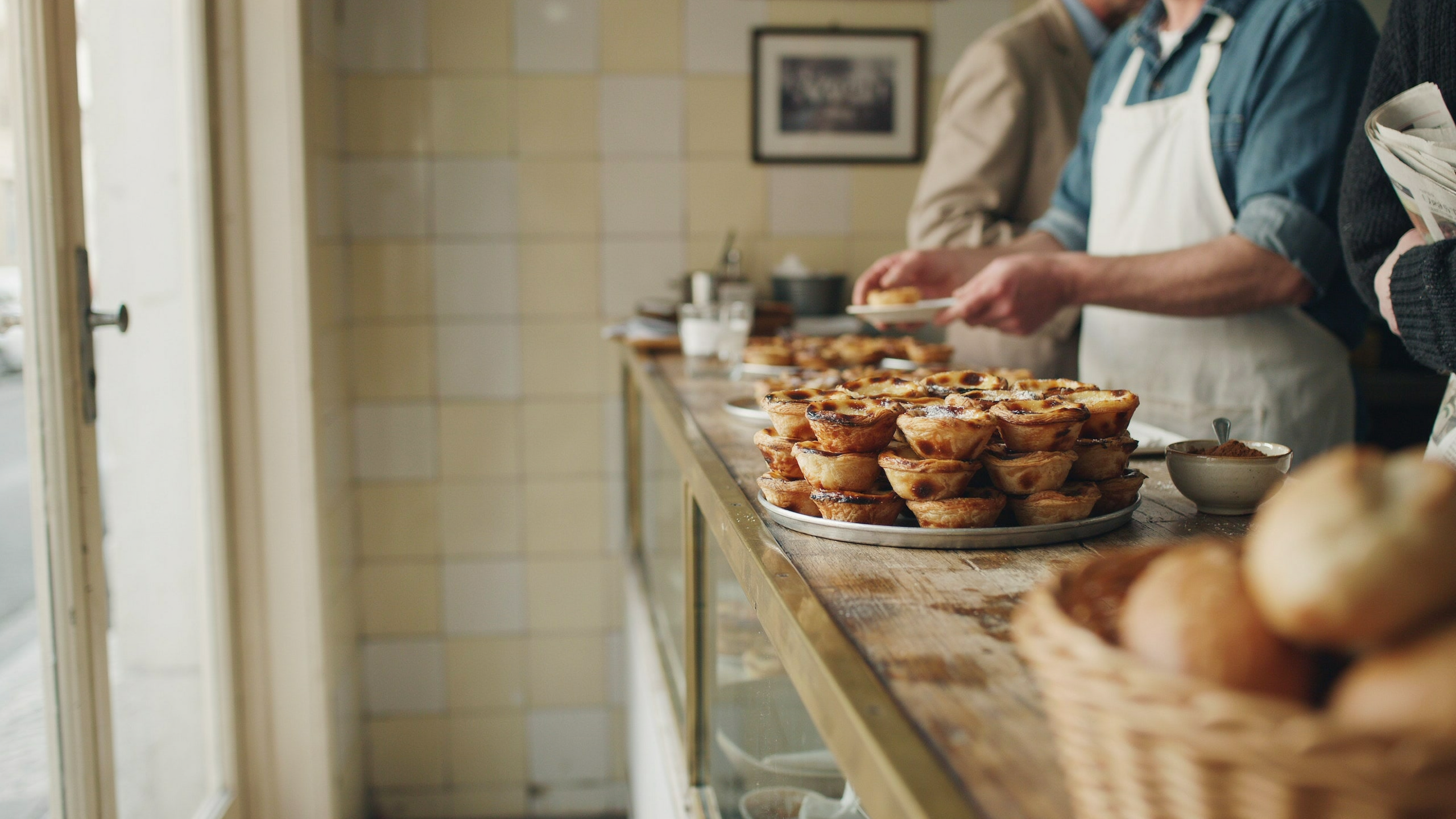
Lisbon’s food culture is shaped by the Atlantic, the city’s neighborhood taverns and a long habit of making generous meals from affordable ingredients. Salt cod appears in many forms, grilled sardines bring the smell of charcoal to summer streets, and soups, stews, sandwiches and pastries fill the gaps between meals. A bakery breakfast, a counter-service lunch and a late petisco can all feel distinctly Portuguese while still reflecting Lisbon’s varied history and immigrant neighborhoods. For a first visit, follow that everyday rhythm rather than treating Lisbon as a checklist of famous dishes. Try a pastel de nata warm from a bakery, order a bifana or prego when you want something quick, and look for seafood or bacalhau in a traditional tasca. Ginjinha is a small after-meal stop, not a substitute for dinner, while dishes such as caldo verde and arroz de marisco show how much Portuguese cooking depends on broth, olive oil and the quality of the main ingredient. Prices vary widely by neighborhood and setting, so use the listed ranges as a guide and check the menu before ordering.

London
United Kingdom
London is easiest to understand through its food traditions and the communities that have shaped its everyday eating. Start with a pub lunch such as pie and mash or a Sunday roast, then compare that with South Asian cooking around Brick Lane and the changing stalls at markets such as Borough Market. Fish and chips and a full English breakfast are familiar choices, but they are only one part of the city’s food story. For a short visit, choose one meal by setting: a pub for a sit-down British classic, a market for a flexible lunch, or a neighborhood restaurant for a cuisine tied to London’s many communities. Check current market days and opening hours before going; stalls and schedules vary. Use the dish pages below to learn what each food is and what to look for when ordering.
Marrakech
Morocco
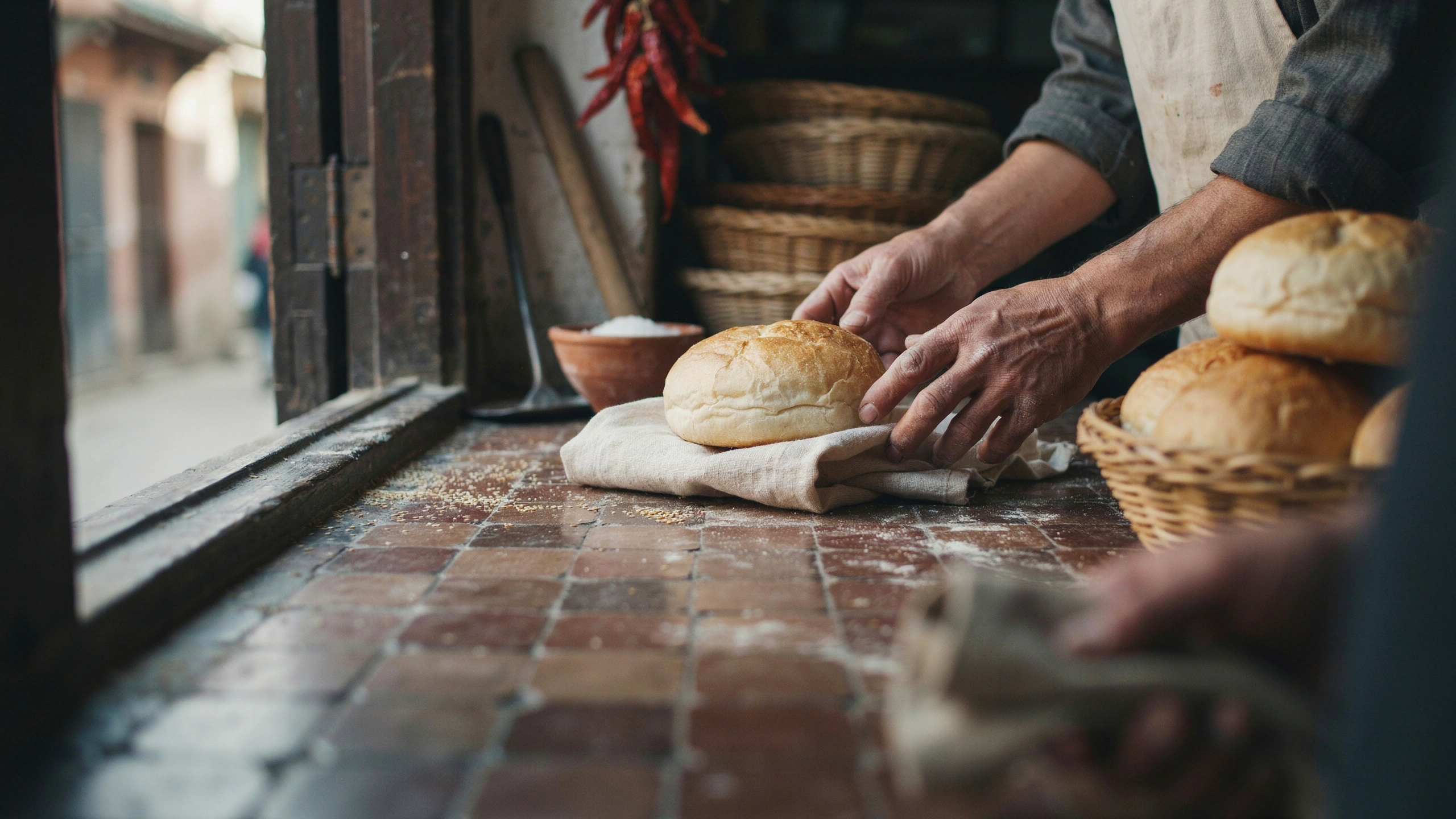
Marrakech’s food culture is built around slow cooking, fragrant spices, fresh herbs, preserved ingredients and the social life of markets, riads and neighborhood cafés. Tagines, couscous, harira, tanjia, pastilla, grilled meats and breads show different sides of Moroccan cooking, while mint tea and sweets shape the pauses between meals. The city’s famous food square is part of the experience, but it is only one setting: bakeries, small soup counters, family restaurants and riad kitchens reveal a wider everyday food culture. Visitors should explore by format as well as by dish. Share a tagine or couscous when you have time to sit down, try harira or msemmen as a more casual introduction, and look for seasonal salads, olives and bread on the table. Marrakech food is often communal, with dishes placed in the center and eaten with bread, although utensils are readily available. Menus and prices can vary between tourist areas and local neighborhoods, so ask what is fresh, confirm the price before ordering and be cautious with raw garnishes if you have a sensitive stomach.

Paris
France
Paris’s everyday food rhythm gives visitors a useful way to explore the city: a bakery breakfast, a market or café lunch, then a longer evening meal. For a quick lunch, look for a croque-monsieur; a neighborhood bistro is a natural setting for steak frites or soupe à l’oignon; bakeries and pâtisseries are the place to compare breads and pastries. These are different kinds of stops, so one restaurant is unlikely to show the whole picture. Build a day around two or three of them instead of chasing a single “best” meal: choose a bakery in the morning, a simple lunch near the area you are visiting, and a bistro or brasserie for dinner. If a menu names a regional dish or a house specialty, ask how it is served; recipes and portions vary by restaurant. The food pages below explain the dishes and help you recognize them on a menu.
Reykjavík
Iceland
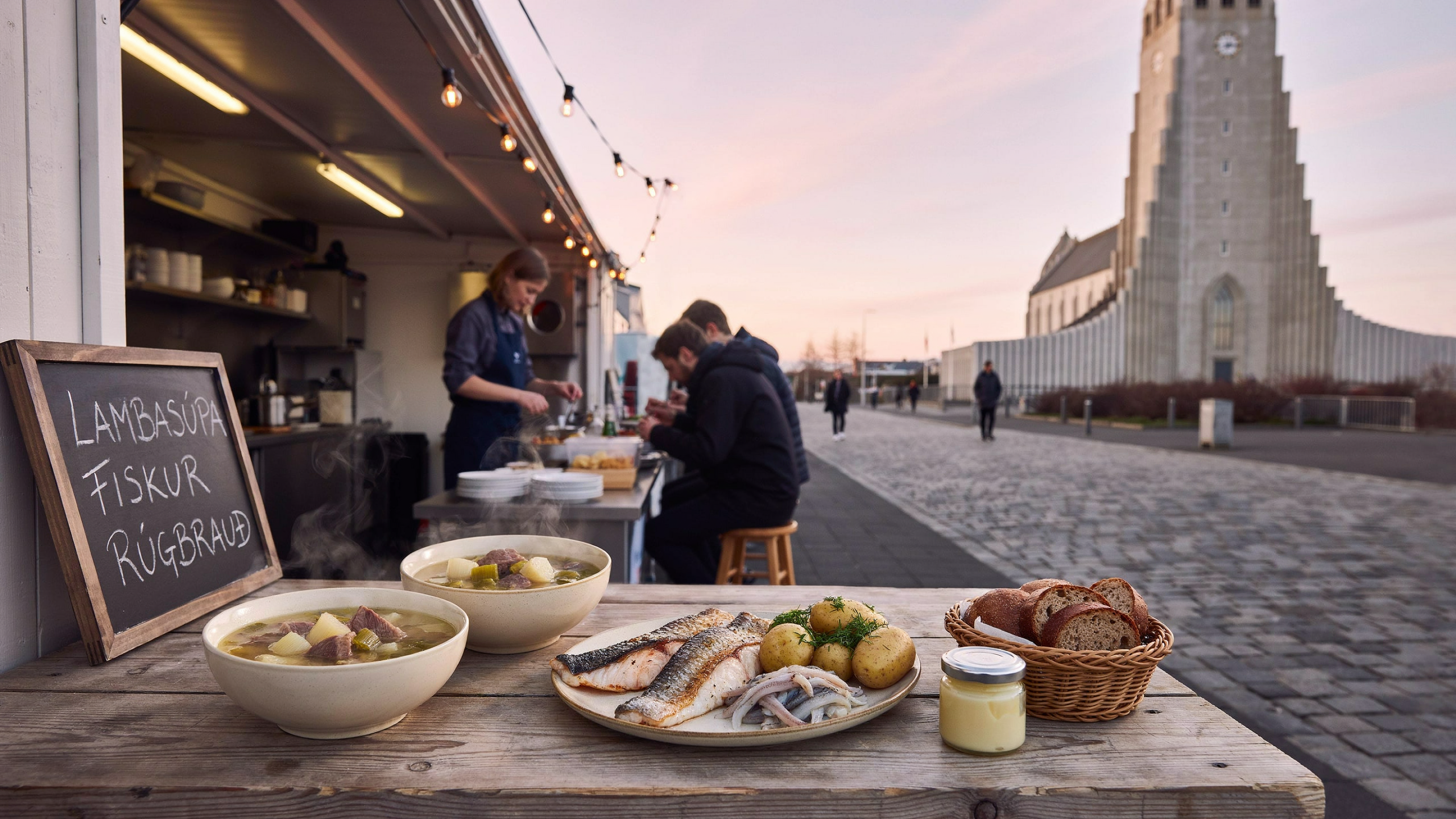
Reykjavík’s food culture is shaped by a North Atlantic climate, a history of preserving food and a modern interest in making the most of local ingredients. Lamb, cod, rye bread, dairy and root vegetables appear in hearty everyday dishes, while smoking, drying, fermenting and pickling remain useful ways to understand the older foodways. At the same time, the city is not a museum of traditional food: bakeries, cafés, hot-dog stands, seafood counters and contemporary restaurants give visitors plenty of casual choices. For a first visit, try a pylsa from a hot-dog stand, skyr or rye bread during the day, and choose a lamb or fish dish when you want a sit-down meal. Hákarl and svið are more challenging traditional foods, while plokkfiskur and kjötsúpa offer gentler introductions to Icelandic home cooking. Prices are high and portions vary, so check menus before ordering and ask which ingredients are local or seasonal.
Rio de Janeiro
Brazil
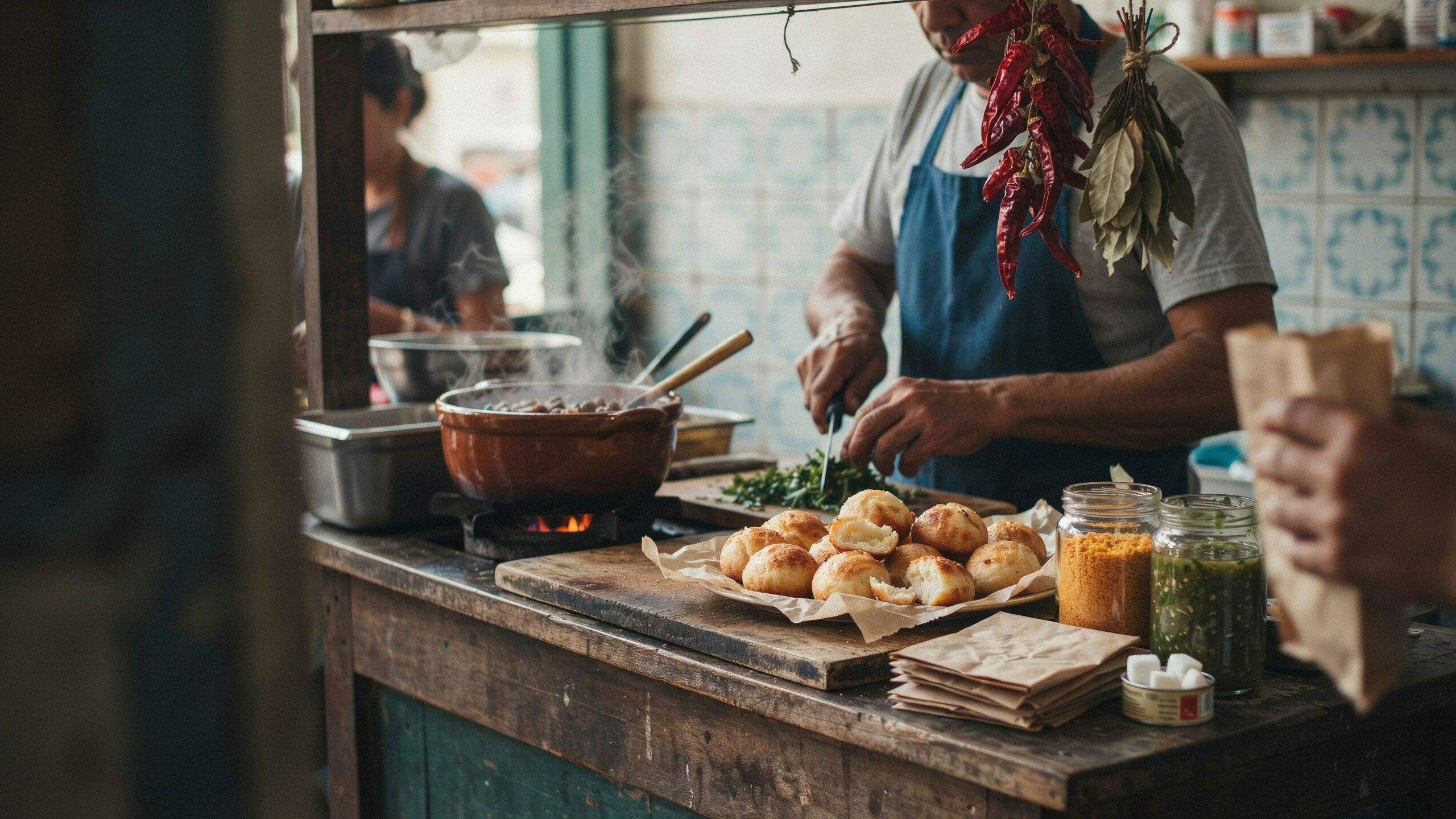
Rio de Janeiro’s food culture follows the city’s coastline, neighborhoods and long social days. Portuguese and African influences meet tropical fruit, seafood, beans, cassava and grilled meat in foods eaten at botecos, market stalls, beach kiosks and family tables. A plate of feijoada, a fried pastel or a paper bag of beach snacks can all belong to Rio’s everyday food life, while the city’s cafés and restaurants add their own regional and immigrant influences. For a first visit, try foods in different settings rather than treating Rio as a single cuisine. Share feijoada when you have time for a substantial meal, look for bolinhos or pastel at a bar or market, and try Biscoito Globo on the beach with a cold drink. Seafood and fried snacks are common, but quality and freshness vary, so choose busy stalls and check what is made to order. Prices differ by neighborhood, and beachside portions often cost more than similar food inland.
Rome
Italy
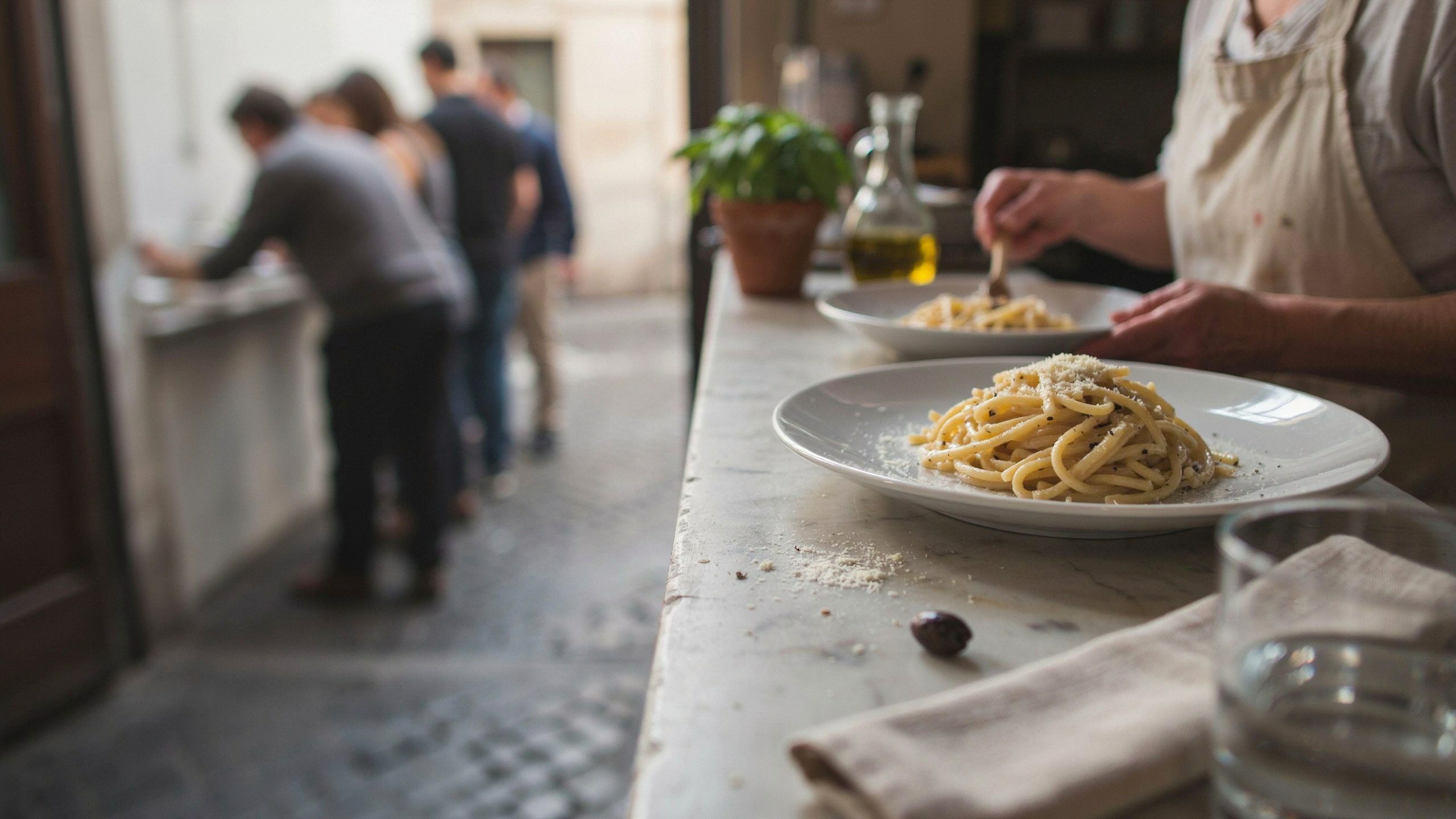
Rome's food is built around simple ingredients, strong flavours and recipes rooted in everyday Roman cooking. The famous pasta dishes — carbonara, cacio e pepe, gricia and amatriciana — are only part of the picture. Look for crisp pizza al taglio, supplì, seasonal artichokes, Roman-style vegetables and the city's tradition of turning inexpensive cuts into deeply flavoured dishes. If it's your first time eating in Rome, start with the classics, but don't stop at the four famous pastas. Try a Roman snack such as supplì or pizza al taglio, look for artichokes when they're in season, and explore the Jewish-Roman food tradition around the historic Jewish Quarter. Carciofi alla giudia is one of its best-known specialties. The city's older working-class cooking is also worth seeking out, with dishes such as trippa alla romana and coda alla vaccinara reflecting Rome's historic use of less-prized cuts. If you only try five things, make them carbonara, cacio e pepe, supplì, carciofi alla giudia and pizza al taglio. Then go beyond the obvious: gricia, seasonal vegetables and traditional Roman dishes can tell you much more about the city's food culture than another plate of pasta alone.
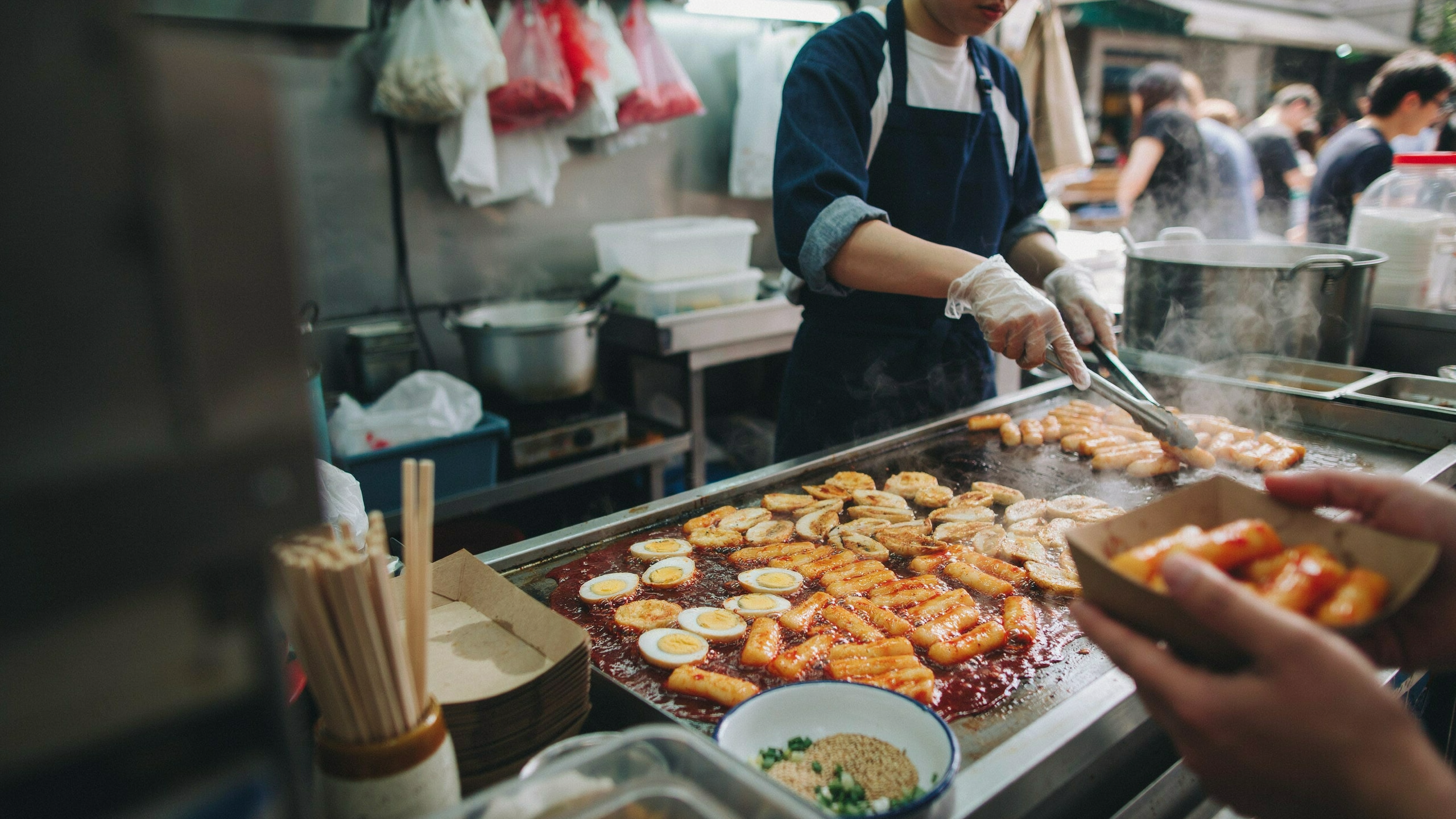
Seoul
South Korea
Seoul’s food culture moves between quick meals, shared barbecue, soup restaurants, market snacks and neighborhood cafés. Fermented sauces, rice, noodles, vegetables and grilled meats appear in many forms, while banchan turn even a simple main dish into a wider table. The city’s modern dining scene is extensive, but everyday Korean food remains easiest to understand through its combinations of texture, heat, fermentation and sharing. Travelers should try more than one format: eat a warm soup or noodle dish, share barbecue or a rice-based meal, and leave room for a market snack or sweet drink. Side dishes may be replenished, spice levels vary, and some menus are designed for groups, so ask about serving size before ordering. Neighborhood restaurants often specialize in one dish, which can make a focused meal more useful than a menu offering everything.
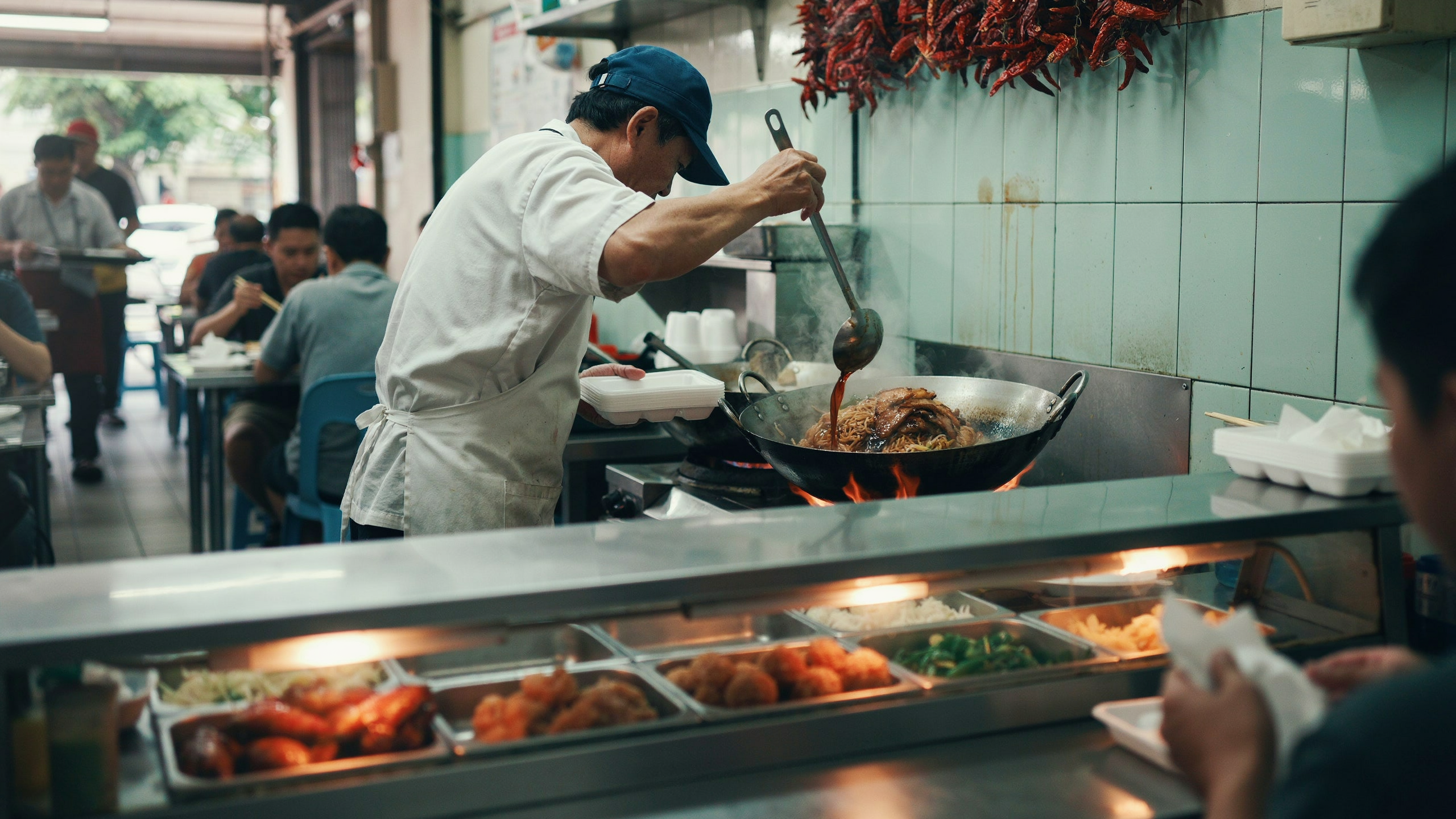
Singapore
Singapore
Singapore’s food culture is easiest to explore at hawker centres and coffee shops, where Chinese, Malay, Indian and Peranakan influences meet in everyday meals. Start with kaya toast and kopi for breakfast; compare Hainanese chicken rice, laksa or char kway teow at lunch; then look for roti prata or bak kut teh when you want a different style of meal. These dishes differ in flavor, ingredients and serving style, so the food pages below can help you decide what suits you. At a hawker centre, read the stall’s menu and posted information before joining a queue, and check how payment and table clearing work locally. Ask about chilli, shellfish or other ingredients if you have dietary needs. Rather than trying to cover every cuisine in one meal, choose one main dish and return for a snack or dessert; the variety is part of how Singaporeans eat, not a single fixed national menu.

Sydney
Australia
Sydney’s food culture is shaped by the harbor, a strong café and bakery routine, and the migration that has made Australian cities deeply connected to Asian, European and Middle Eastern cooking. Seafood, meat pies, sausage rolls and oysters sit comfortably beside Vietnamese, Chinese, Thai, Greek and Italian food, while brunch and specialty coffee have become part of the city’s everyday vocabulary. Beach kiosks, markets, pubs, bakeries and modern restaurants all offer different ways into Sydney eating. For a first visit, combine a classic bakery or pub snack with fresh seafood and one of the city’s café-style breakfasts. Try a sausage roll or meat pie on the go, look for Sydney Rock Oysters when available, and leave room for lamington or pavlova. Avocado toast is useful for understanding the modern café scene, while a bacon and egg roll belongs to a faster morning tradition. Menus change with season and location, so ask about provenance and check prices before ordering.
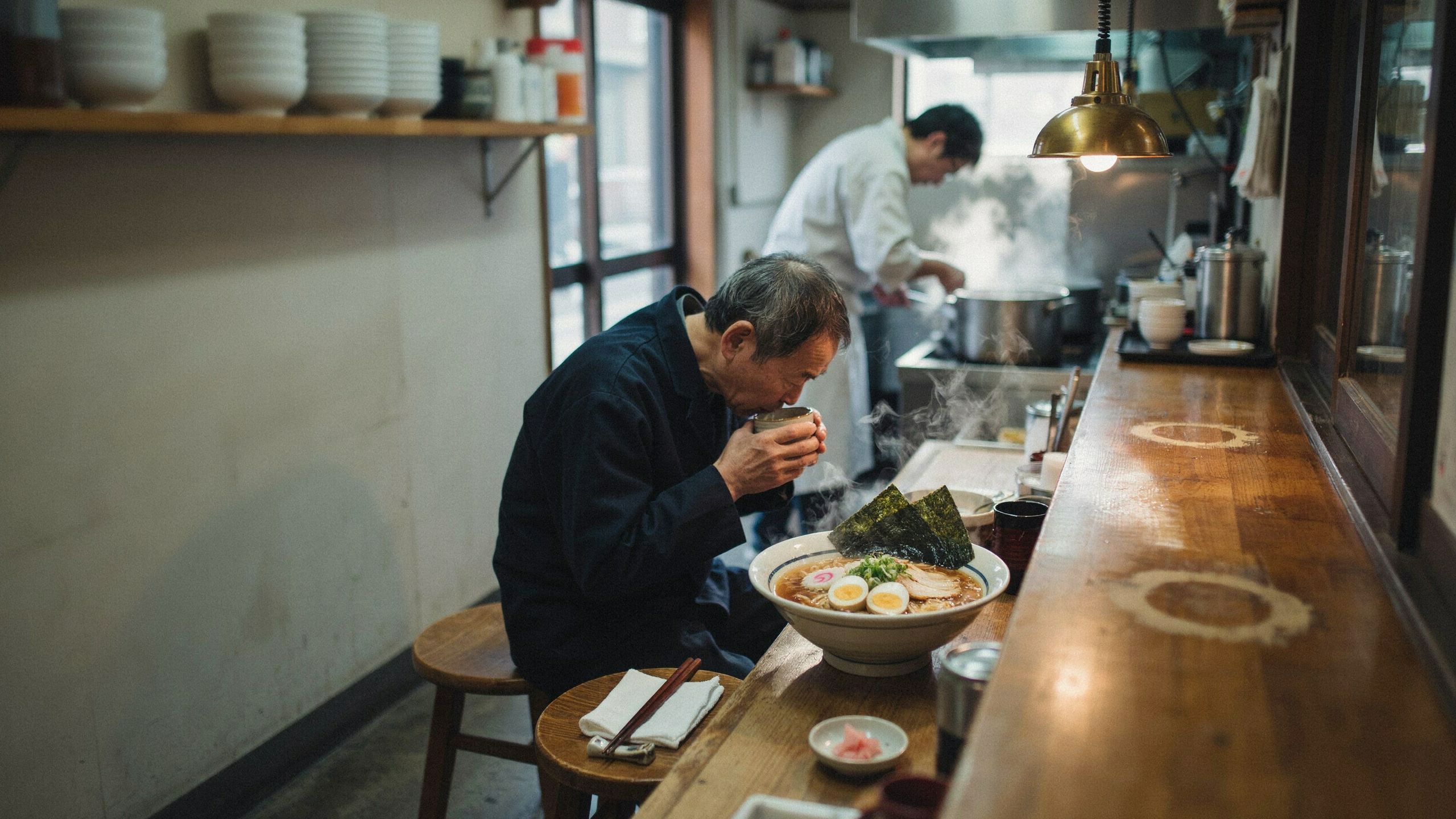
Tokyo
Japan
Tokyo is a city of specialists: one counter for sushi, one for ramen, one for tempura, each shaped by years of practice and attention to detail. But the city's food culture goes far beyond its famous restaurants. Tiny noodle shops, yakitori counters, neighborhood cafés, market stalls and traditional dessert shops all form part of the everyday experience of eating in Tokyo. If it's your first time, don't try to reduce Tokyo's food scene to a checklist of famous dishes. Have sushi or tempura when you want a more focused meal, but also make time for ramen, soba, yakitori and inexpensive rice bowls. Tokyo's local specialties are equally interesting: monjayaki connects directly to the shitamachi neighborhoods, while sweets such as ningyo-yaki and anmitsu offer a different side of the city's culinary history. The best way to eat Tokyo is to experience that range — from highly refined cooking to quick food eaten at a counter.

Toronto
Canada
Toronto’s food culture is shaped by immigration, neighborhood identity and a willingness to treat the city as a meeting place for many cooking traditions. Greek, Caribbean, South Asian, Middle Eastern, Chinese, Italian and other communities have made their food part of the city’s everyday landscape, while Ontario ingredients and Canadian comfort foods provide another layer. A single day can move from a peameal bacon sandwich at a market to jerk chicken, shawarma, souvlaki or a bakery pastry without leaving Toronto’s ordinary food life. For a first visit, explore by neighborhood and setting rather than searching for one definitive Toronto cuisine. Try a market sandwich, share a wrap or grilled plate, and look for the regional Canadian side in a butter tart or other bakery item. Ask where a dish’s tradition comes from and how the local version differs, especially when a menu uses “Toronto-style” as shorthand for adaptation. Portions vary, and prices can change quickly between casual counters and destination restaurants.