Skip to content
thebitepassport
Istanbul, Türkiye

What to eat in Istanbul

Türkiye

Istanbul’s food culture reflects its position between the Bosphorus, Anatolia and the wider cuisines of the former Ottoman world. Breakfast spreads, grilled meats, filled breads, meze, fish, sweets and strong coffee all have a place, and the city’s best everyday meals may happen at a bakery, lokanta, kebab counter or ferry-side stall rather than a formal restaurant.

Build a first food day around contrasts: start with simit or a fuller breakfast, try a grilled or stuffed dish for lunch, and share meze or seafood later. Regional labels matter, portions can be generous and menus may use Turkish names without much explanation, so ask what is made fresh and whether a dish is spicy, offal-based or intended for sharing. Prices vary considerably between neighborhoods and views, so check before ordering.

Start a Food Mission here

8 dishes found

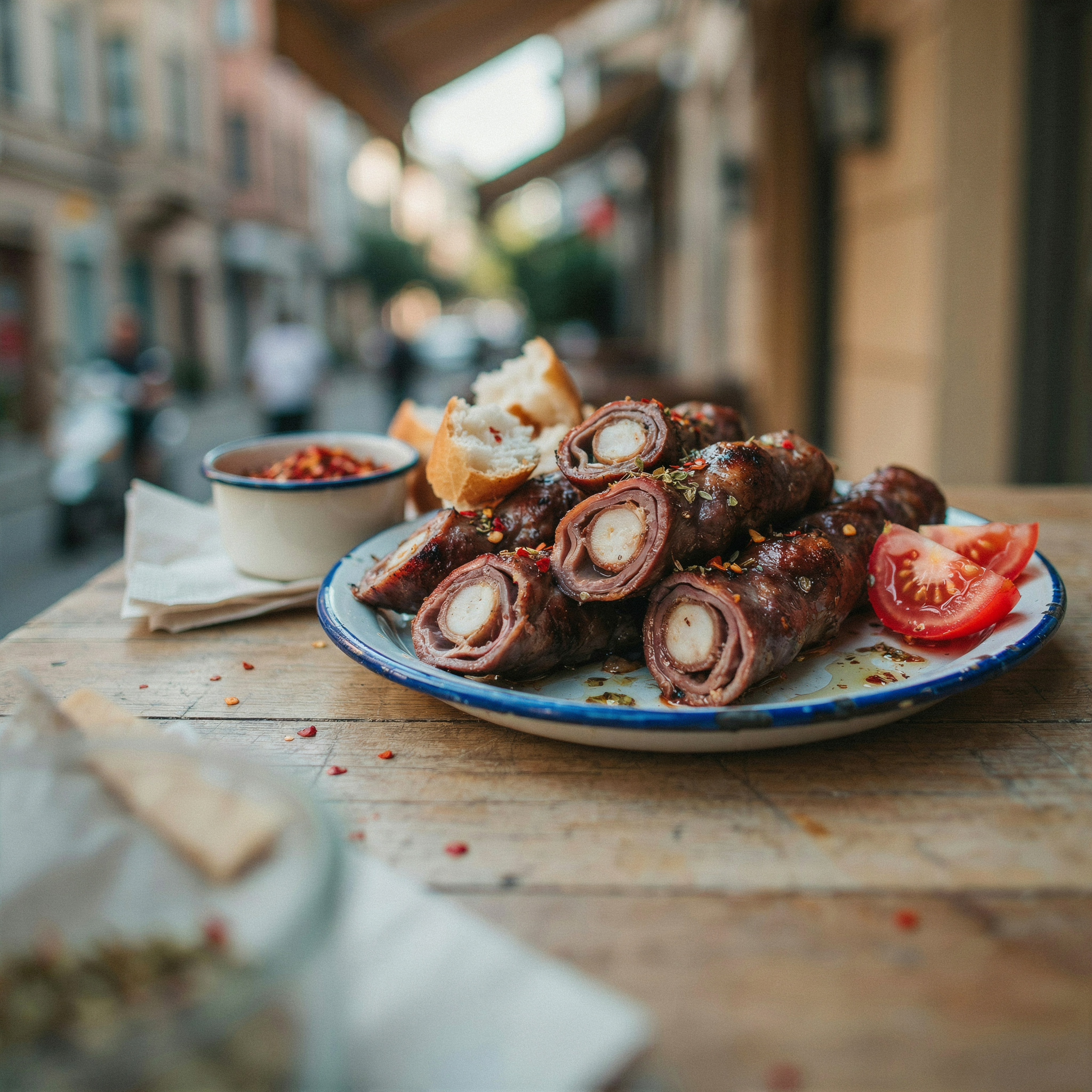
  • Kokoreç

    Kokoreç is a Turkish grilled offal dish, usually made from carefully cleaned lamb or sheep intestines wrapped around other seasoned offal, then roasted on a spit or over charcoal. The cooked roll is chopped finely on the hot plate and mixed with salt, oregano, cumin, black pepper or chilli flakes. Good kokoreç has crisp, intensely seasoned edges balanced by a tender, chewy interior; chopped tomato and green pepper may be added in some preparations. It is hearty, aromatic and deliberately nose-to-tail rather than a mild meat sandwich. In Istanbul, kokoreç is closely associated with street food and late-night eating, commonly served in a thick bread roll. The city is an important place to encounter the sandwich, but the dish should be treated as a Turkish and wider regional food with differing local styles, not as a single-city invention. Some vendors chop it very finely and spice it assertively, while others let the grilled flavor lead. For travelers, ordering it is a chance to understand how Turkish street cooking turns a less-used cut into a filling, characterful meal.

    • Iconic
    • Street food
    • Spicy

    TRY 120–TRY 220 approx.

    0votes — sign in to vote
  • Su Böreği

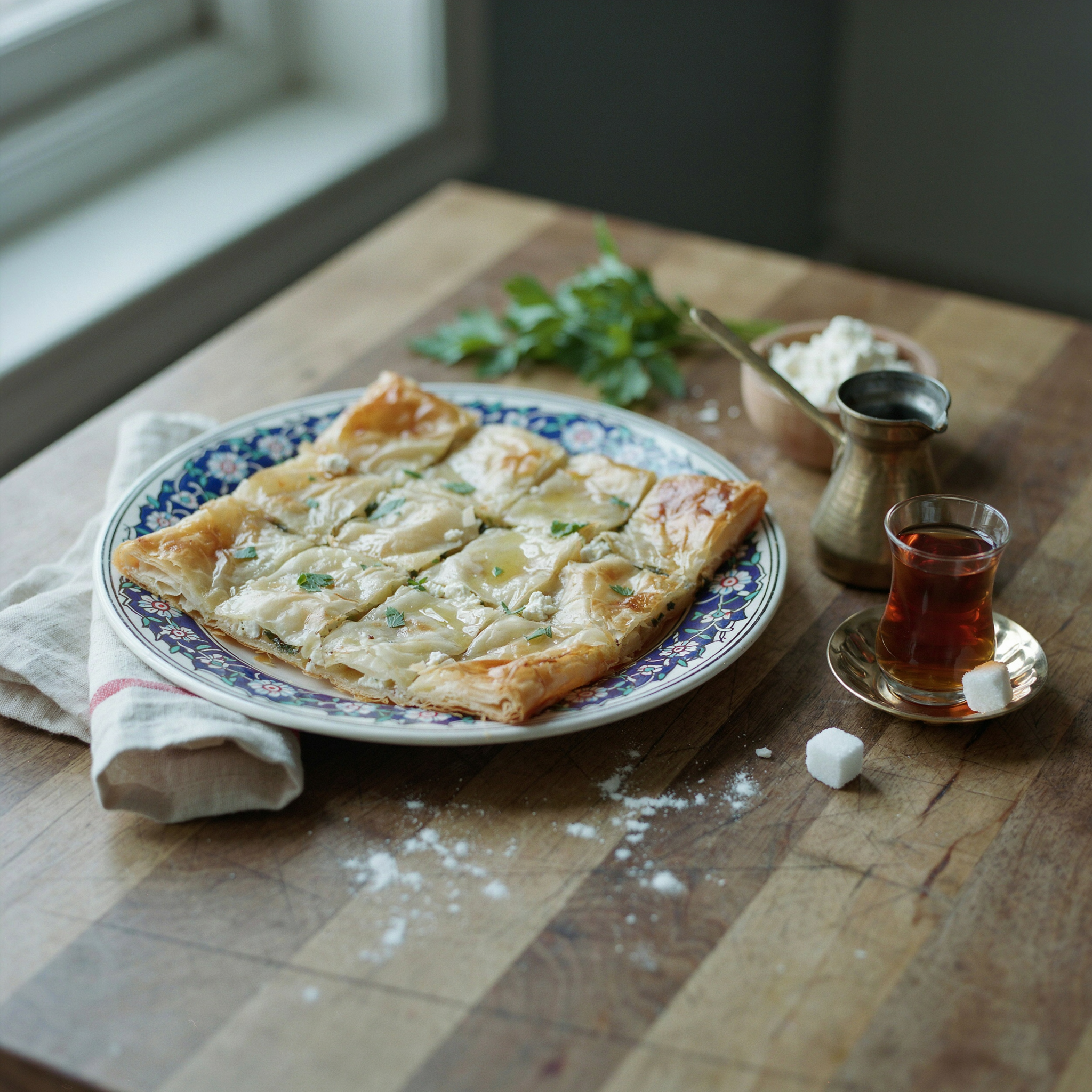
    Su böreği is a layered pastry made from thin sheets of dough that are briefly boiled before being assembled with butter, cheese and herbs. The result is tender and almost noodle-like inside, with a browned, buttery top rather than the dry crunch of ordinary filo.

    • Iconic
    • Vegetarian

    TRY 80–TRY 150 approx.

    0votes — sign in to vote
  • Kumpir

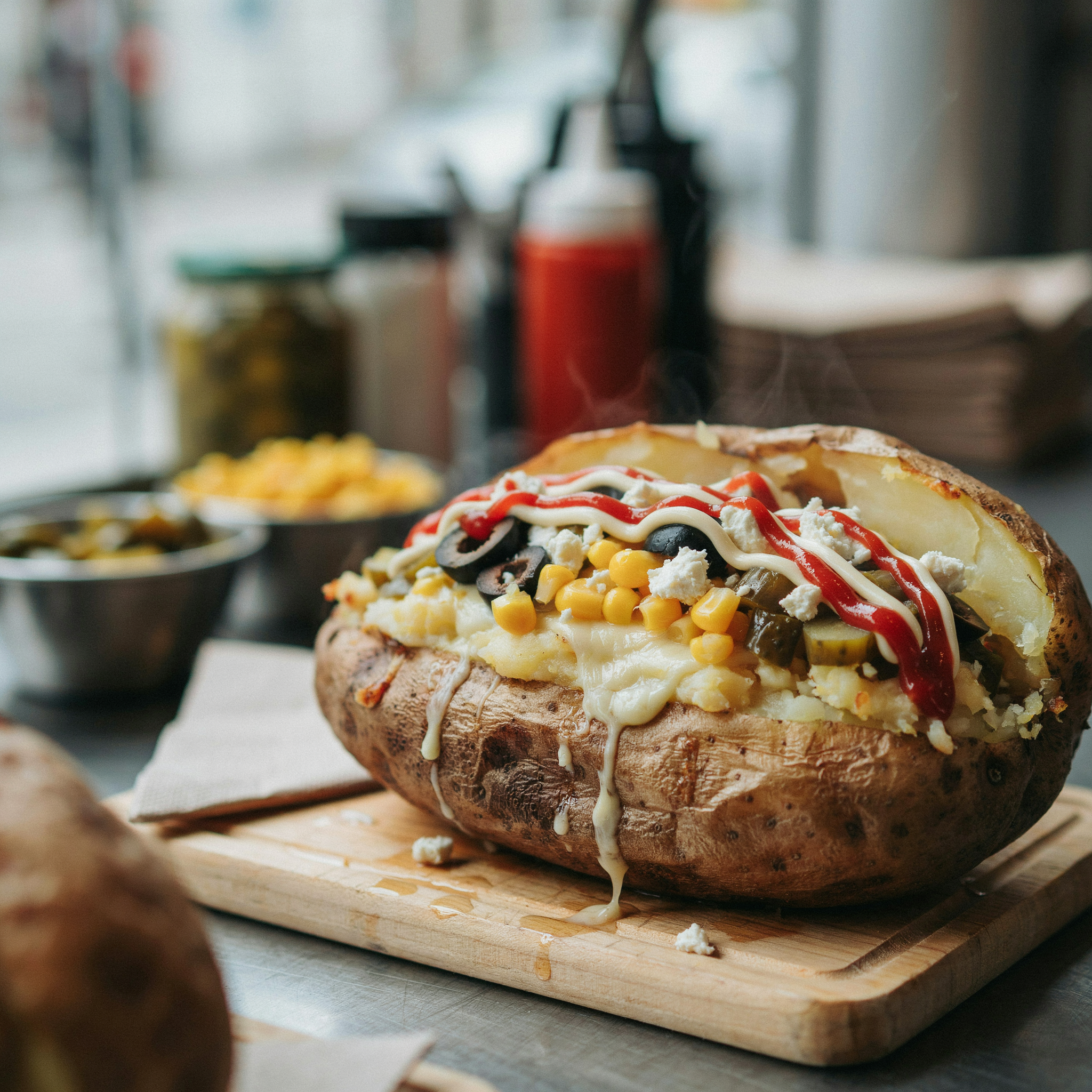
    Kumpir starts with a large baked potato split open and mashed with butter and kaşar cheese, then finished with a choice of toppings such as olives, pickles, corn, salads and sausage. The potato is hot and fluffy, while the toppings create a salty, creamy and crunchy meal.

    • Iconic
    • Street food
    • Vegetarian

    TRY 150–TRY 250 approx.

    0votes — sign in to vote
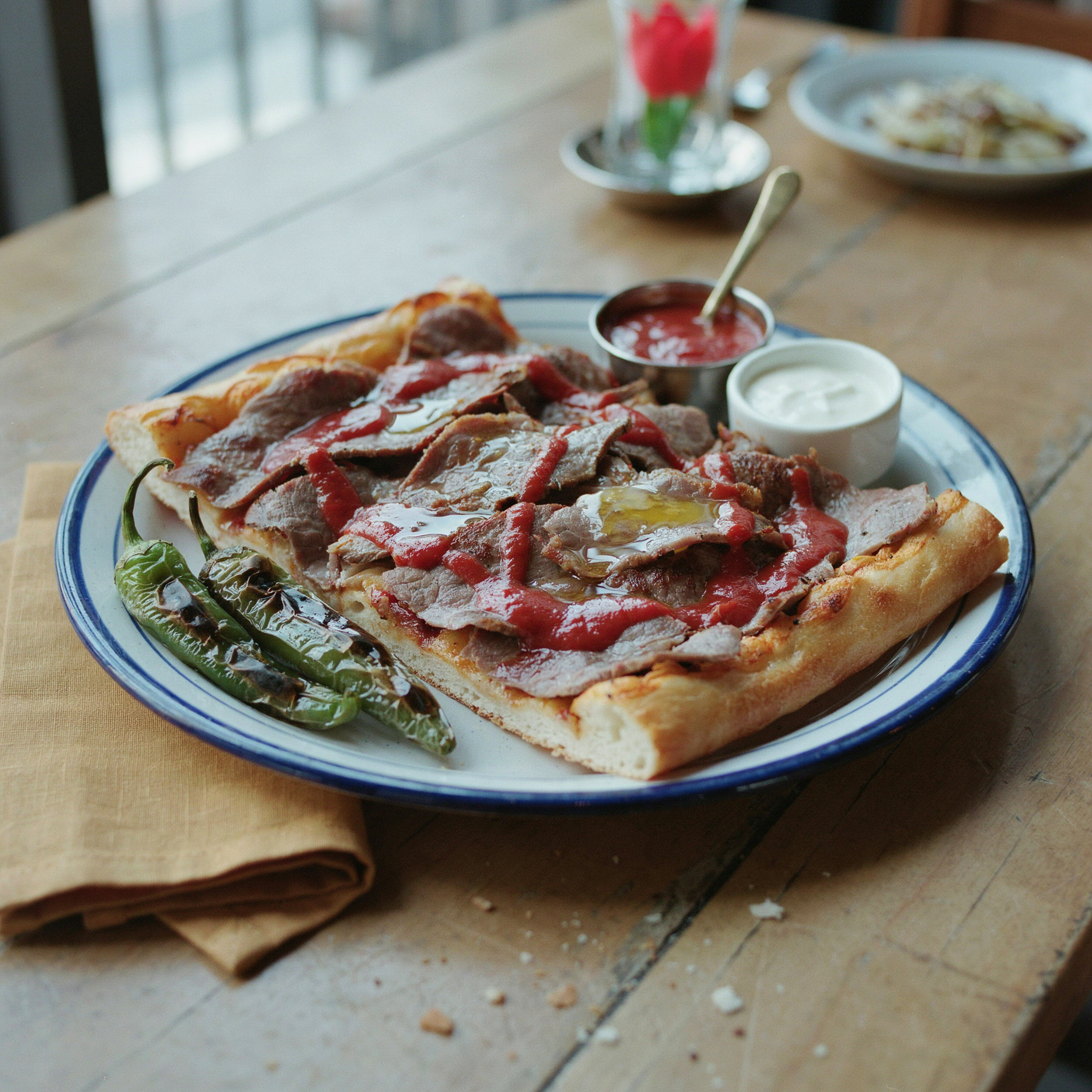
  • İskender Kebab

    İskender kebab uses thin slices of döner-style meat over pieces of pide, topped with tomato sauce and browned butter and served with yogurt. The bread absorbs the sauce, while the meat stays savory and the yogurt supplies a cool contrast.

    • Iconic

    TRY 300–TRY 550 approx.

    0votes — sign in to vote
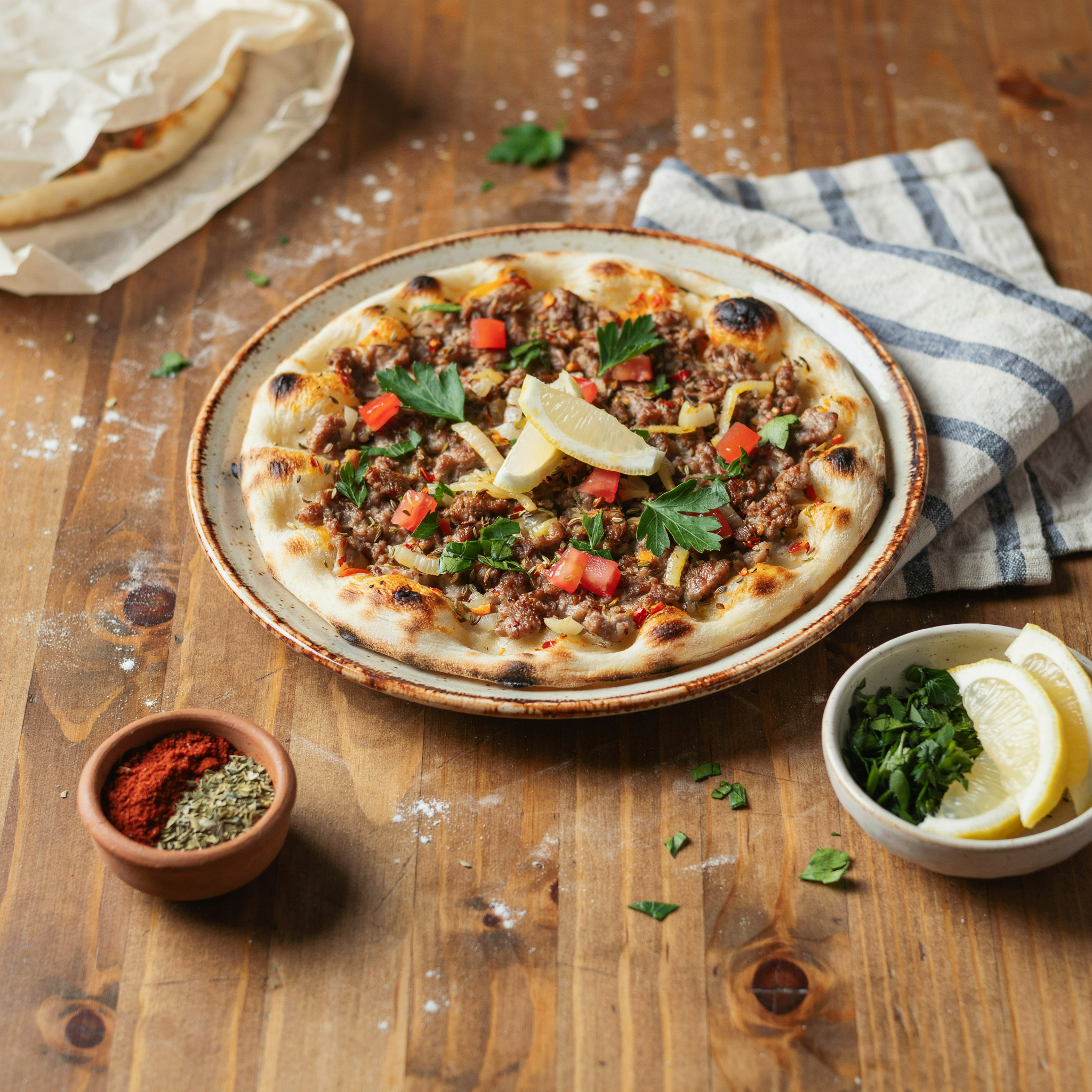
  • Lahmacun

    Lahmacun is a very thin round flatbread spread with minced meat, tomato, pepper, herbs and spices before being baked quickly in a hot oven. It should be crisp at the rim but flexible enough to roll with parsley, onion, lemon or salad.

    • Iconic
    • Street food
    • Spicy

    TRY 60–TRY 120 approx.

    0votes — sign in to vote
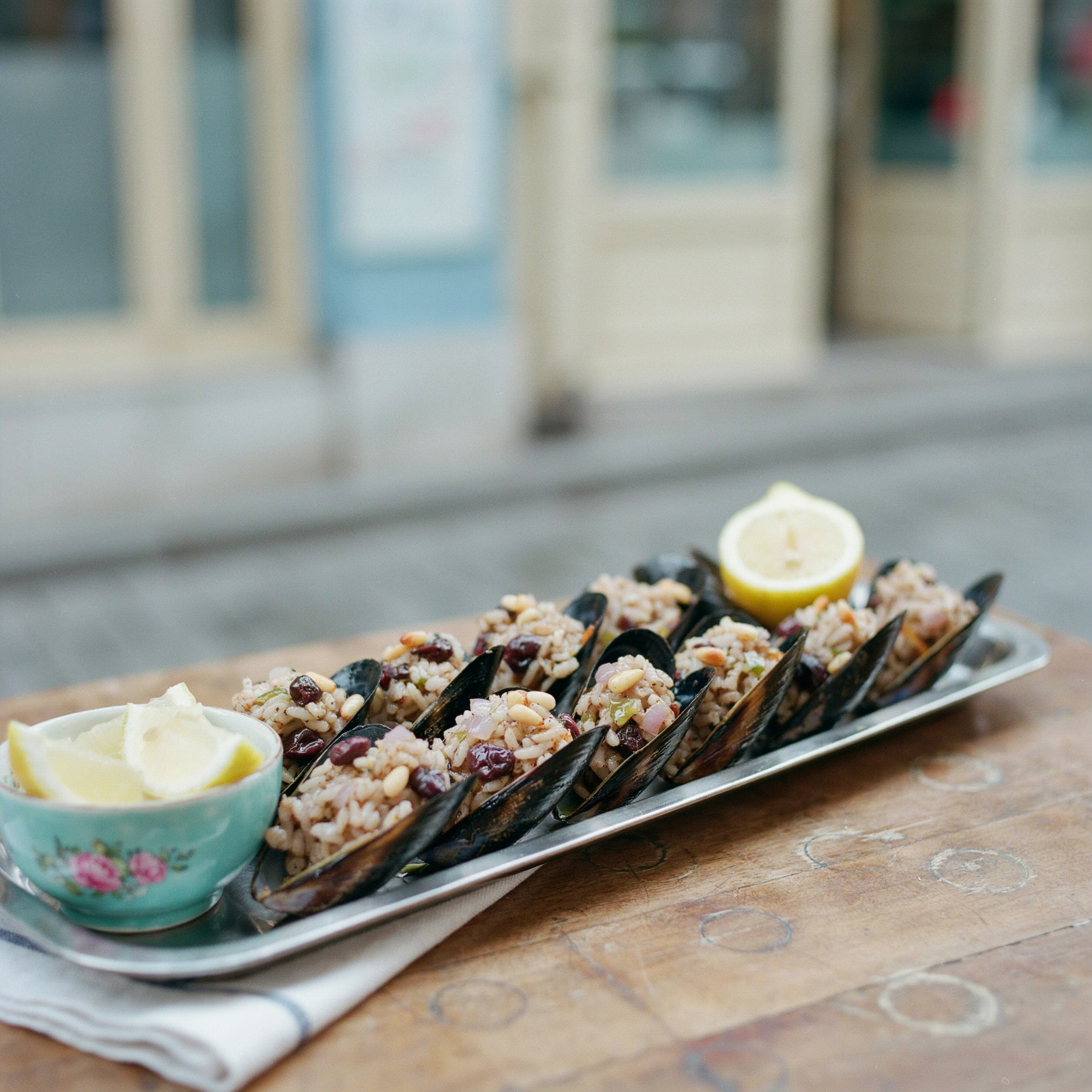
  • Midye Dolma

    Midye dolma are mussels filled with spiced rice, herbs, pine nuts or currants and served cold or at room temperature. The vendor opens the shell and uses the upper half as a spoon, combining the rice with the briny mussel and a squeeze of lemon.

    • Iconic
    • Street food
    • Seafood

    TRY 10–TRY 20 approx.

    0votes — sign in to vote
  • Balık Ekmek

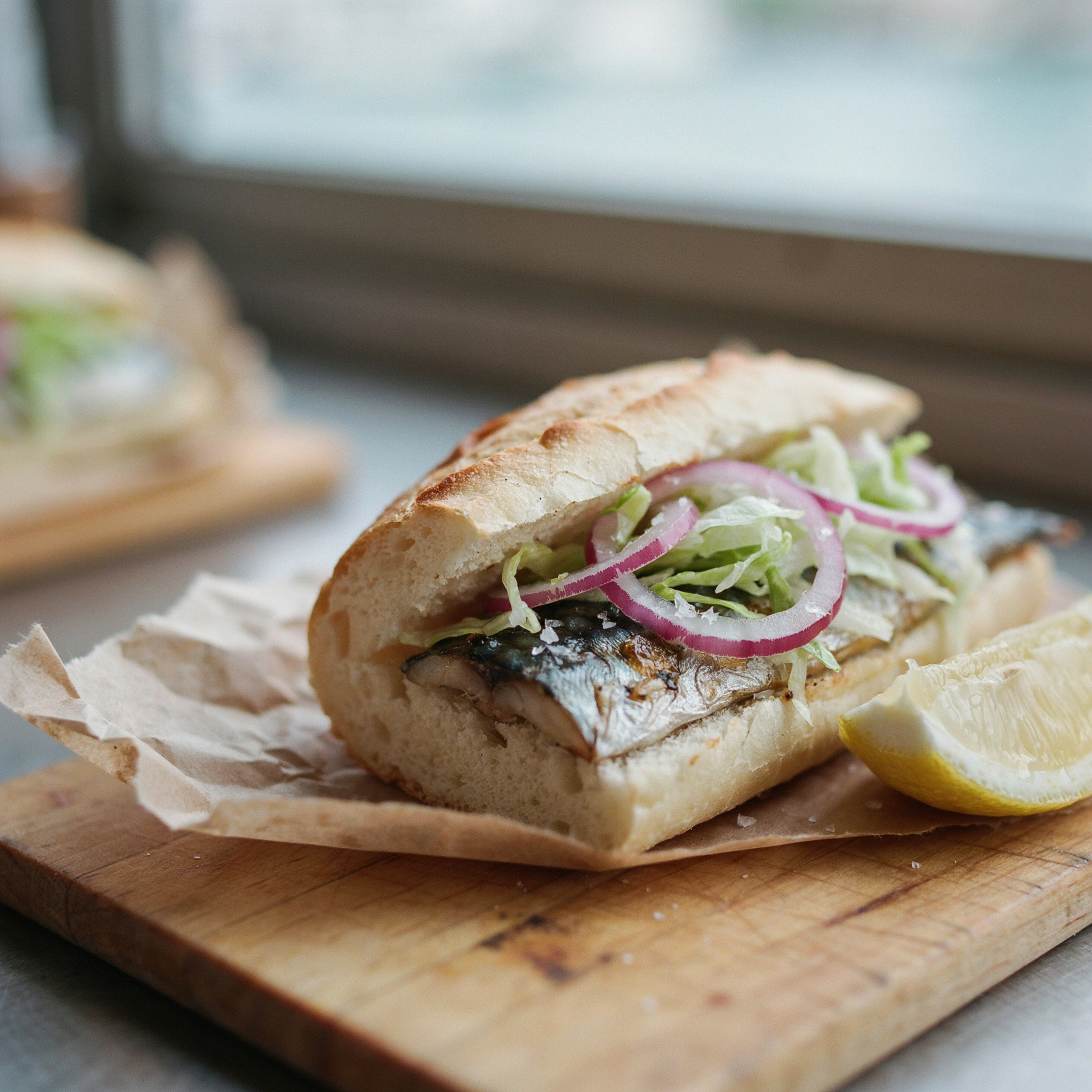
    Balık ekmek is grilled or fried fish served in bread with onion, greens and lemon. The fish is the center of the sandwich, while the bread and sharp garnishes make it portable and balance the oil. Versions vary with the catch and cooking method.

    • Iconic
    • Street food
    • Seafood

    TRY 100–TRY 180 approx.

    0votes — sign in to vote
  • Simit

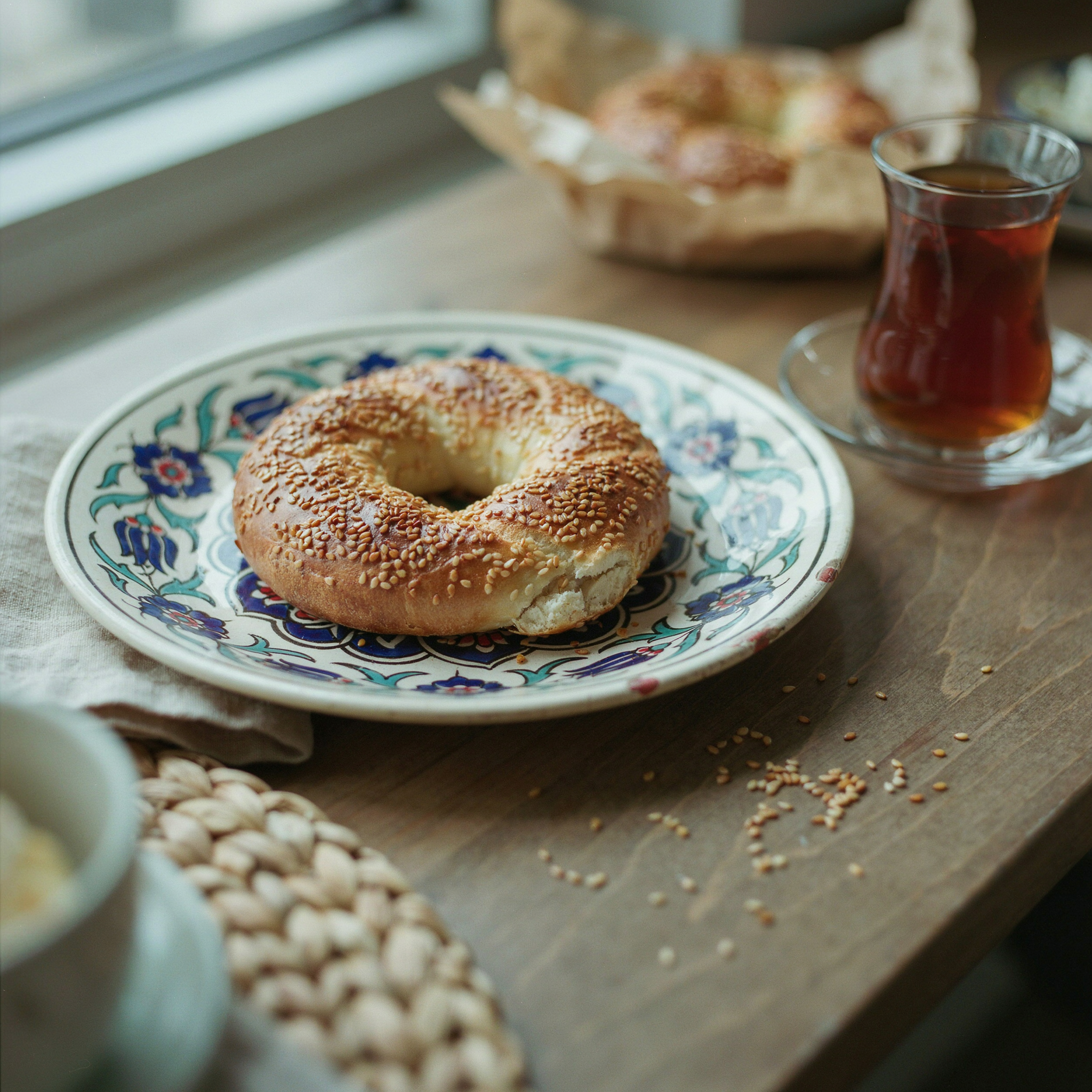
    Simit is a ring-shaped bread coated in sesame seeds and baked until the outside is crisp and deeply toasted. The dough is usually dipped in a grape-molasses mixture before baking, which helps the seeds adhere and adds a subtle caramel note. Its crumb can range from chewy and dense to lighter and breadier depending on the bakery. Simit is less soft and egg-rich than many breakfast pastries, and its appeal comes from the contrast between a sesame crust and a plain, slightly salty interior. Istanbul is closely associated with simit sellers, bakeries and the habit of eating the bread as an inexpensive breakfast or snack. It may be eaten plain, with tea, cheese, olives or spreads, and the version sold by a street vendor can differ from the larger, softer bakery style. Comparing it with a bagel is useful only as a rough reference: simit is generally thinner, more sesame-forward and not boiled in the same way. For travelers, it is one of the easiest local foods to try without planning a full meal.

    • Iconic
    • Street food
    • Vegan

    TRY 10–TRY 20 approx.

    0votes — sign in to vote

Prices are approximate and editorial. Always check locally before ordering.