Skip to content
thebitepassport
Kyoto, Japan

What to eat in Kyoto

Japan

Kyoto’s food culture is closely tied to seasonality, craft and the city’s history as Japan’s imperial capital. Kaiseki presents carefully sequenced courses, but Kyoto eating is not limited to formal dining: tofu and yuba shops, soba counters, pickles, sweets, tea houses and small neighborhood restaurants all show how local ingredients are handled with precision. Dashi, rice, fermented vegetables, river and lake fish, and Buddhist vegetarian cooking give the city a food identity that feels quieter and more composed than the louder street-food centers.

For a first visit, choose meals in different settings. Try a bowl of noodles, sample Kyoto pickles or yuba, and leave time for a seasonal sweet or tea. Kaiseki requires more time and planning than a casual lunch, while dishes such as nishin soba offer a simpler entry into local flavors. Ask what is seasonal, note that some traditional restaurants require reservations, and check menus carefully if you need meat, seafood or alcohol-free choices.

Start a Food Mission here

7 dishes found

  • Matcha Soba

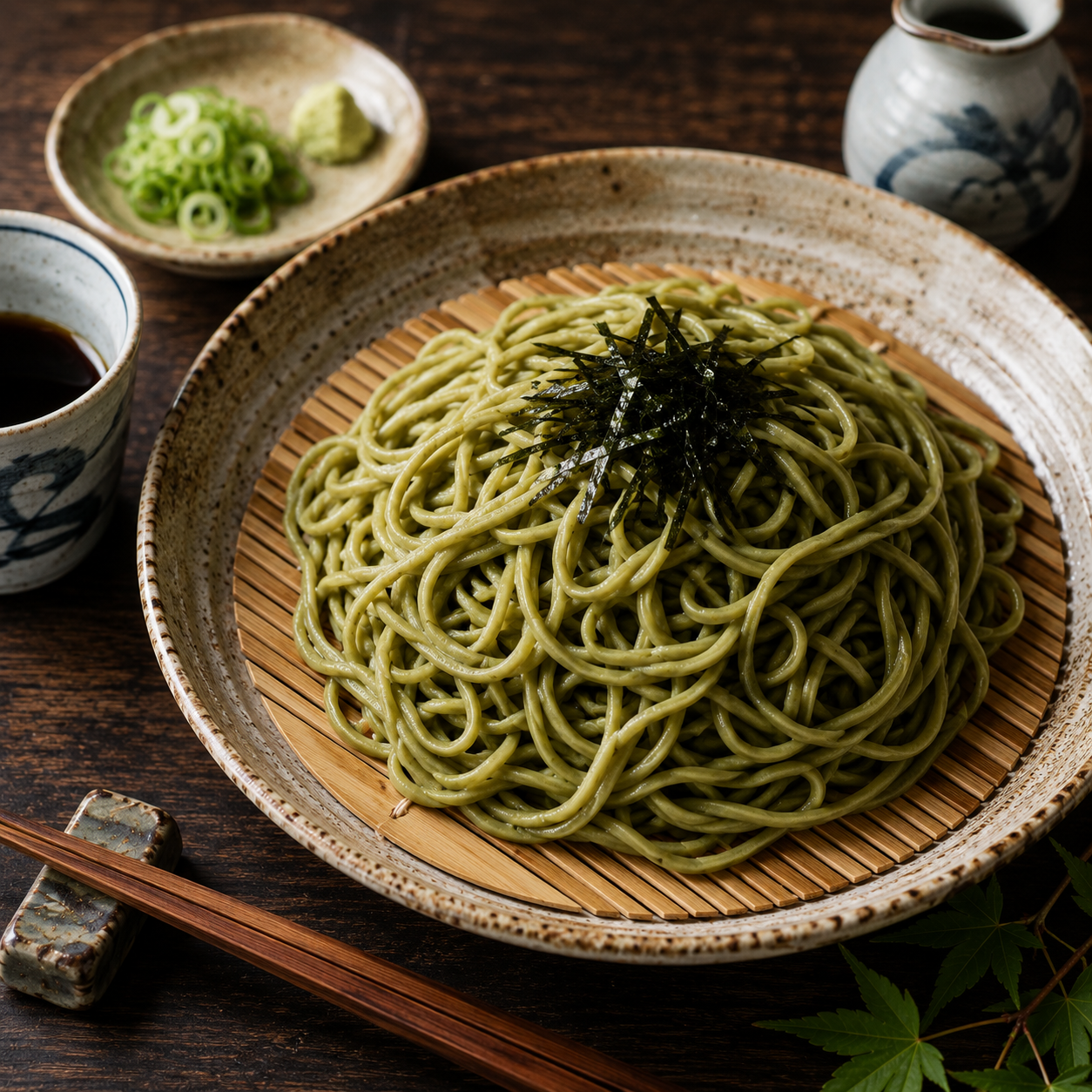
    Matcha soba combines buckwheat noodles with powdered green tea, giving the strands a green color and a gentle bitter, grassy note. The noodles may be served chilled with dipping sauce or hot in broth, and the matcha should complement rather than overwhelm the nutty buckwheat. The dish connects Kyoto’s noodle culture with the tea-growing area around Uji, though it is a modern flavored variation rather than an ancient everyday staple. It offers travelers a lighter way to encounter the region’s tea identity outside a formal tea ceremony.

    • Iconic

    ¥900–¥1800 approx.

    0votes — sign in to vote
  • Hamo Ryori

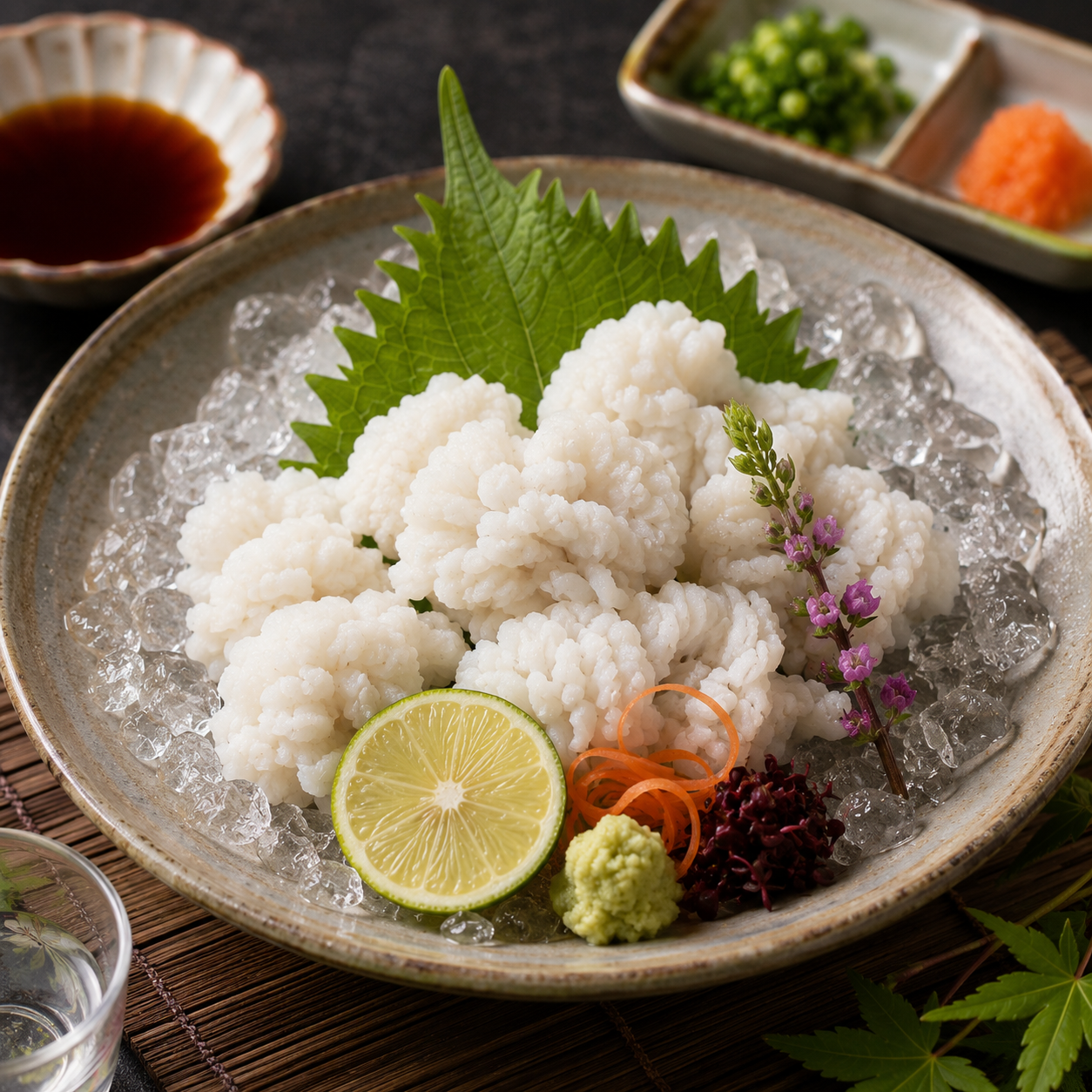
    Hamo ryori features pike conger, a fish with fine bones that require the specialist knife technique called hone-giri. The fish may be blanched, grilled or simmered, with plum, soy or seasonal vegetables adding contrast to its delicate texture. Hamo is strongly associated with Kyoto’s summer cuisine because the fish could reach the inland capital alive from the coast. The seasonal association remains important, especially in refined menus, but preparation differs between restaurants and courses.

    • Iconic
    • Seafood

    ¥3000–¥10000 approx.

    0votes — sign in to vote
  • Yuba

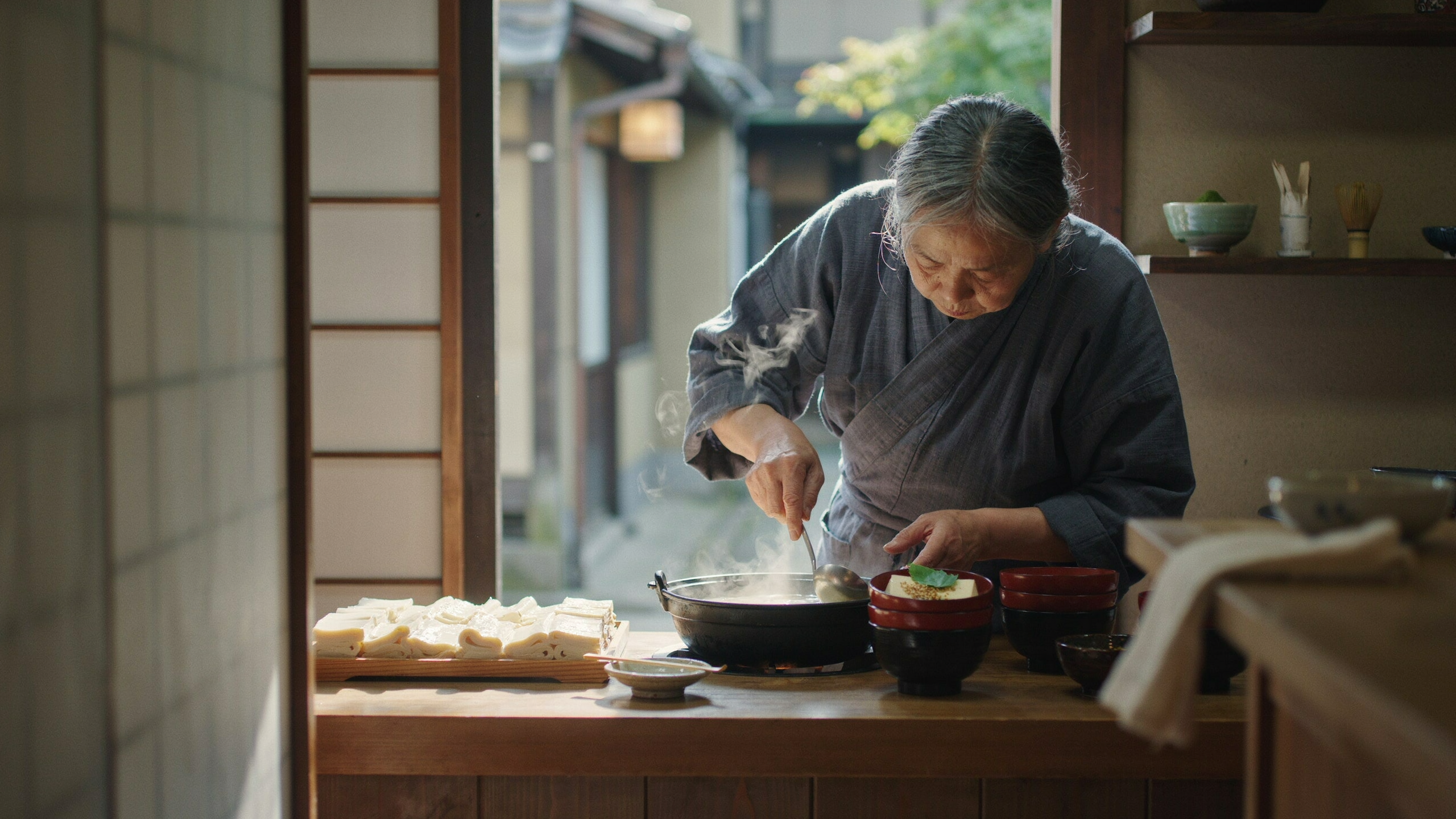
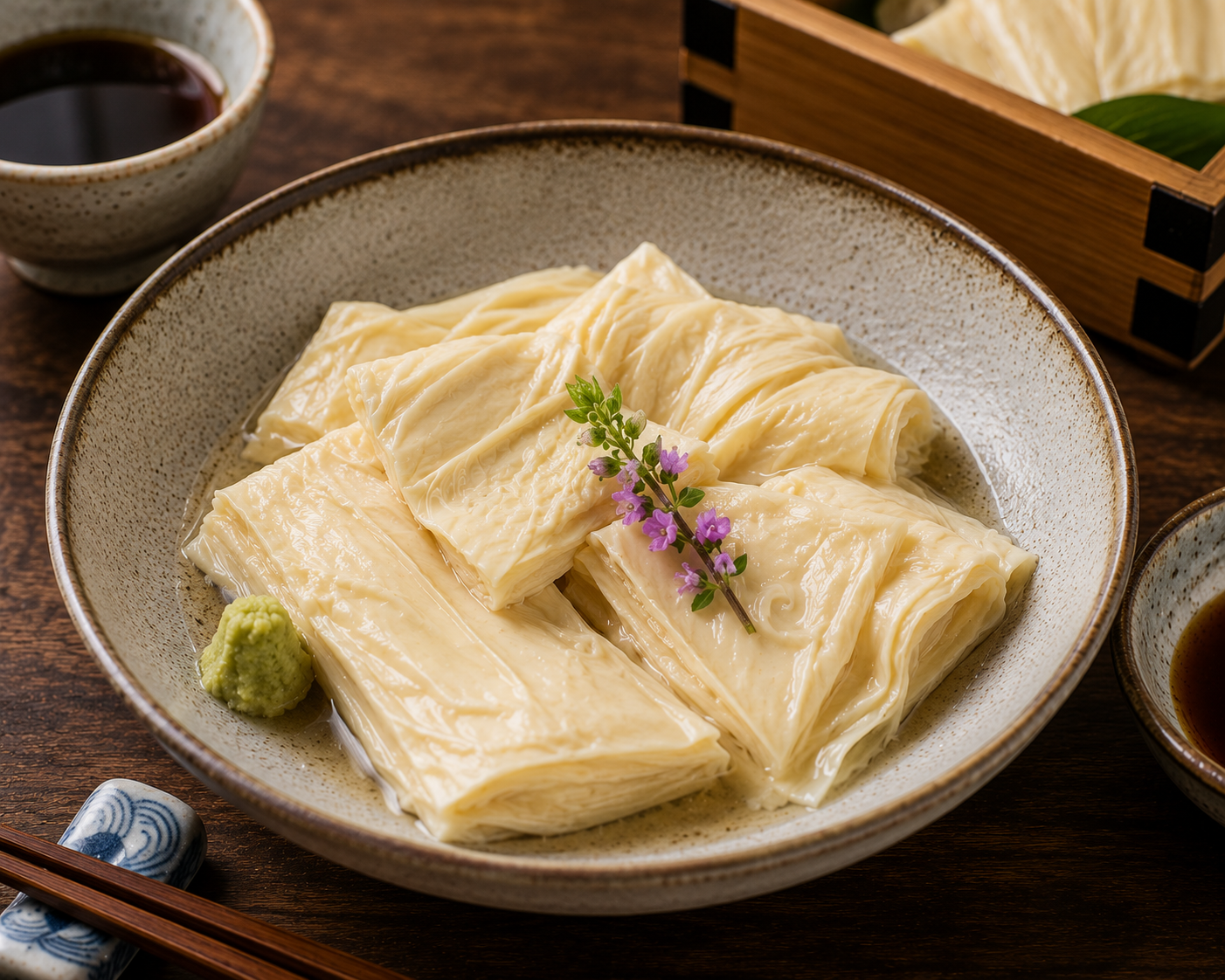
    Yuba is the thin layer that forms on the surface of heated soy milk, lifted and eaten fresh, dried or layered into soups and tofu dishes. Its texture can be silky and tender or slightly chewy, with a delicate soybean flavor that takes on dashi and sauces. It has a close relationship with Kyoto’s Buddhist vegetarian cooking and temple cuisine, where soy products provide substance without meat. Today yuba appears in traditional restaurants and specialist shops, connecting everyday soy craft with more formal seasonal meals.

    • Iconic
    • Vegan

    ¥1500–¥4000 approx.

    0votes — sign in to vote
  • Nama-Yatsuhashi

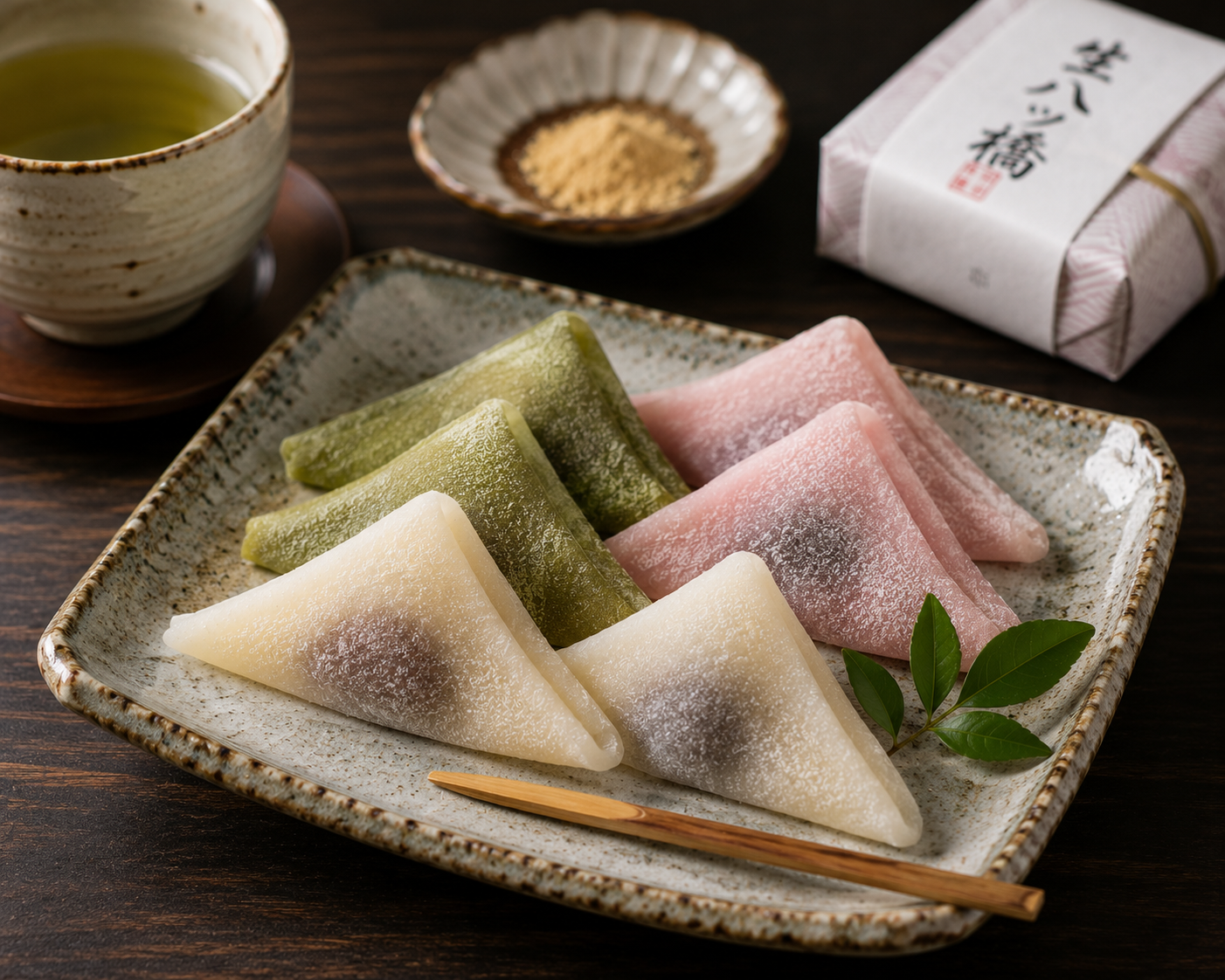
    Nama-yatsuhashi is a soft, uncooked sheet of rice-flour dough folded around sweet red-bean paste. Cinnamon is traditional, while matcha, sesame and seasonal fillings are common; the wrapper is chewy and moist rather than crisp. The confection is one of Kyoto’s best-known souvenir sweets, but it is also part of the city’s long wagashi tradition of pairing restrained sweetness with tea. Because it is unbaked, it has a shorter, more delicate texture than hard yatsuhashi crackers.

    • Iconic
    • Street food
    • Vegan
    • Sweet

    ¥500–¥1500 approx.

    0votes — sign in to vote
  • Kyo-Tsukemono

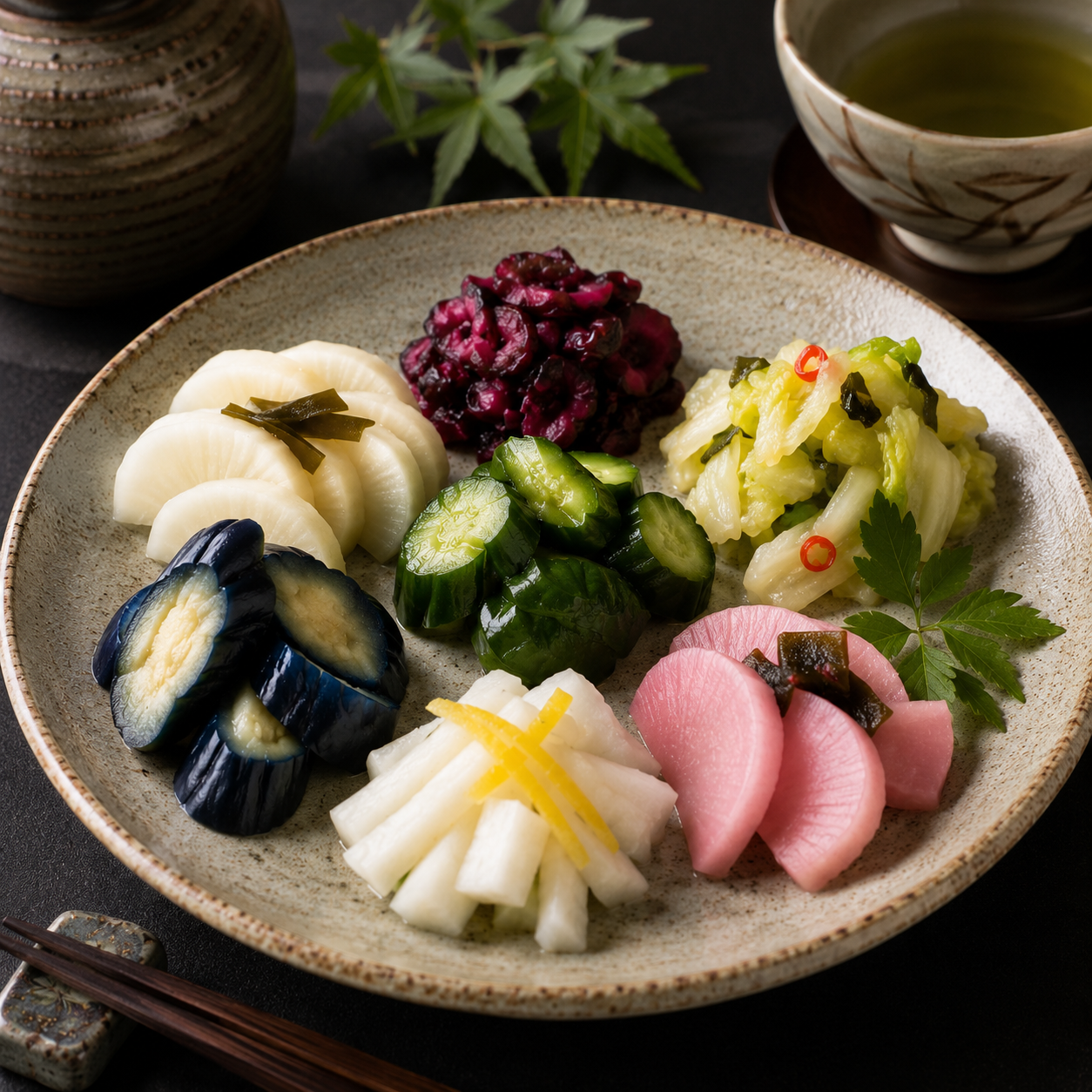
    Kyo-tsukemono are Kyoto pickles made from local vegetables preserved with salt, vinegar, rice bran, miso or fermentation. Senmaizuke and shibazuke are well-known examples, but texture and acidity vary widely across the range. Pickling reflects Kyoto’s seasonality and the need to preserve vegetables for temple, household and formal cuisine. The city’s pickles are not just garnishes: they refresh rice-based meals and provide a concentrated expression of local produce and preservation craft.

    • Iconic
    • Vegan

    ¥500–¥1500 approx.

    0votes — sign in to vote
  • Kaiseki Ryori

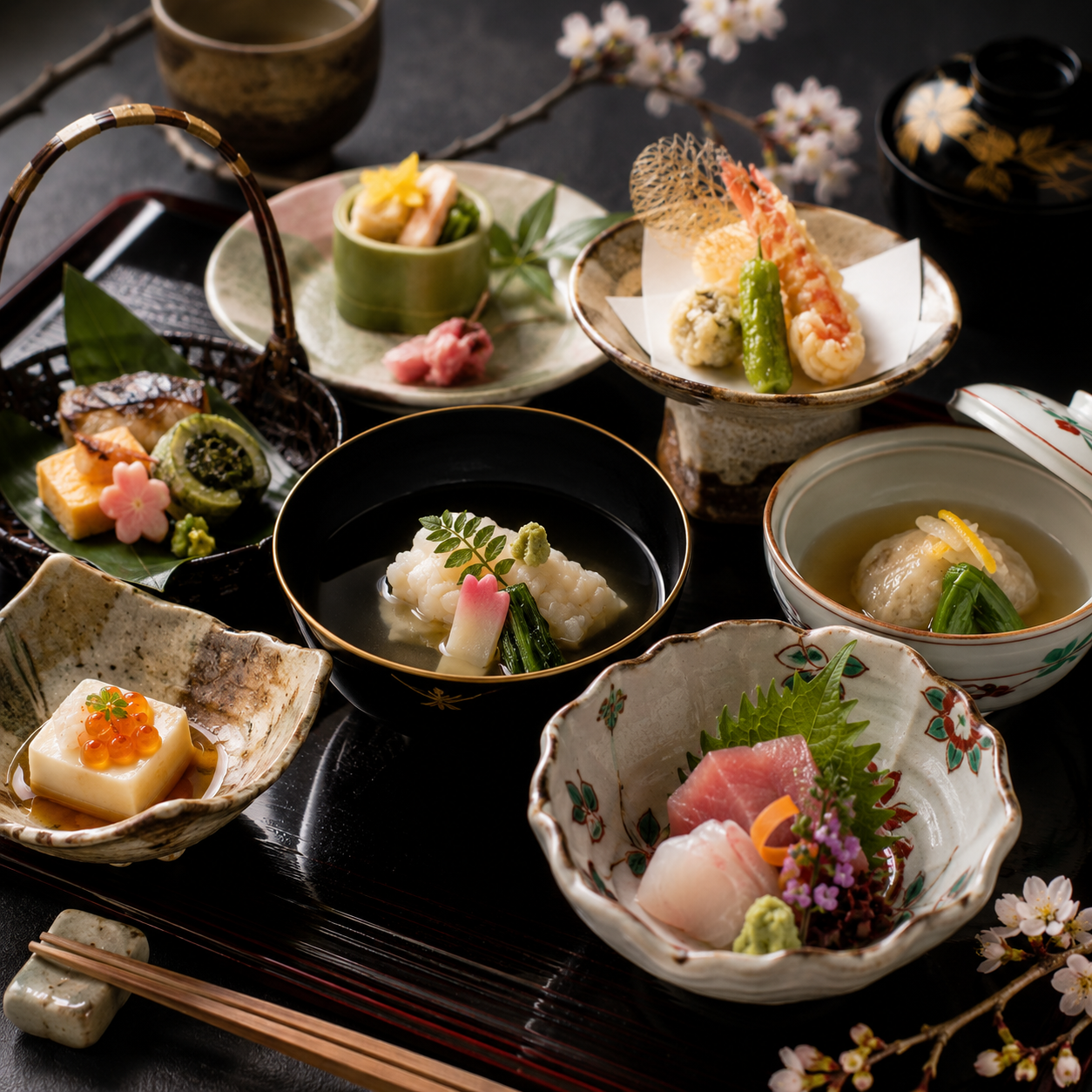
    Kaiseki is a multi-course Japanese meal organized around seasonality, balance and careful presentation. Courses may include soup, sashimi, grilled food, simmered dishes and rice, with ingredients and ceramics changing through the year. Kyoto is one of the most important settings for kaiseki because of its connection to tea practice, temples and the former imperial court. It is not simply expensive food: the meal’s sequence, restraint and attention to seasonal detail are the central experience.

    • Iconic
    • Seafood

    ¥10000–¥30000 approx.

    0votes — sign in to vote
  • Nishin Soba

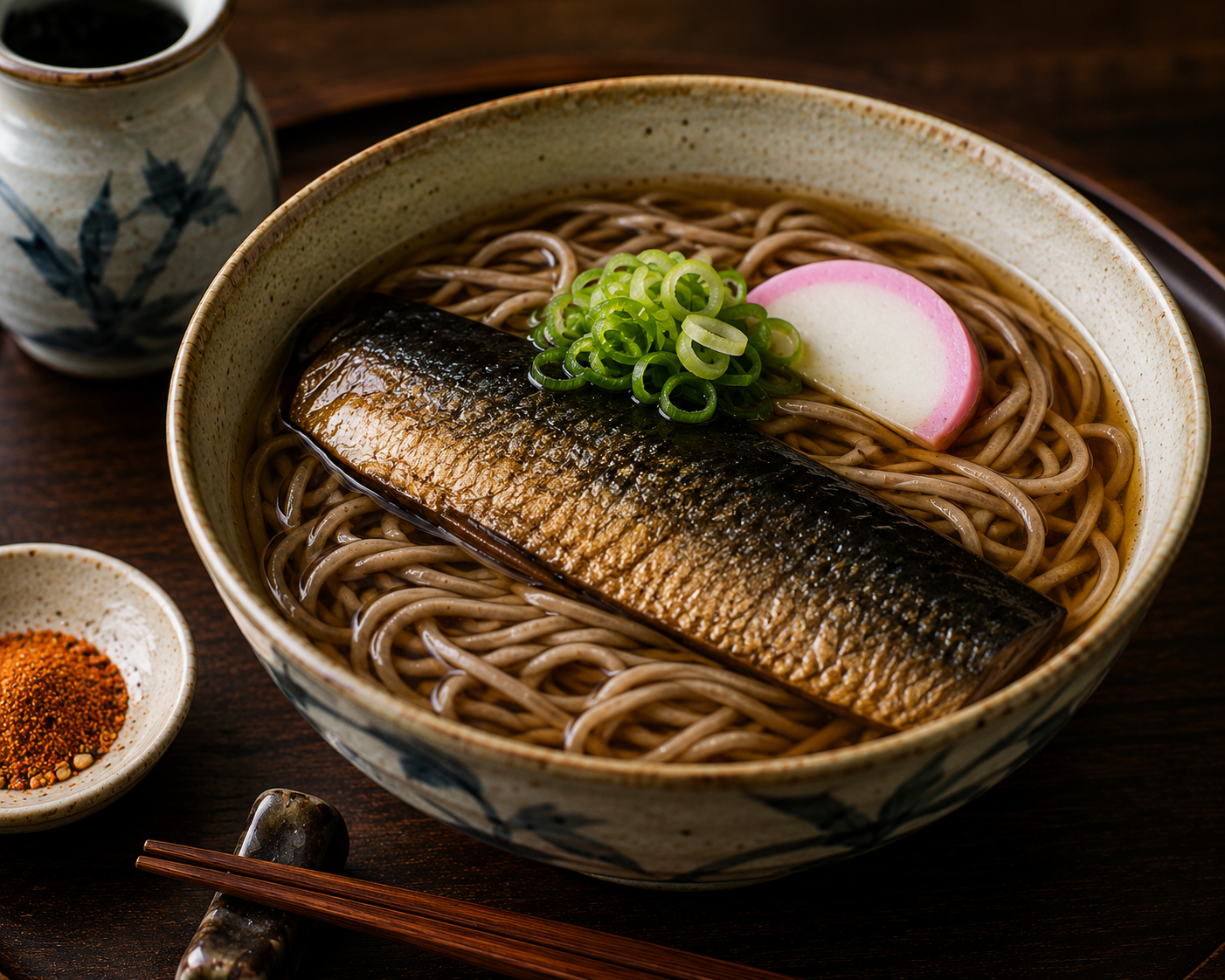
    Nishin soba combines buckwheat noodles with a piece of dried herring that has been simmered in a sweet-savory seasoning. The herring is tender and strongly flavored, while the hot dashi broth gives the noodles a lighter, aromatic base. Kyoto versions are often served with the fish laid over the noodles rather than mixed through the bowl, making the contrast between firm soba, soft herring and warm broth easy to notice. The dish is more substantial than plain kake soba but less elaborate than a multi-course meal. Nishin soba is especially associated with Kyoto, where preserved herring became useful in an inland city with long-standing connections to northern fish supplies. The dish shows how preservation and trade shaped regional cooking: dried fish could travel, be rehydrated and turned into a satisfying noodle topping. It is commonly eaten at soba restaurants as a quick lunch or dinner, and it offers a distinctly Kyoto answer to the question of how a city adapts ingredients from elsewhere. The sweet fish is the defining feature, not a garnish.

    • Iconic
    • Seafood
    • Sweet

    ¥1000–¥2000 approx.

    0votes — sign in to vote

Prices are approximate and editorial. Always check locally before ordering.