Skip to content
thebitepassport
Paris, France

What to eat in Paris

France

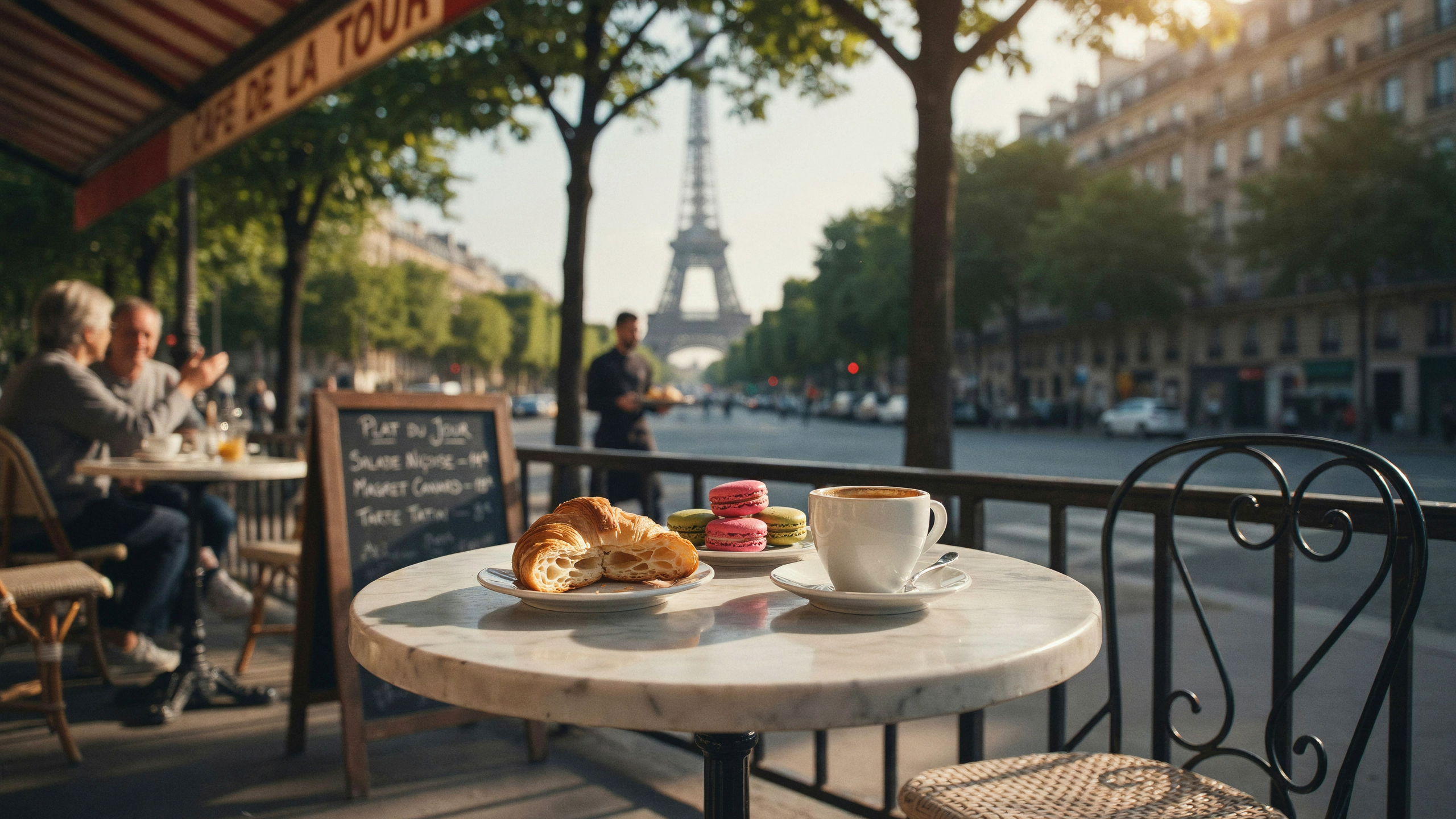
Paris’s everyday food rhythm gives visitors a useful way to explore the city: a bakery breakfast, a market or café lunch, then a longer evening meal. For a quick lunch, look for a croque-monsieur; a neighborhood bistro is a natural setting for steak frites or soupe à l’oignon; bakeries and pâtisseries are the place to compare breads and pastries. These are different kinds of stops, so one restaurant is unlikely to show the whole picture.

Build a day around two or three of them instead of chasing a single “best” meal: choose a bakery in the morning, a simple lunch near the area you are visiting, and a bistro or brasserie for dinner. If a menu names a regional dish or a house specialty, ask how it is served; recipes and portions vary by restaurant. The food pages below explain the dishes and help you recognize them on a menu.

Start a Food Mission here

8 dishes found

  • Steak Tartare

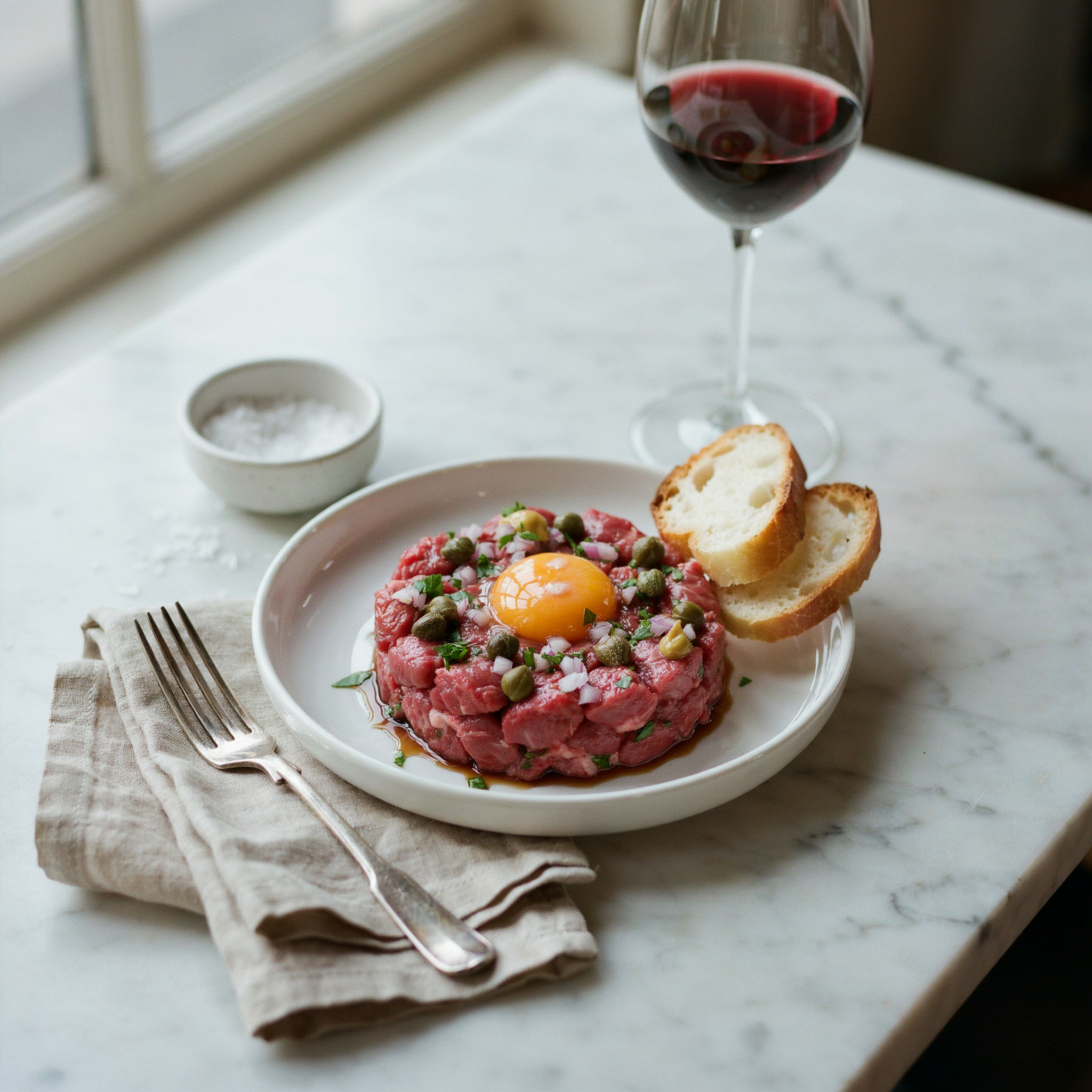
    Steak tartare is a classic French preparation of finely chopped or minced raw beef, traditionally seasoned with ingredients such as mustard, capers, onions, herbs and black pepper. Depending on the restaurant, it may arrive already mixed or with some of the seasonings arranged alongside the meat so the diner can adjust the balance. The dish is completely different from a cooked steak, with the quality and freshness of the beef becoming especially important. It is usually served with fries or toasted bread, making it a substantial bistro meal rather than simply a small starter. For visitors, it is one of the more distinctive traditional French dishes to try if you're comfortable eating raw beef.

    • Iconic

    €15–€25 approx.

    0votes — sign in to vote
  • Escargots de Bourgogne

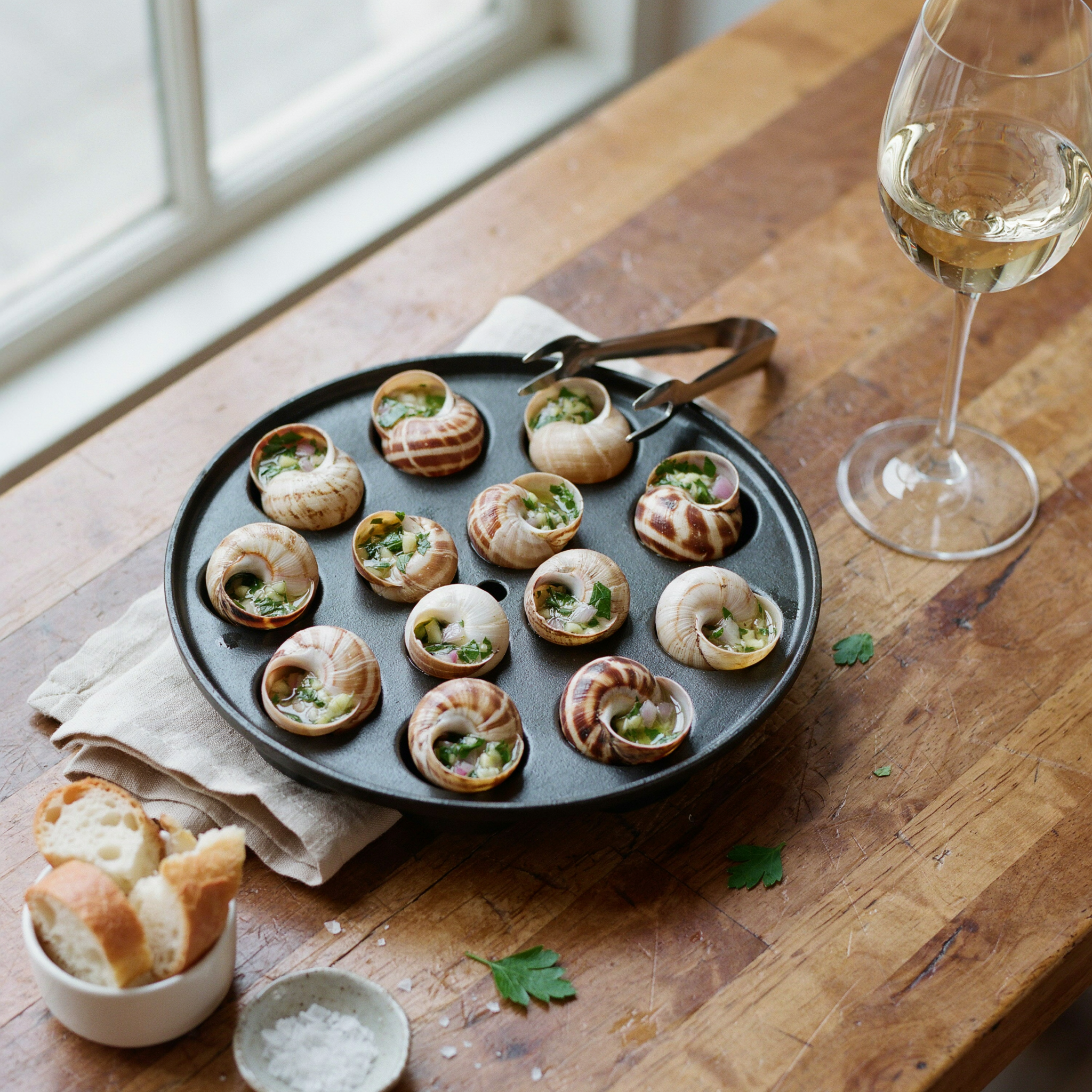
    Escargots de Bourgogne are cooked snails traditionally served with a generous mixture of butter, garlic and parsley. The snails themselves have a mild flavour and firm, tender texture, while the herb-filled butter provides most of the dish's familiar richness. They are usually served hot, often in their shells or in a dedicated escargot dish, and are eaten with a small fork or pick. Although they are strongly associated with French cuisine and frequently appear on Paris menus, their name tells you where the tradition comes from: Burgundy. In Paris, they are best understood as part of the wider French regional cuisine that has long been represented in the capital.

    • Iconic

    €9–€18 approx.

    0votes — sign in to vote
  • Soupe à l'Oignon

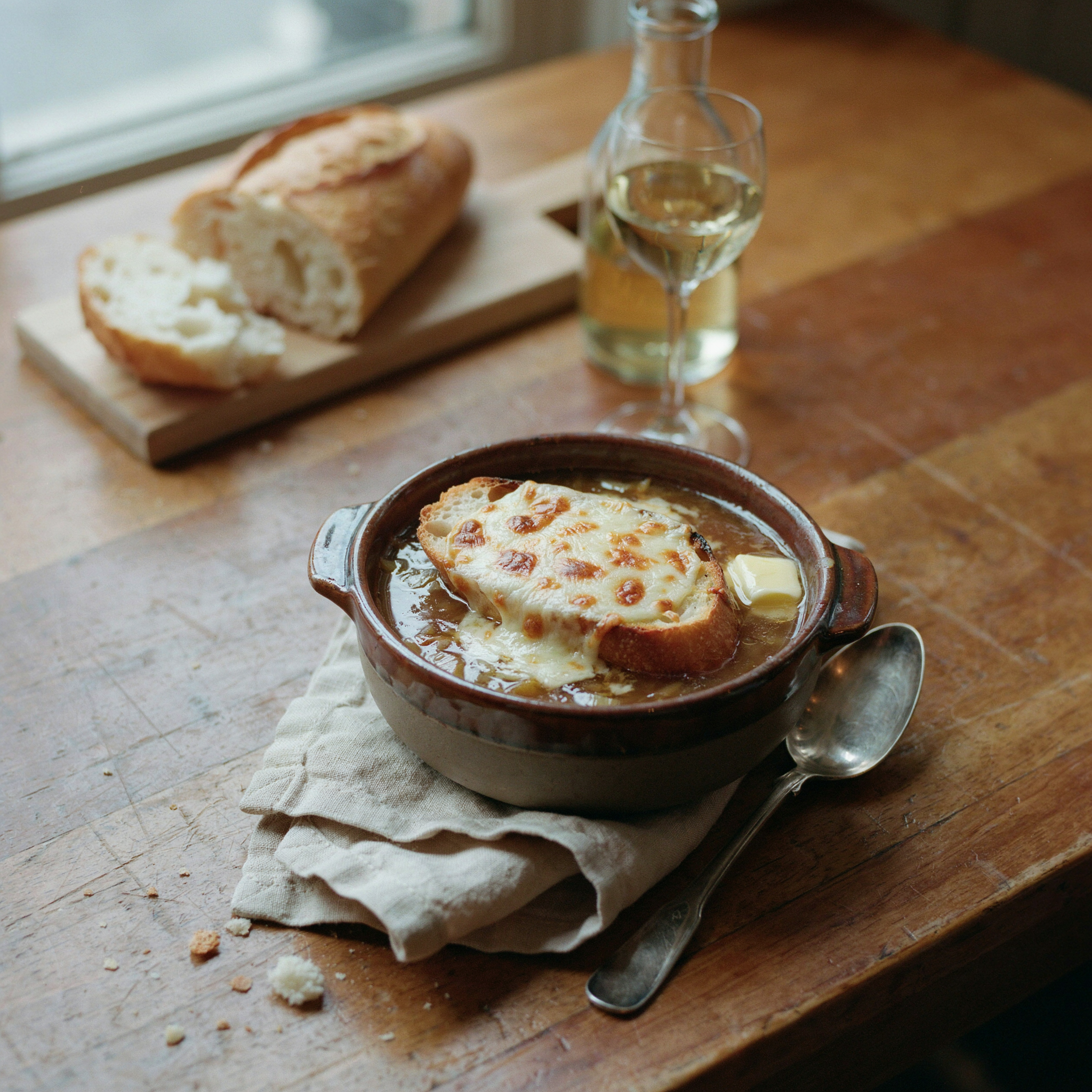
    Soupe à l'oignon is a deeply savoury French onion soup made by slowly cooking onions until they become soft, sweet and caramelized before combining them with broth. It is traditionally finished with toasted bread and grated cheese, then browned under the grill until the top becomes bubbling and golden. The result is much richer than its short ingredient list suggests. The sweetness of the slowly cooked onions balances the salty broth and melted cheese, while the toasted bread gives the soup texture. It is particularly satisfying on a cold evening and makes a good introduction to the comforting side of traditional Parisian brasserie cooking.

    • Iconic

    €8–€14 approx.

    0votes — sign in to vote
  • Macaron

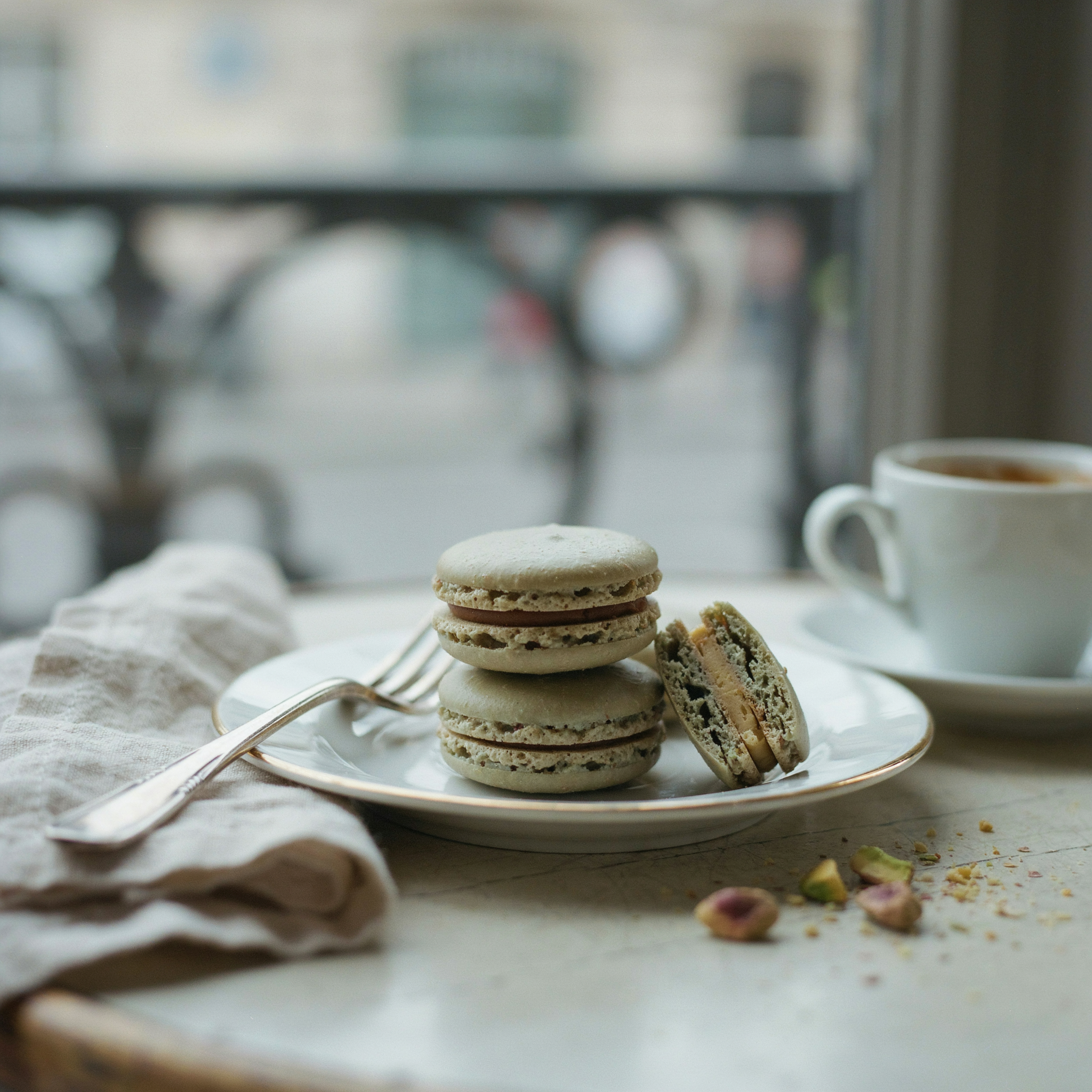
    The Parisian macaron is a small sandwich-style pastry made from two smooth almond meringue shells with a filling between them. The shells are delicate and slightly crisp on the outside while remaining softer inside, with fillings ranging from chocolate and pistachio to fruit, caramel and more elaborate combinations. Paris has become particularly associated with the modern macaron, where pastry houses treat the small dessert as both a traditional sweet and a vehicle for new flavours. For a visitor, macarons work particularly well as a small tasting experience: choose a few different flavours rather than treating them like a single large dessert.

    • Iconic
    • Street food
    • Vegetarian
    • Sweet

    €2–€3.50 approx.

    0votes — sign in to vote
  • Croissant

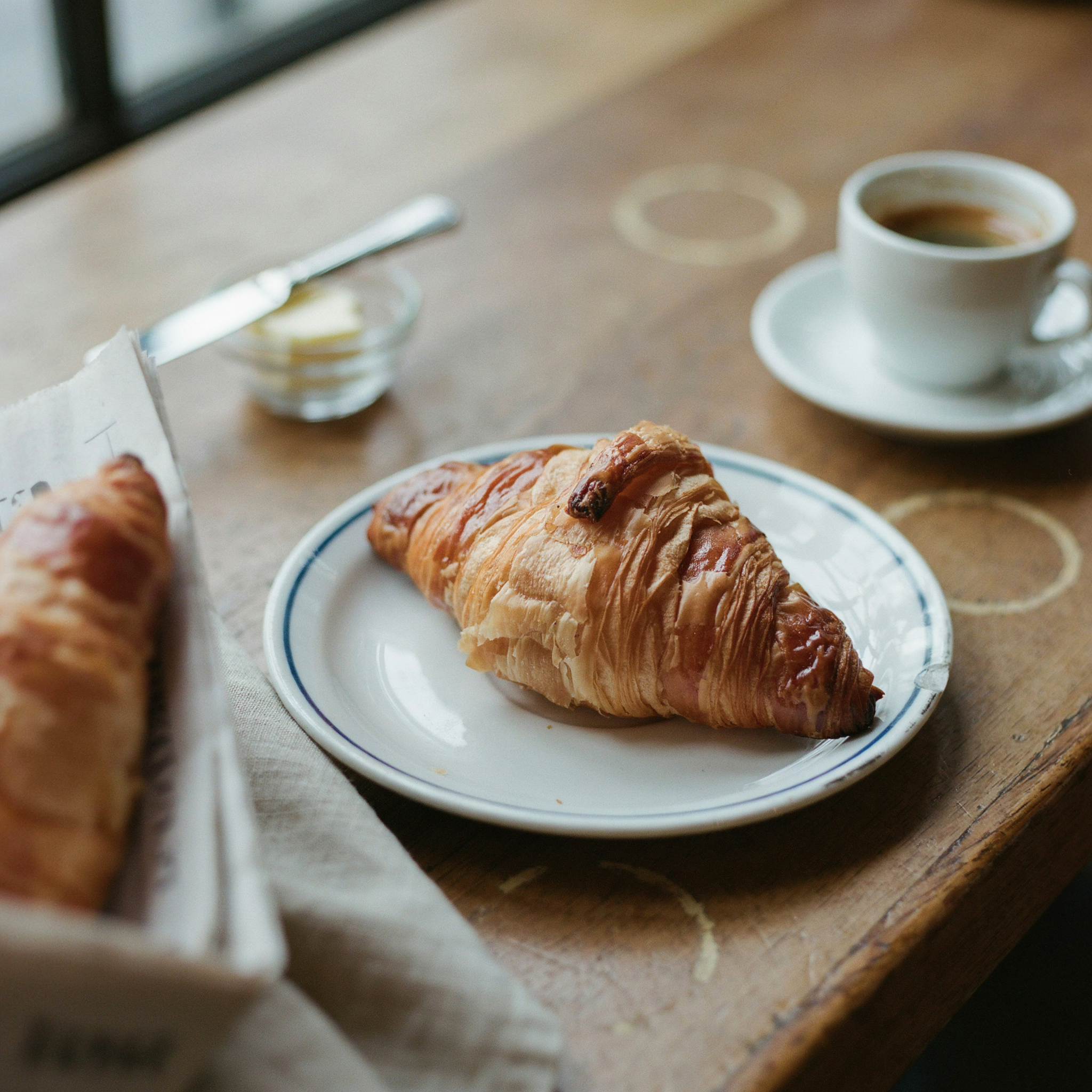
    The croissant is the classic French viennoiserie: a laminated pastry made by folding butter into yeast dough repeatedly before baking it until the layers become crisp, golden and flaky. Inside, a properly baked croissant should be light and layered rather than dense, with a buttery aroma and a delicate crunch. In Paris, the croissant is closely associated with the everyday rhythm of bakeries and breakfast. It can be eaten on its own, alongside coffee, or as part of a simple morning stop before exploring the city. The difference between an average croissant and a great one is often found in the pastry itself: visible layers, crisp edges and a soft, airy interior.

    • Iconic
    • Street food
    • Vegetarian

    €1.20–€2.50 approx.

    0votes — sign in to vote
  • Steak Frites

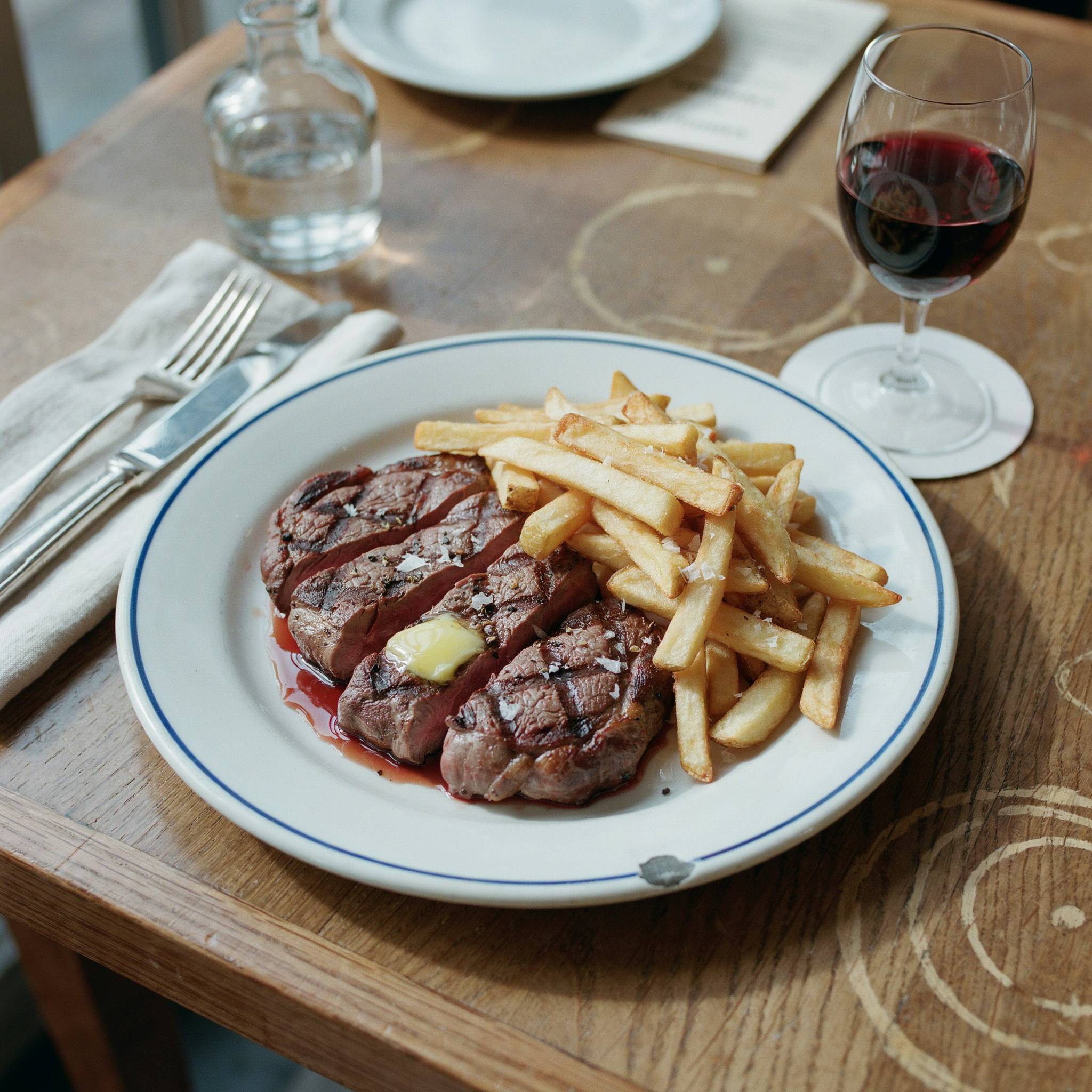
    Steak frites is one of the great Parisian bistro combinations: a simply cooked steak served with a generous portion of golden fries. The appeal is in the contrast between a well-seared piece of beef and crisp, properly cooked potatoes, often accompanied by a simple sauce or seasoned butter. There is no complicated formula to hide behind, which makes the dish a useful introduction to the French bistro style. The cut of steak, cooking level and quality of the fries can vary considerably from one address to another, so this is a dish where the execution matters more than an elaborate ingredient list.

    • Iconic

    €18–€32 approx.

    0votes — sign in to vote
  • Paris-Brest

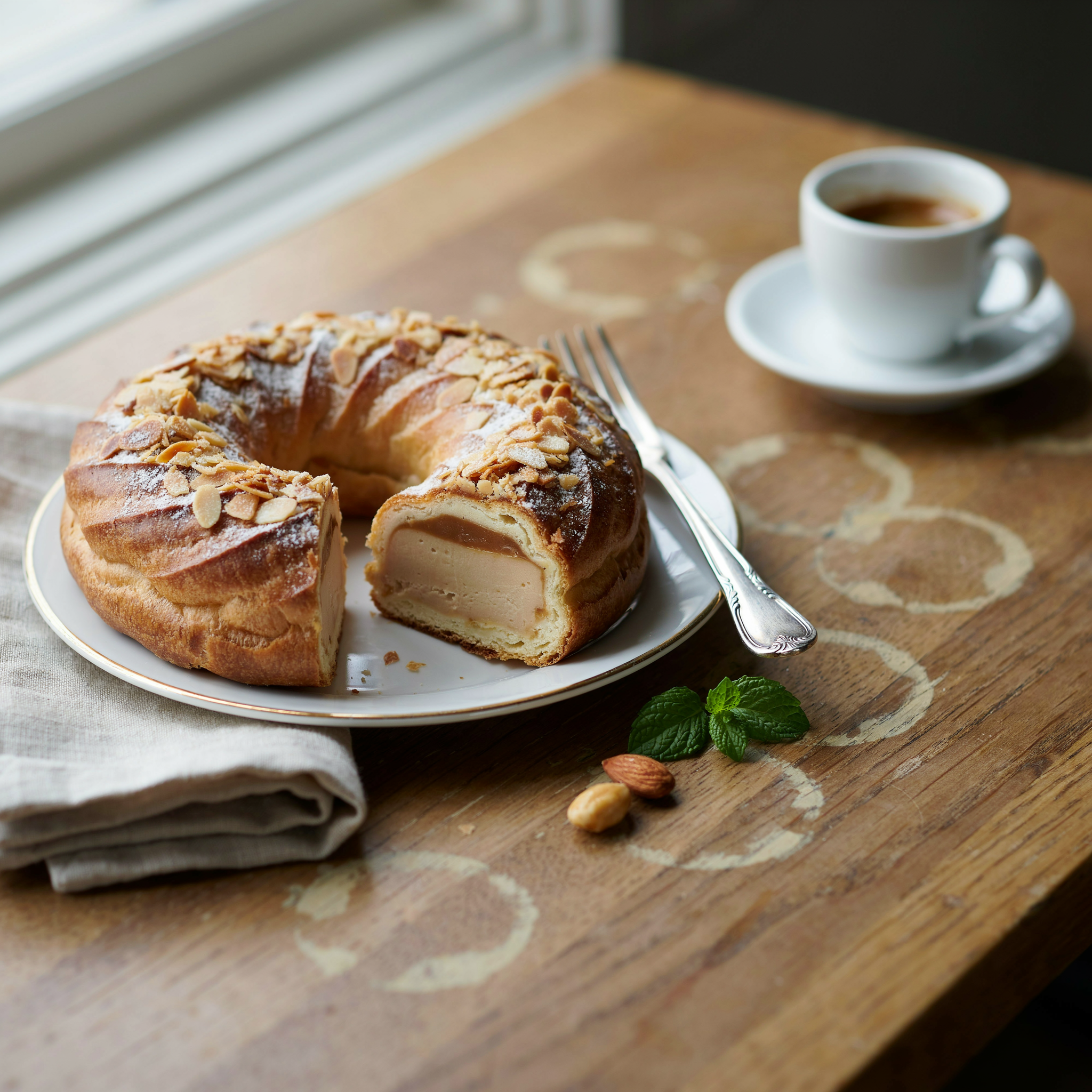
    Paris-Brest is a ring of choux pastry filled with praline-flavoured cream, usually finished with sliced or chopped almonds. The pastry is light but rich, with a crisp exterior giving way to a soft choux centre and a nutty, creamy filling. Despite its elegant appearance, the pastry has a surprisingly direct connection to cycling: its ring shape was created in the early twentieth century in the Paris region and was inspired by the Paris-Brest cycle race. Today it is a classic of French pâtisserie and a particularly fitting sweet to seek out in Paris.

    • Iconic
    • Vegetarian
    • Sweet

    €5–€9 approx.

    0votes — sign in to vote
  • Croque Monsieur

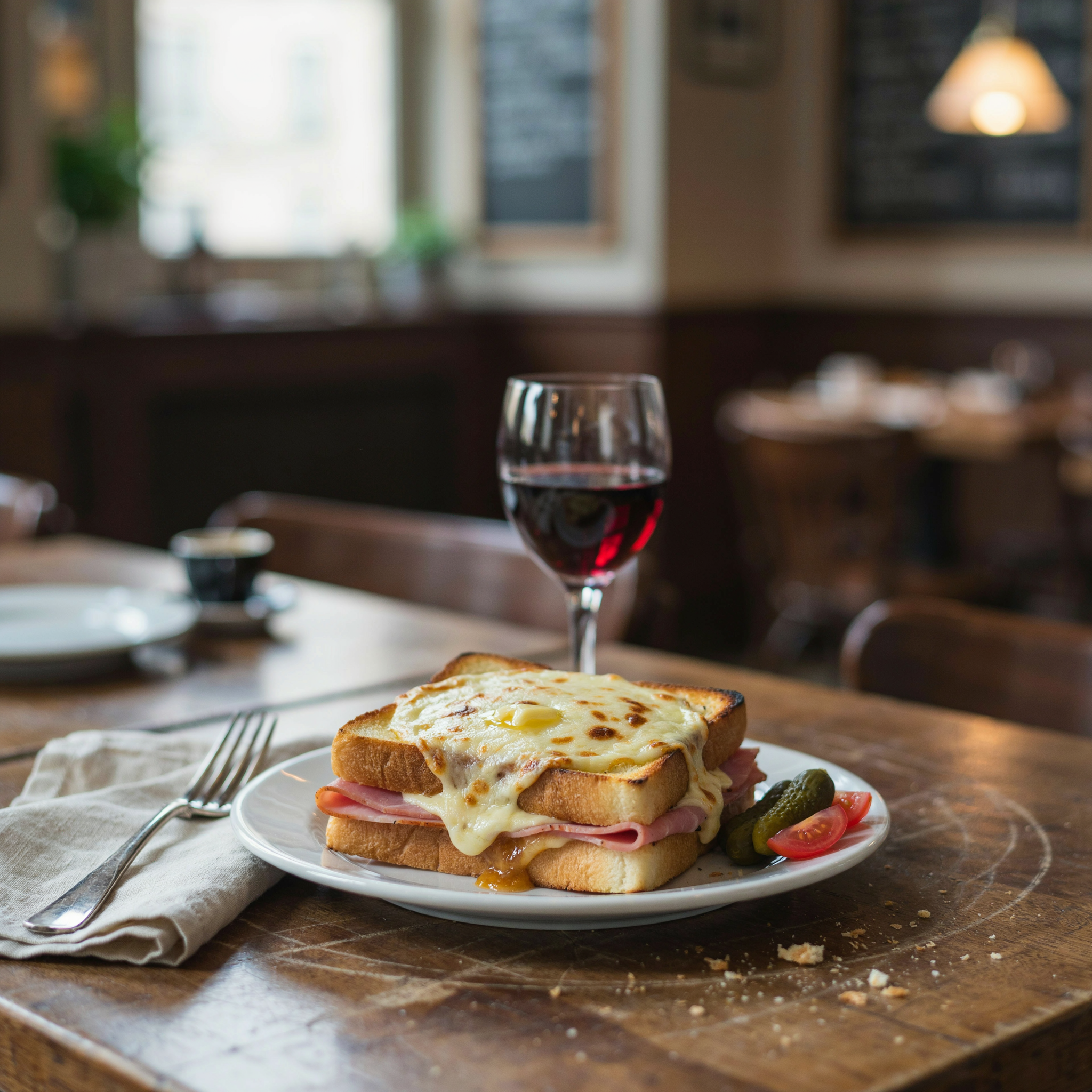
    A croque monsieur is a hot French sandwich made with ham and cheese between slices of bread, then toasted or baked until the cheese melts. Many café and bistro versions add béchamel or a cheese topping, creating a browned, creamy surface over the crisp bread. The best examples balance salty ham, nutty cheese and a soft center without becoming soggy. It is more substantial than a cold ham-and-cheese sandwich but less elaborate than a plated gratin, which helps explain its place on casual French menus. In Paris, the croque monsieur belongs to café and brasserie culture, where it can appear as a quick lunch, light dinner or simple meal with a salad. Recipes are not completely uniform: some use Gruyère, Comté or Emmental, and the amount of béchamel varies. The related croque madame adds an egg on top, usually fried, so the name matters when ordering. For travelers, it is a useful dish for understanding how French cafés turn familiar ingredients into something crisp, hot and carefully finished.

    • Iconic

    €8–€15 approx.

    0votes — sign in to vote
Prices are approximate and editorial. Always check locally before ordering.