Skip to content
thebitepassport
Dubai, United Arab Emirates

What to eat in Dubai

United Arab Emirates

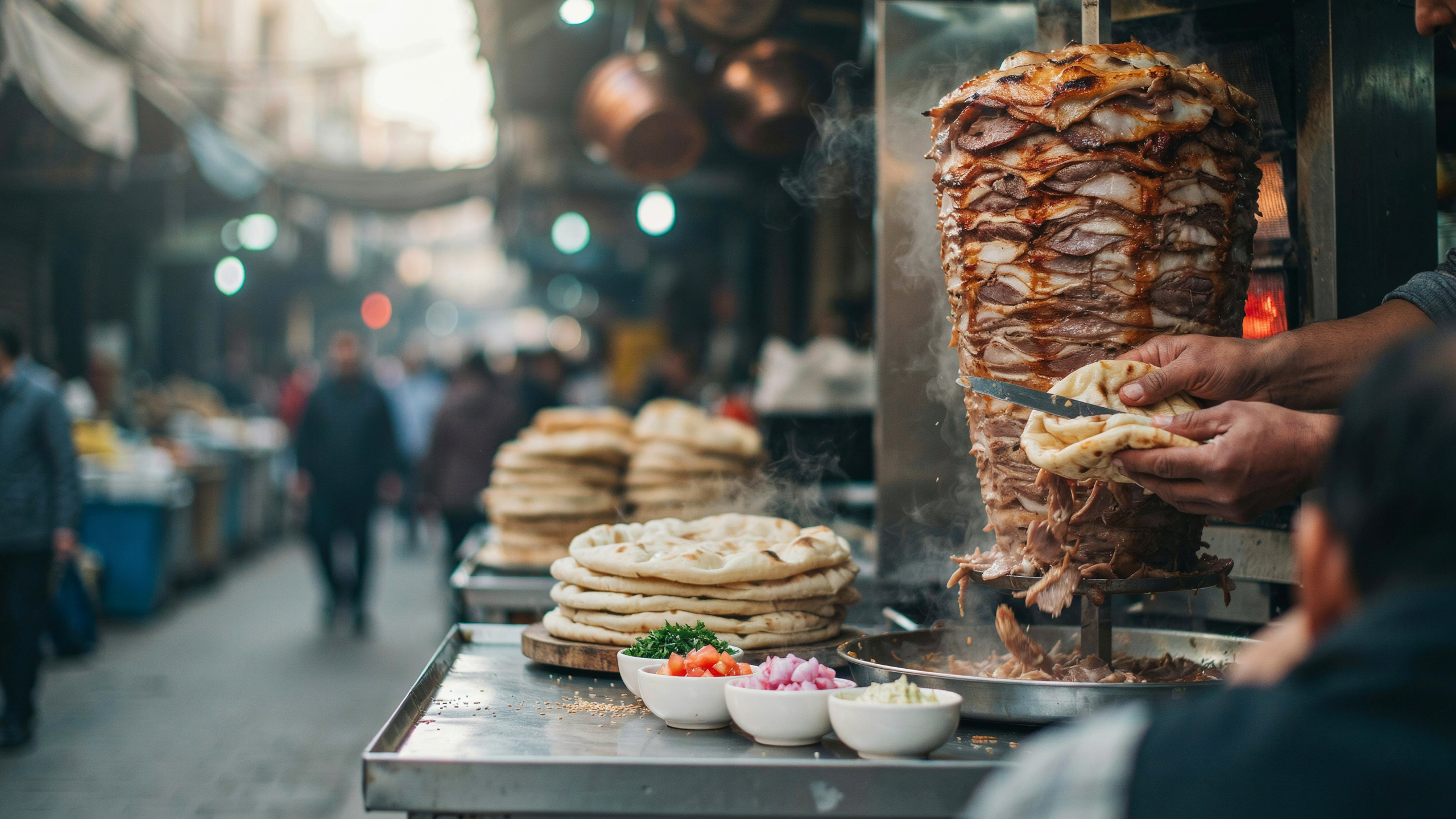
Dubai’s food culture is shaped by Emirati cooking, Gulf ingredients and the communities that have made the city home. Traditional dishes such as machboos, harees, thareed, saloona and luqaimat sit alongside South Asian, Persian, Levantine and East African food found across the city. That range is part of Dubai’s identity: a visitor can eat Emirati dishes in a heritage restaurant, pick up shawarma in Deira, visit a South Asian cafeteria in Bur Dubai or explore contemporary menus in newer neighborhoods.

For a useful first food day, combine one traditional meal with the city’s everyday casual food. Look for rice dishes, slow-cooked meat, flatbreads, dates and cardamom-scented sweets, then compare how they appear in family-style restaurants, markets and cafés. Emirati food is often associated with hospitality and sharing, so portions may be designed for a group rather than one diner. Dubai’s restaurant scene changes quickly and prices vary sharply by neighborhood, so check menus before ordering and ask whether a dish is genuinely Emirati or a broader regional specialty.

Start a Food Mission here

7 dishes found

  • Luqaimat

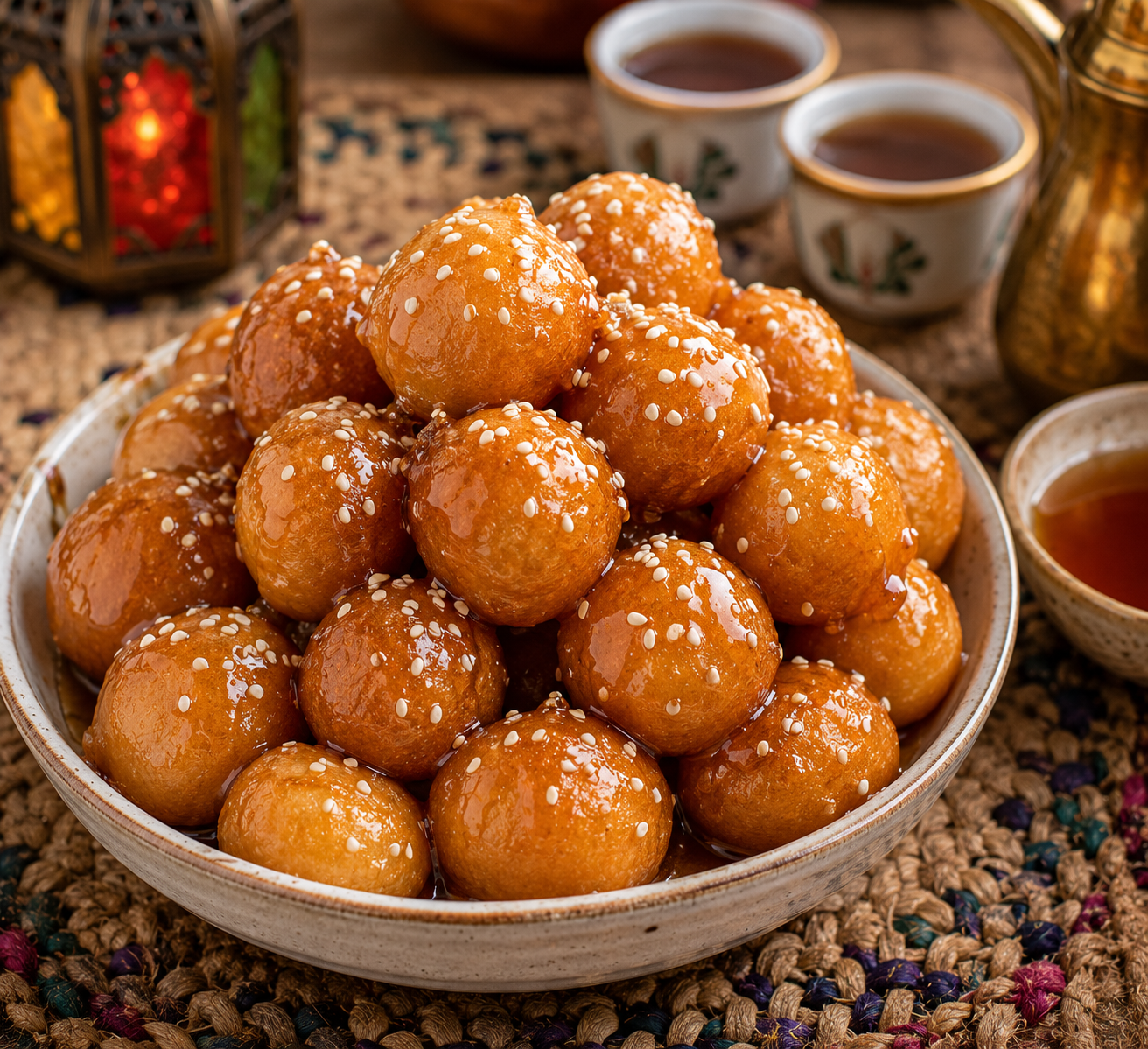
    Luqaimat are small Emirati dumplings made from a lightly yeasted batter, fried until golden and finished with date syrup, honey or sesame. Their outside should be crisp while the inside remains airy and soft, giving them a texture closer to a warm doughnut than a dense cake. Cardamom, saffron or sesame may add aroma, but the sweetness should not hide the fried dough. They are usually served in a bowl or piled on a plate for sharing. In Dubai, luqaimat appears at Emirati restaurants, Ramadan food stalls, cultural festivals and modern cafés. It is a useful introduction to local sweets because the portion is small and the flavors are familiar while still showing Gulf ingredients such as dates and saffron. Versions vary widely in topping and presentation, so ask what syrup is used and whether the pieces were fried recently. Their small size makes them easy to try even after a substantial meal.

    • Iconic
    • Street food
    • Vegan
    • Sweet

    AED 10–AED 25 approx.

    0votes — sign in to vote
  • Balaleet

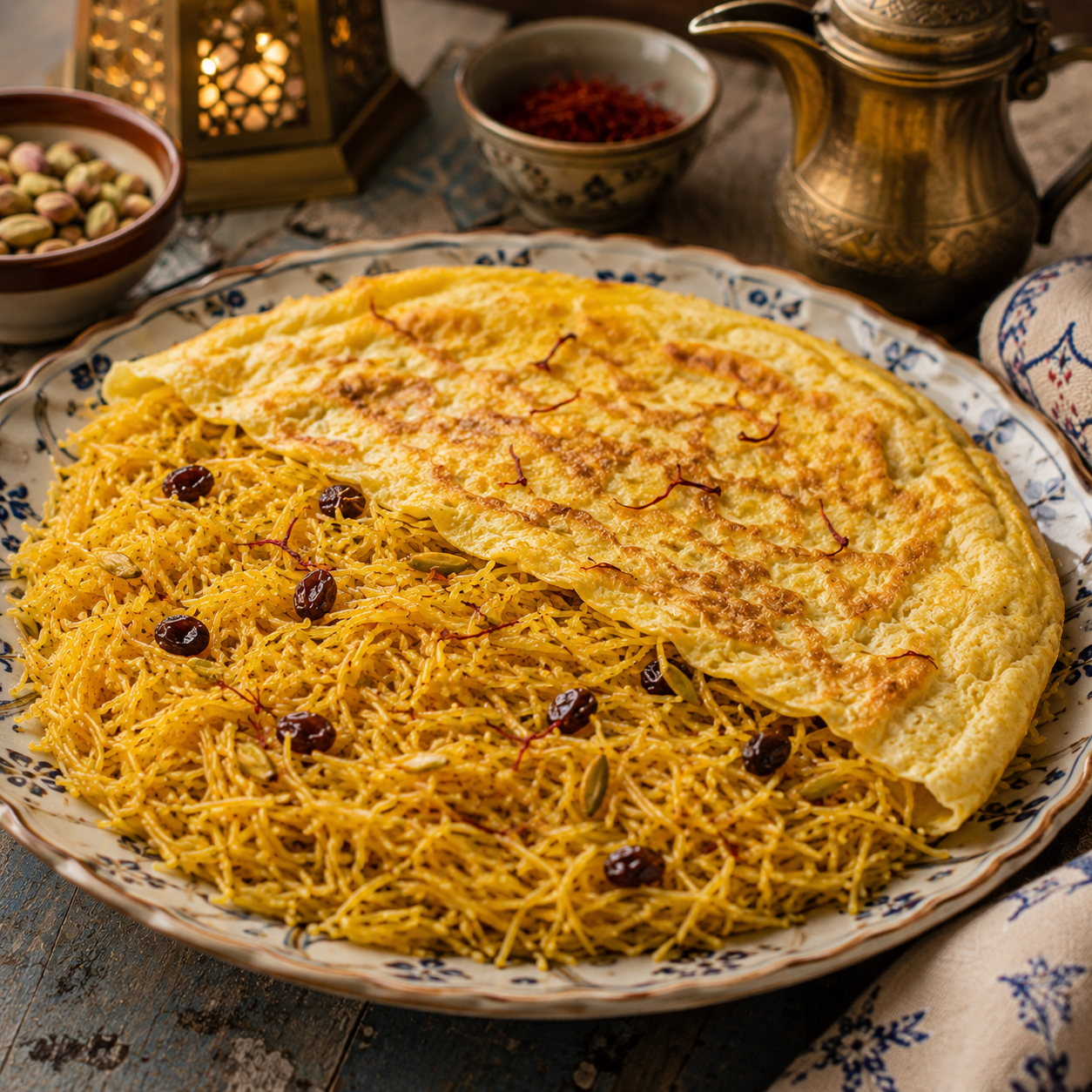
    This unique sweet and savory dish features thin vermicelli noodles infused with saffron, cardamom, and rose water. It is traditionally crowned with a thin, savory omelet that balances the sweetness of the noodles.

    • Iconic
    • Vegetarian
    • Sweet

    AED 15–AED 35 approx.

    0votes — sign in to vote
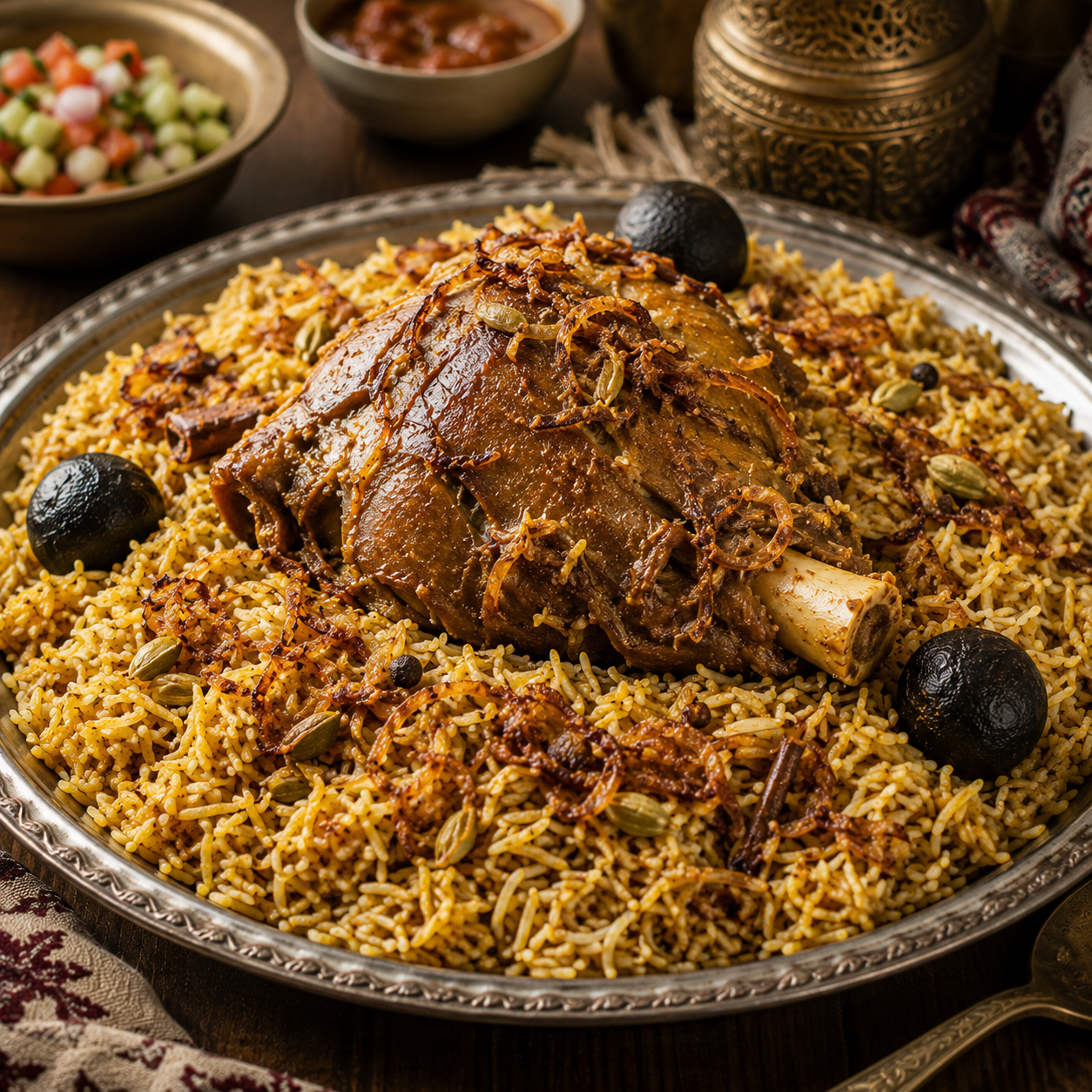
  • Khuzi

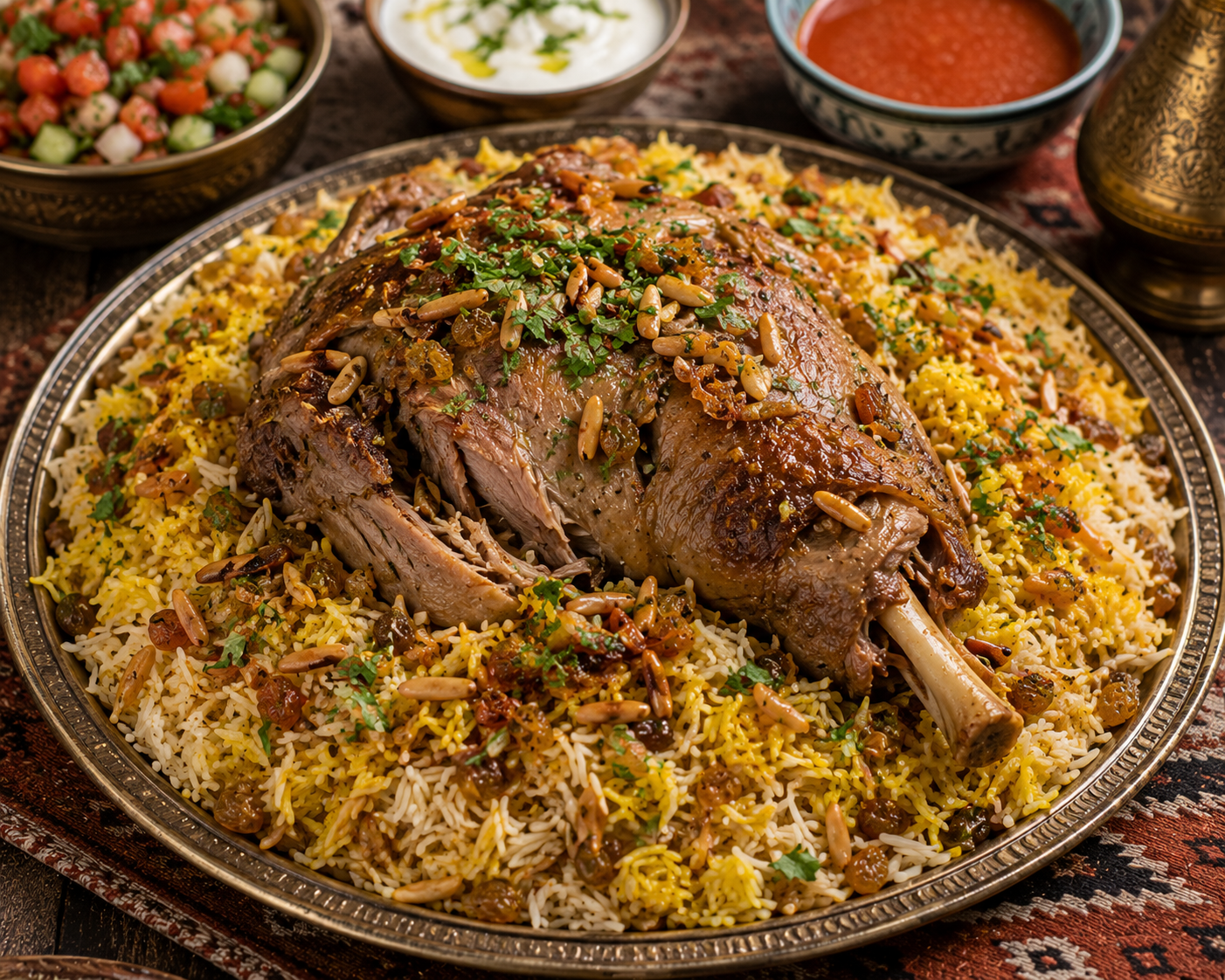
    Khuzi is a Gulf rice-and-meat platter built around slow-cooked or roasted meat served over seasoned rice. In Emirati preparations, a whole lamb or a large cut may be used for a communal presentation, while restaurant versions can offer smaller portions or substitute another meat. The rice is fragrant and savory, and accompaniments such as nuts, raisins, vegetables or sauces vary by cook. The contrast between tender meat and separate, aromatic grains is central to the dish, which is designed to be shared rather than eaten as a small snack. Khuzi is strongly associated with Emirati cuisine and sometimes described as a national dish, but that characterization is not an official or uncontested designation. In Dubai, it connects visitors with Gulf hospitality and the large-format meals served for family gatherings, celebrations and generous hosting. The city’s restaurants may present it in both traditional and modern settings, so the dish’s relationship here is cultural and regional rather than a claim that it was invented in Dubai. It matters to travelers because the serving style is part of the experience: rice, meat and company arrive together.

    • Iconic

    AED 60–AED 120 approx.

    0votes — sign in to vote
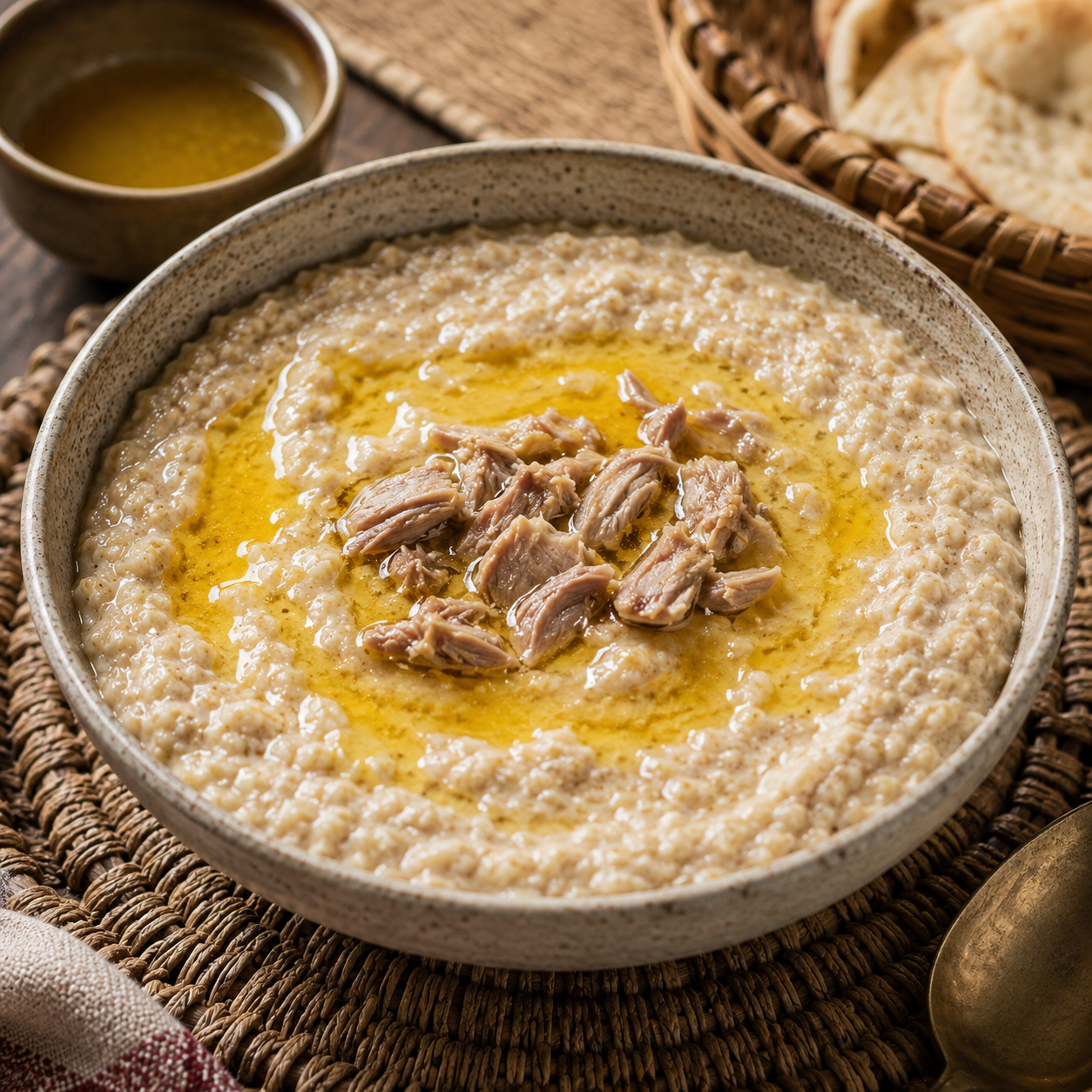
  • Al Harees

    This ancient dish features cracked wheat and meat slowly simmered and beaten together until they reach a smooth, porridge-like consistency. It is traditionally seasoned very simply with salt and topped with a drizzle of local ghee.

    • Iconic

    AED 15–AED 40 approx.

    0votes — sign in to vote
  • Al Machboos

    This signature spiced rice dish is cooked in a fragrant broth infusing the grains with flavors of cardamom, cloves, cinnamon, and dried lime. It is typically served topped with tender chicken, meat, or fish and garnished with toasted nuts and raisins.

    • Iconic
    • Spicy

    AED 30–AED 70 approx.

    0votes — sign in to vote
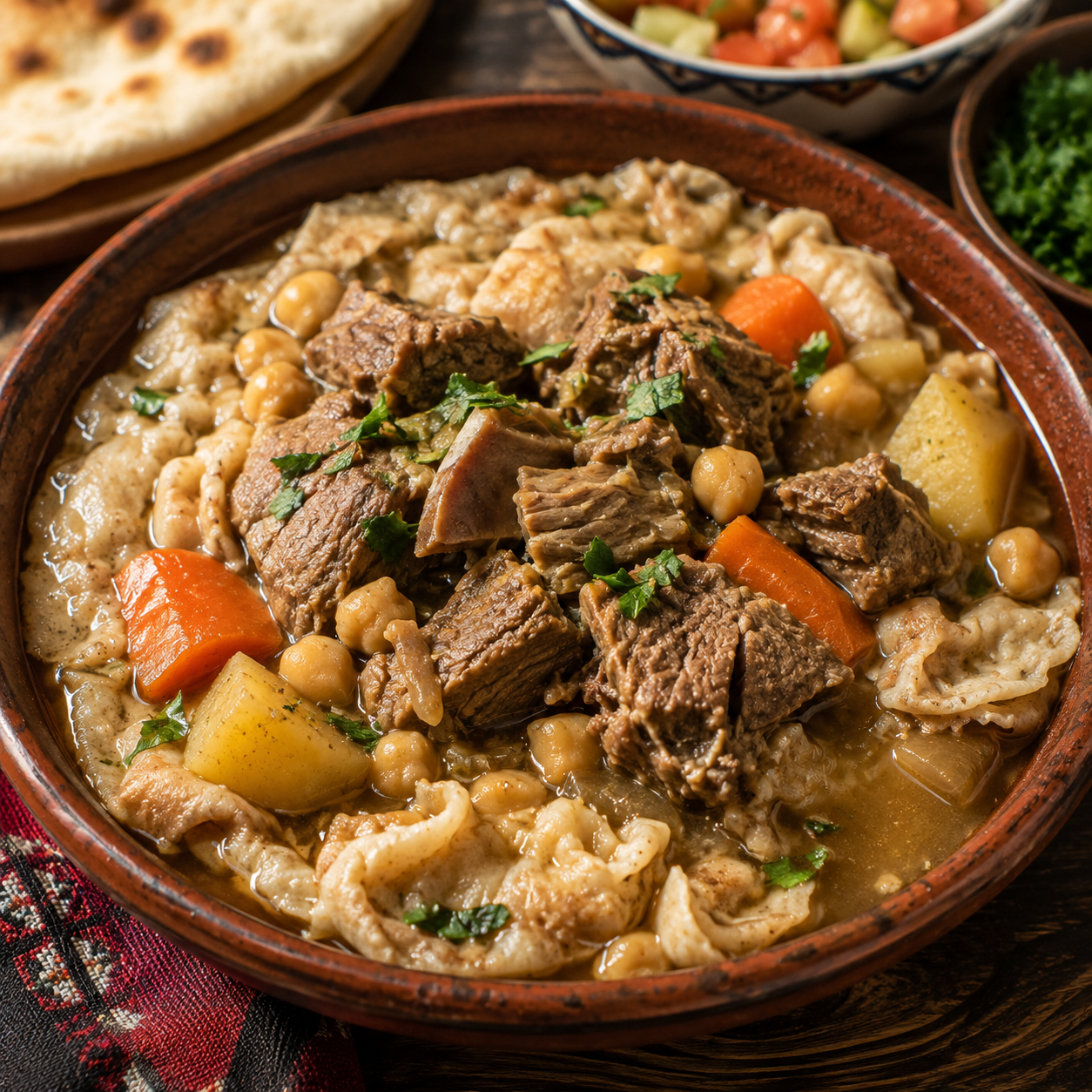
  • Tharid

    This slow-cooked stew of lamb and vegetables is layered over thin, crispy flatbread called Regag. As the stew sits, the flatbread absorbs the rich, spiced broth, softening into a delicious, savory pudding.

    • Iconic

    AED 35–AED 75 approx.

    0votes — sign in to vote
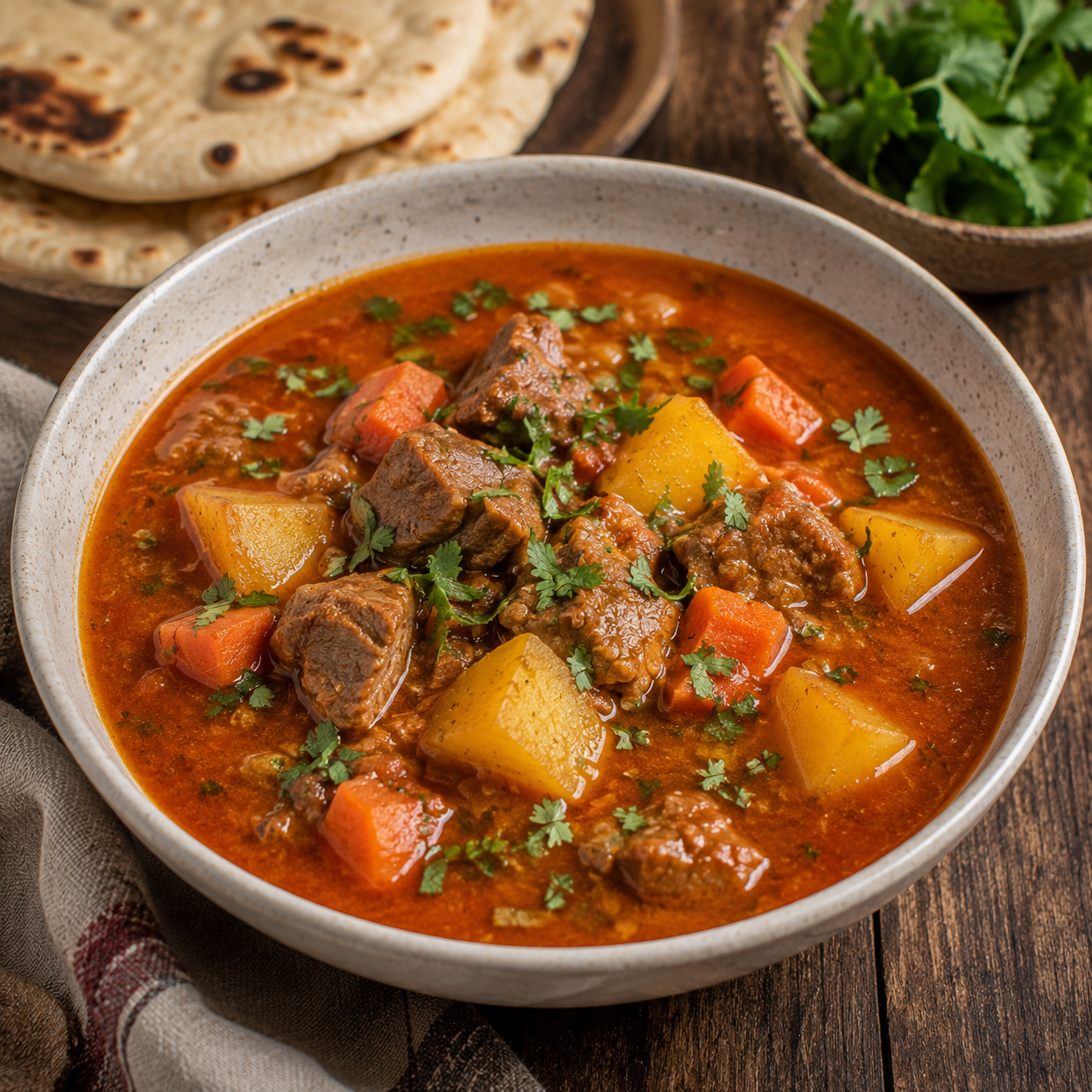
  • Saloona

    Saloona is a Gulf-style stew in which meat, chicken or fish is simmered with vegetables in a seasoned tomato-based broth. Common additions include potato, carrot, courgette, onion and garlic, with spice blends varying from household to household. The finished dish is usually thinner than a thick curry: tender pieces and vegetables sit in a broth designed to be spooned over rice or eaten with bread. Its flavor can be gently spiced, savory and aromatic rather than aggressively hot, though individual recipes differ. In Dubai, saloona is best understood as part of the wider Emirati and Gulf home-cooking tradition, not as a single fixed national recipe. Families and restaurants adapt it according to the protein and vegetables available, and similar stews appear across the region under related names. That flexibility is useful context for travelers: a bowl or platter labeled saloona may not look identical from one kitchen to another. The dish is valued for being warming, practical and easy to serve to a household or group.

    • Spicy

    AED 25–AED 55 approx.

    0votes — sign in to vote

Prices are approximate and editorial. Always check locally before ordering.