Skip to content
thebitepassport
Tokyo, Japan

What to eat in Tokyo

Japan

Tokyo is a city of specialists: one counter for sushi, one for ramen, one for tempura, each shaped by years of practice and attention to detail. But the city's food culture goes far beyond its famous restaurants. Tiny noodle shops, yakitori counters, neighborhood cafés, market stalls and traditional dessert shops all form part of the everyday experience of eating in Tokyo.

If it's your first time, don't try to reduce Tokyo's food scene to a checklist of famous dishes. Have sushi or tempura when you want a more focused meal, but also make time for ramen, soba, yakitori and inexpensive rice bowls. Tokyo's local specialties are equally interesting: monjayaki connects directly to the shitamachi neighborhoods, while sweets such as ningyo-yaki and anmitsu offer a different side of the city's culinary history. The best way to eat Tokyo is to experience that range — from highly refined cooking to quick food eaten at a counter.

Start a Food Mission here

13 dishes found

  • Edomae Sushi

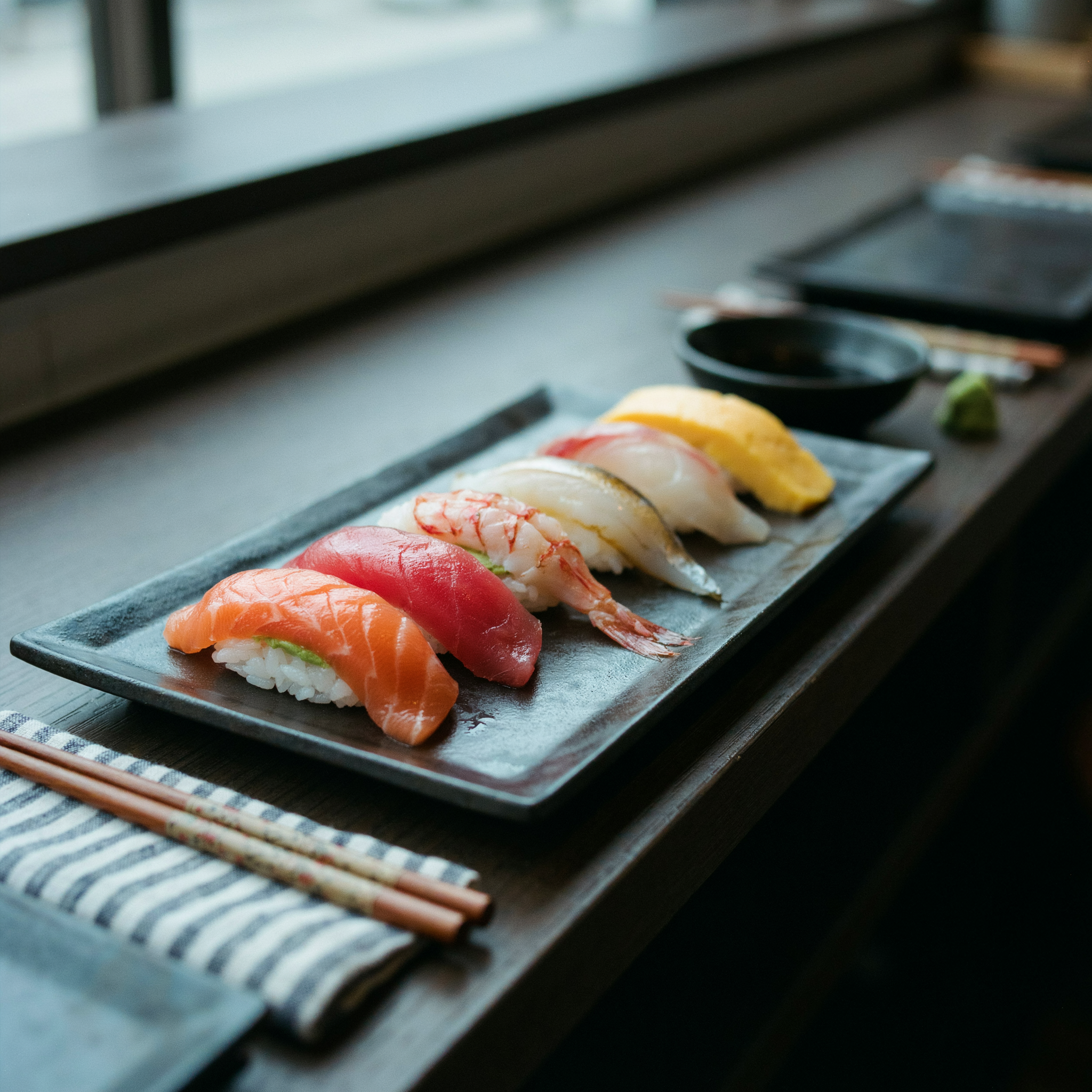
    Edomae sushi is the Tokyo style of sushi, traditionally associated with the city's former name, Edo. It developed around the use of seafood from Tokyo Bay and became known for carefully prepared fish served over seasoned vinegared rice. Pieces are generally made and served individually, putting attention on the quality of the fish, the rice and the balance between them. Compared with the idea of sushi as a generic Japanese food, Edomae sushi is specifically tied to Tokyo's culinary history. Traditional techniques can include aging or curing fish, brushing pieces with sauce and adjusting the rice seasoning to complement each topping. It is a food where small details make a substantial difference.

    • Iconic
    • Seafood

    ¥2000–¥20000 approx.

    0votes — sign in to vote
  • Monjayaki

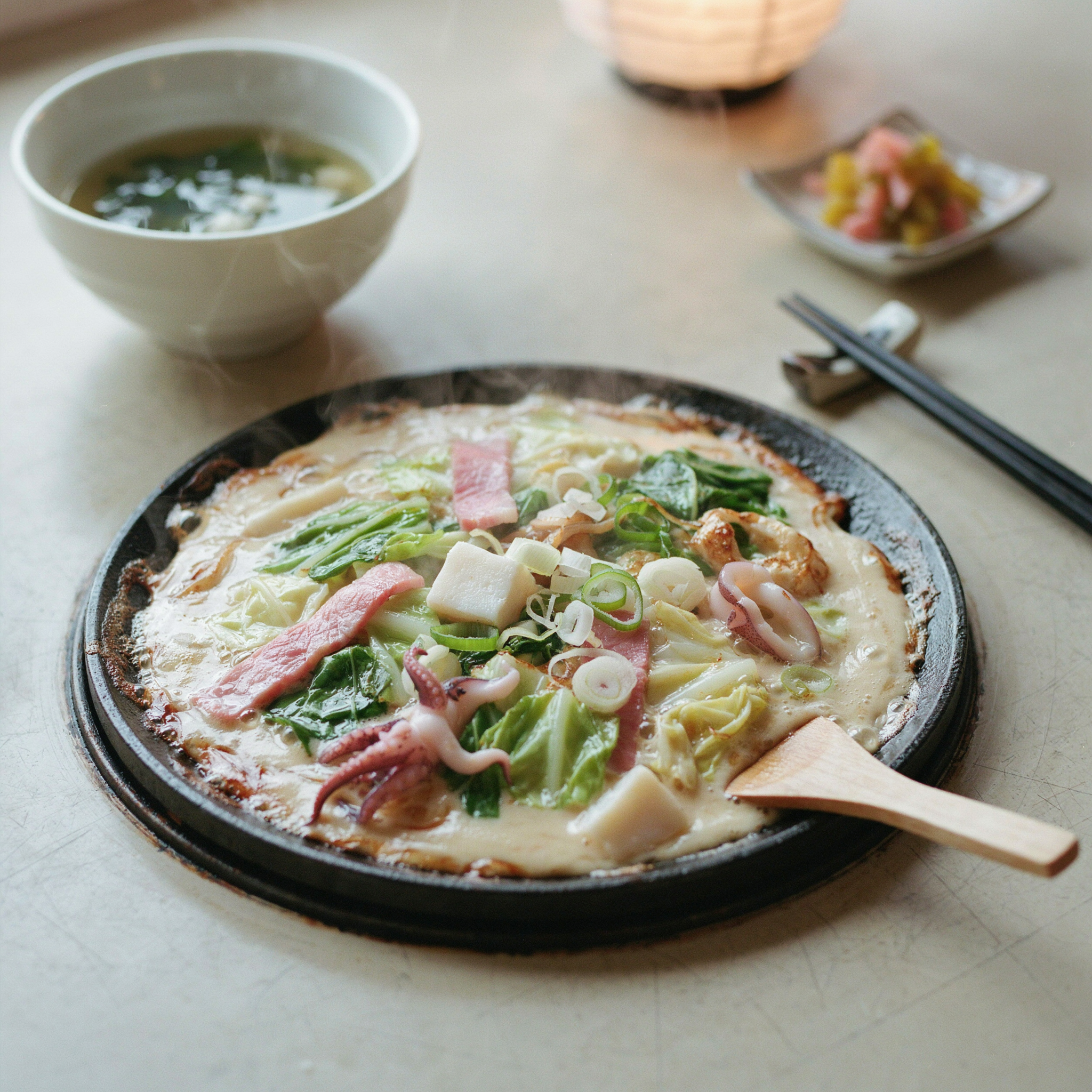
    Monjayaki is a Tokyo specialty made from a loose batter mixed with ingredients such as cabbage, seafood, meat or other toppings and cooked directly on a hot griddle at the table. Unlike the firmer okonomiyaki, monjayaki remains soft and almost molten in the centre, with caramelized edges developing as it cooks. It is particularly associated with Tokyo's shitamachi neighborhoods, especially Tsukishima, where dedicated monjayaki restaurants line the streets. The cooking is part of the experience: ingredients are arranged on the hot plate, mixed and gradually eaten as they cook, often using a small spatula.

    • Iconic

    ¥1200–¥2500 approx.

    0votes — sign in to vote
  • Ramen

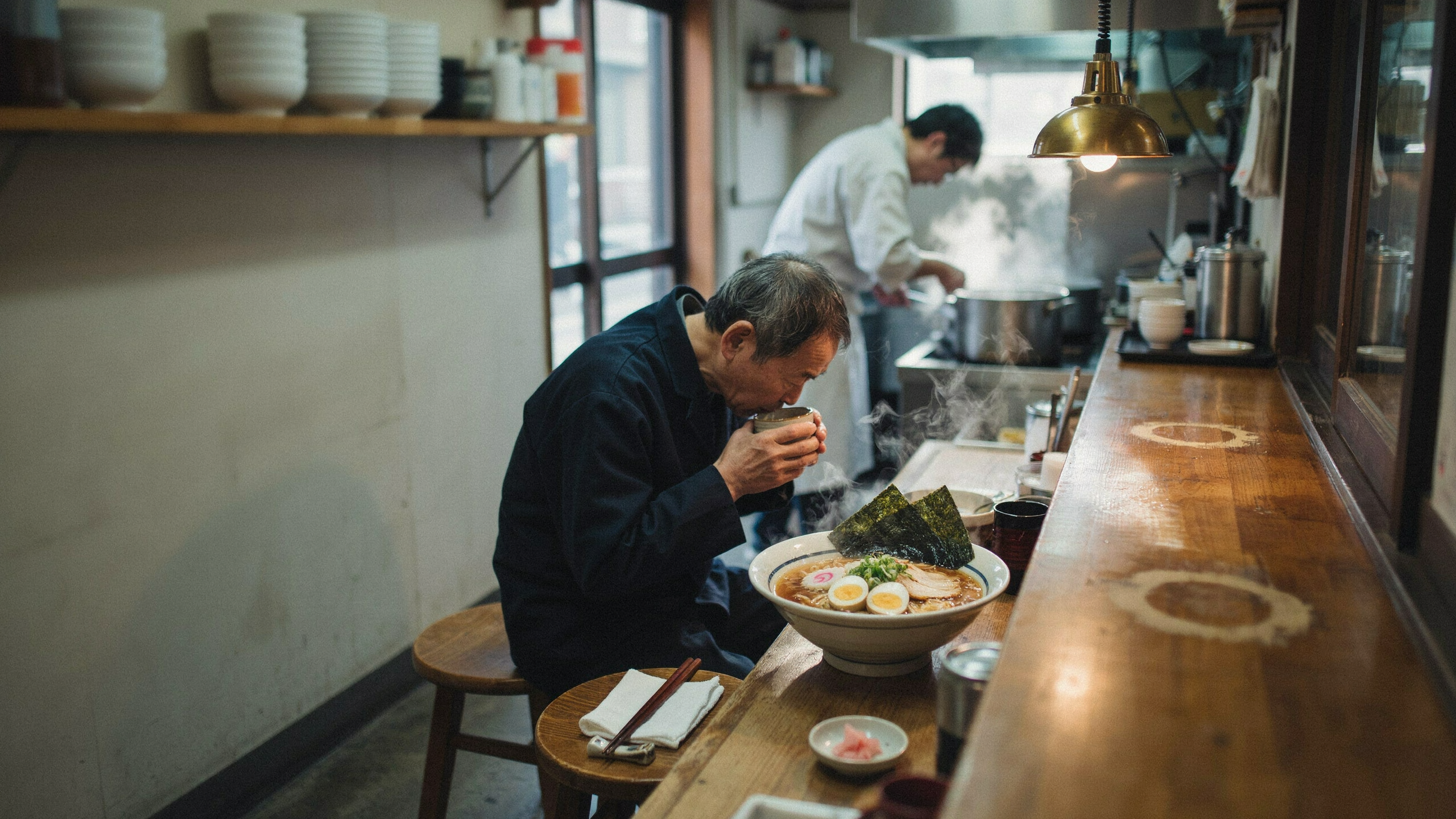
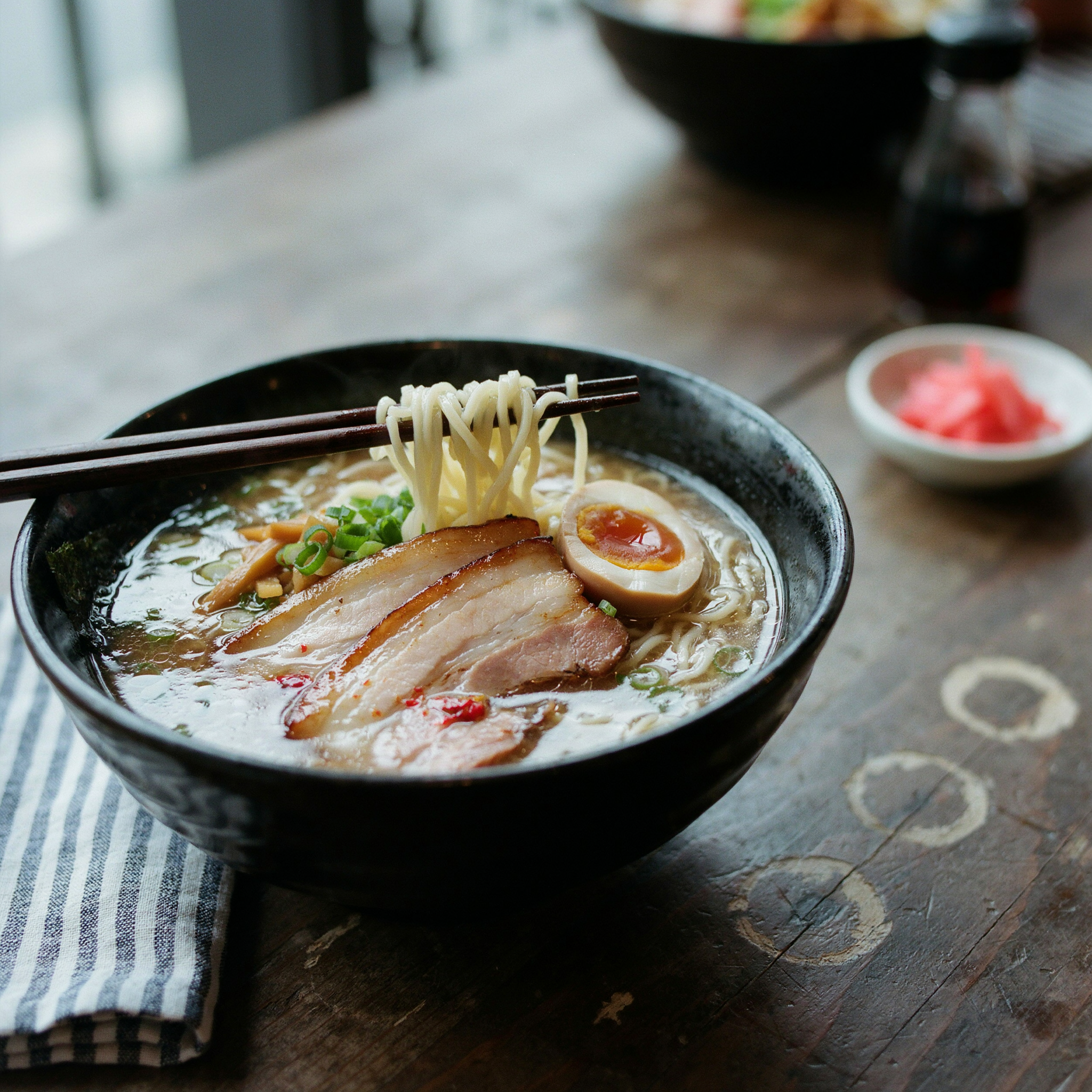
    Ramen is one of Tokyo's most accessible meals: wheat noodles served in a seasoned broth with toppings such as sliced pork, egg, seaweed and green onions. Tokyo has its own ramen traditions, but the city also brings together styles from across Japan, so two ramen shops can offer completely different bowls. The appeal is in the combination of noodles, broth and toppings rather than any single ingredient. Shoyu-based ramen has a particularly strong association with Tokyo, although modern shops offer everything from rich pork broths to lighter chicken and seafood preparations. A good bowl is usually designed to be eaten relatively quickly while the noodles and broth are at their best.

    • Iconic

    ¥800–¥1600 approx.

    0votes — sign in to vote
  • Soba

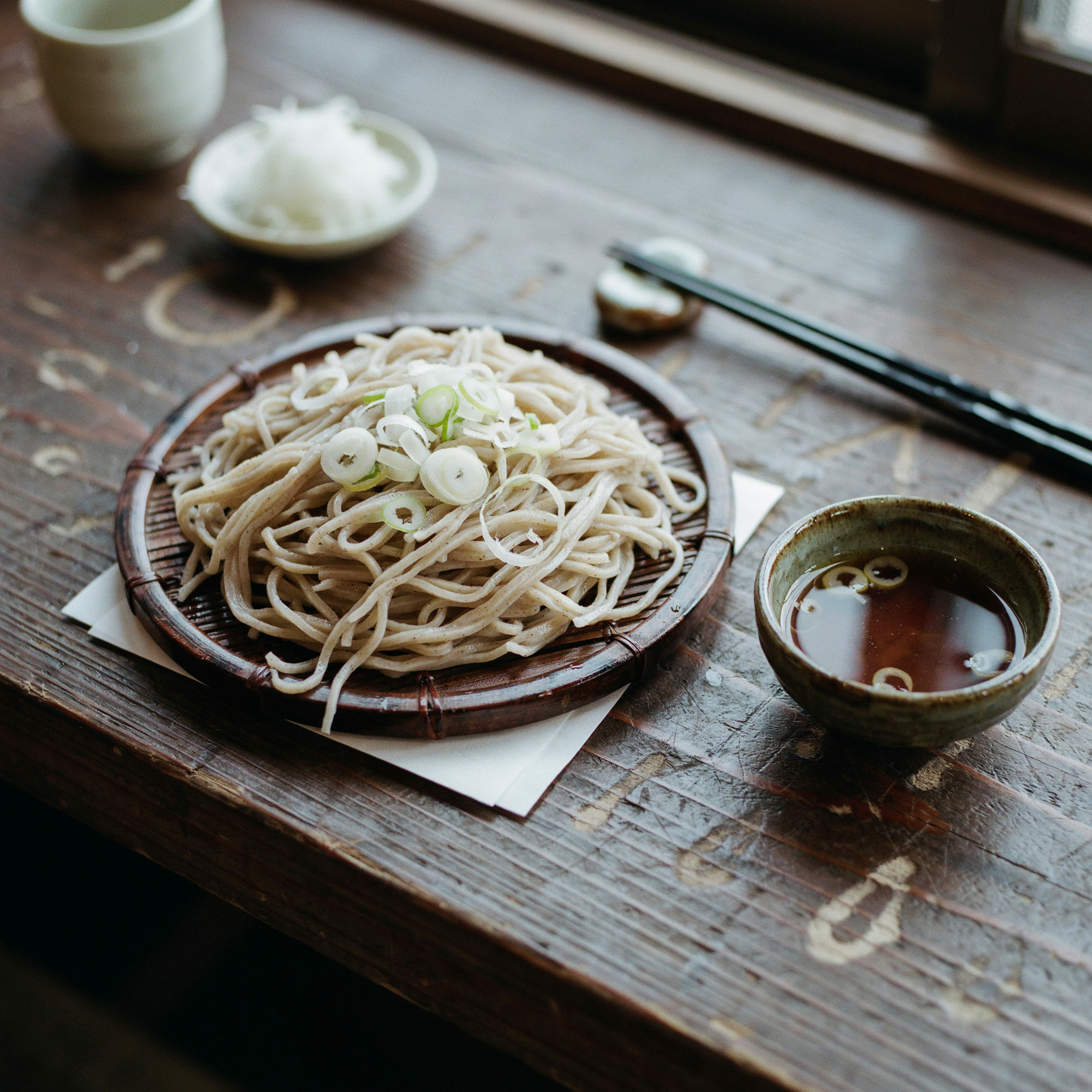
    Soba are Japanese noodles made primarily from buckwheat and served either cold with a dipping sauce or hot in a broth. Their flavour is more earthy and nutty than wheat noodles, and the texture should remain pleasantly firm rather than soft. Tokyo has a long association with soba, particularly as an everyday meal that can be eaten quickly at a neighborhood shop or enjoyed more deliberately at a specialist restaurant. Cold zaru soba offers a particularly clear way to appreciate the noodles themselves, while hot soba makes a comforting meal in colder weather.

    • Iconic
    • Vegetarian

    ¥700–¥1800 approx.

    0votes — sign in to vote
  • Tempura

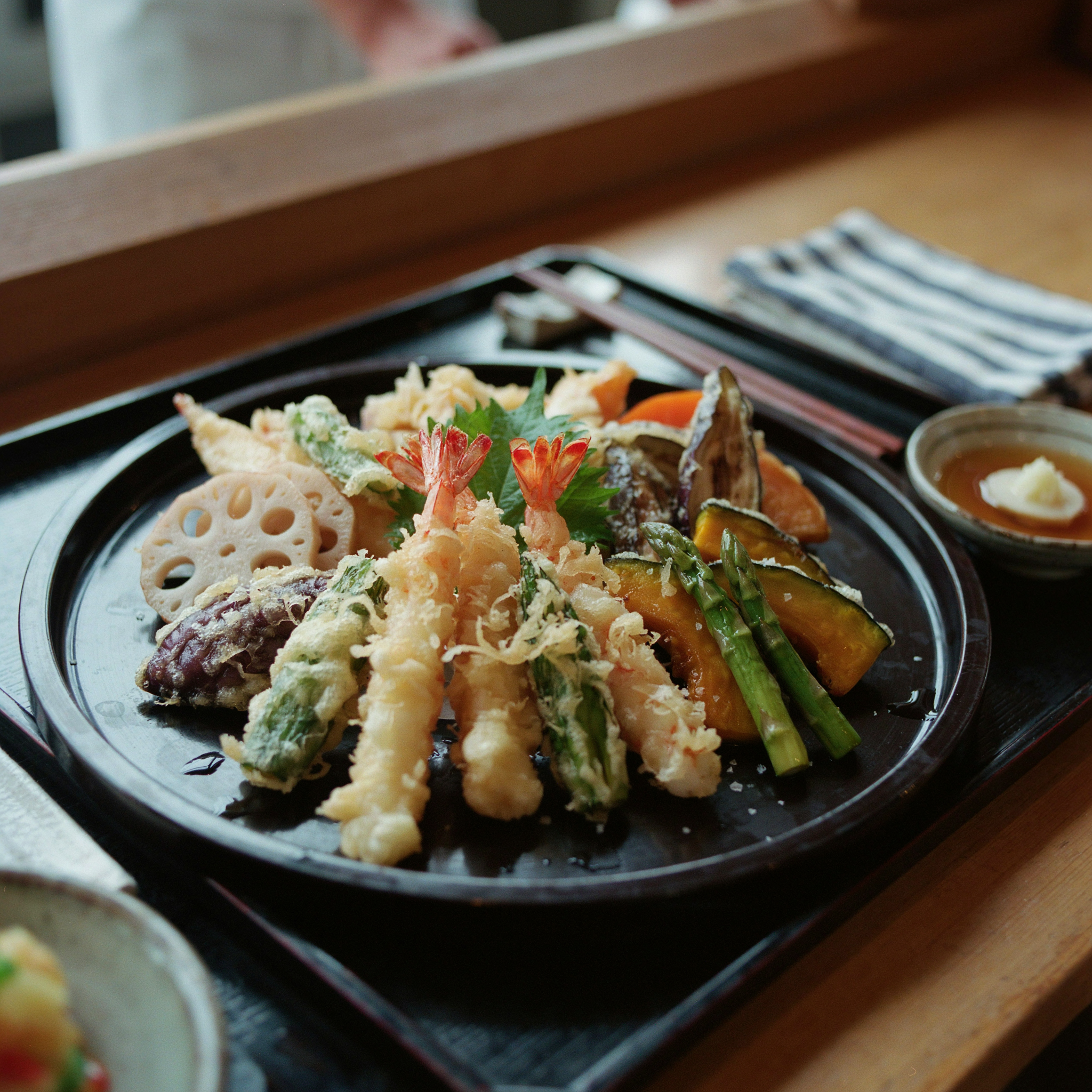
    Tempura consists of seafood and vegetables coated in a light batter and fried briefly at high heat. When done well, the coating is delicate and crisp rather than thick or greasy, allowing the ingredient underneath to remain the focus. Tokyo has a particularly strong tempura tradition, with specialist restaurants treating the frying process almost as a form of precision cooking. Ingredients are often fried one at a time and served immediately, making temperature and timing part of the experience.

    • Iconic
    • Seafood

    ¥1500–¥8000 approx.

    0votes — sign in to vote
  • Tonkatsu

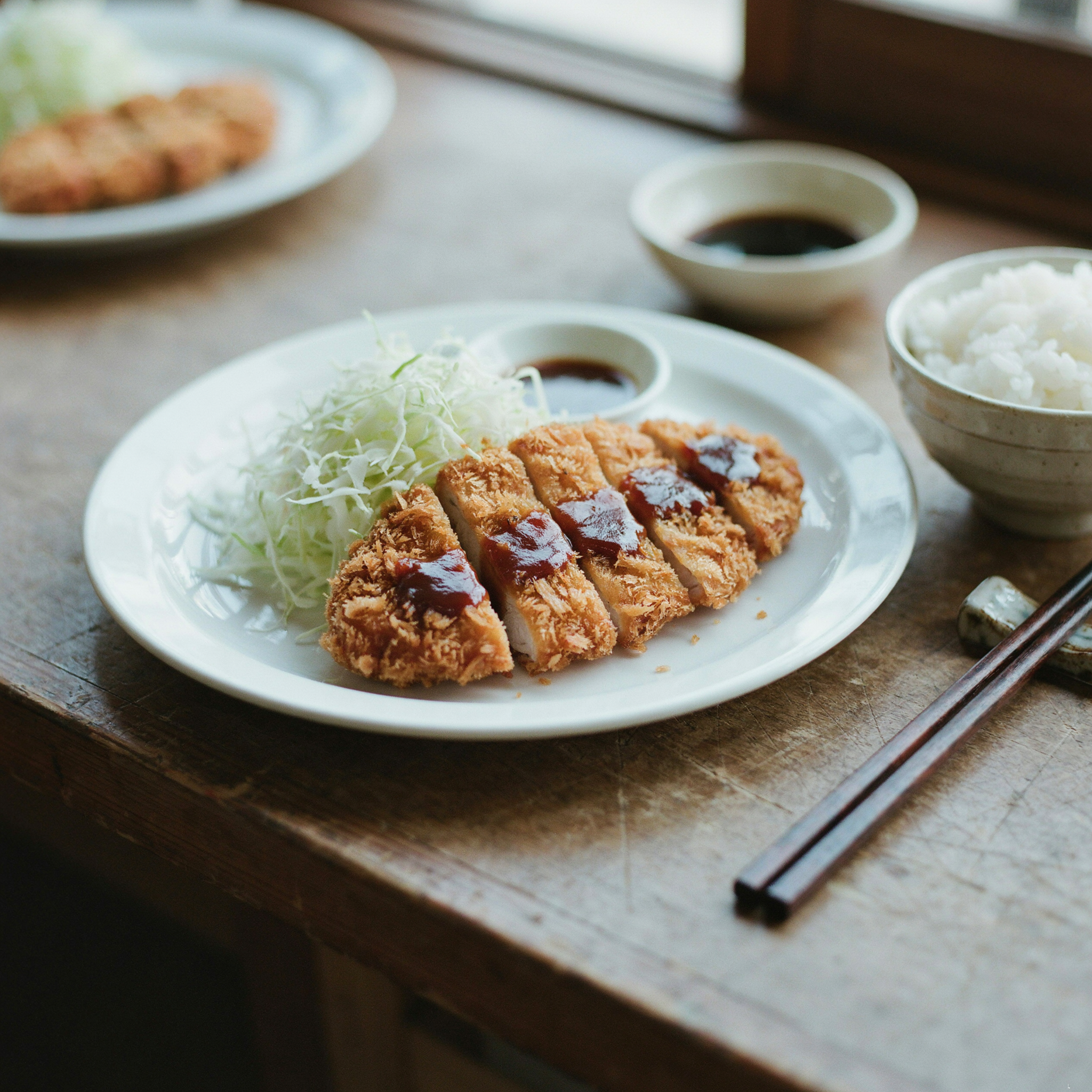
    Tonkatsu is a breaded pork cutlet fried until the coating becomes crisp and golden while the meat stays juicy inside. It is typically served with shredded cabbage, rice, miso soup and a thick, sweet-savory tonkatsu sauce. The dish is simple enough to be everyday food but has also developed a strong specialist culture in Tokyo. Restaurants may focus on particular cuts of pork, cooking temperatures and breadcrumb texture, making tonkatsu another example of Tokyo's ability to turn a familiar meal into a highly refined specialty.

    • Iconic

    ¥1200–¥3000 approx.

    0votes — sign in to vote
  • Yakitori

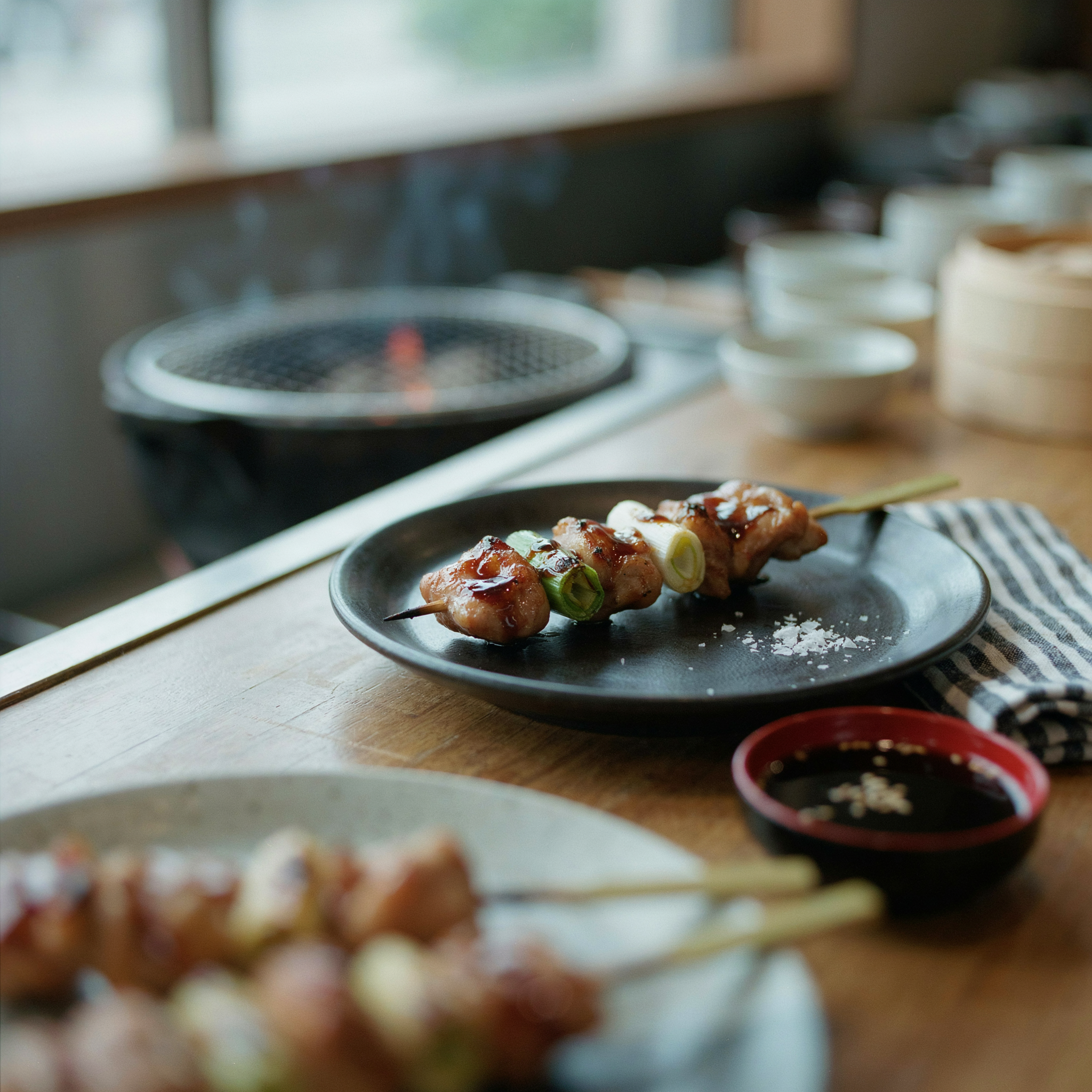
    Yakitori is chicken grilled over charcoal on skewers, with different parts of the bird prepared individually and seasoned either with salt or a sweet-savory tare sauce. Beyond the familiar breast and thigh, traditional yakitori shops may serve less common cuts, making the experience much broader than simply eating grilled chicken. In Tokyo, yakitori is closely associated with small counters, izakaya and informal evening meals. The cooking happens directly over the grill, and the aroma of charcoal is an important part of the experience. Ordering several skewers allows you to compare different cuts and seasonings without committing to a large meal.

    • Iconic
    • Street food

    ¥150–¥400 approx.

    0votes — sign in to vote
  • Gyudon

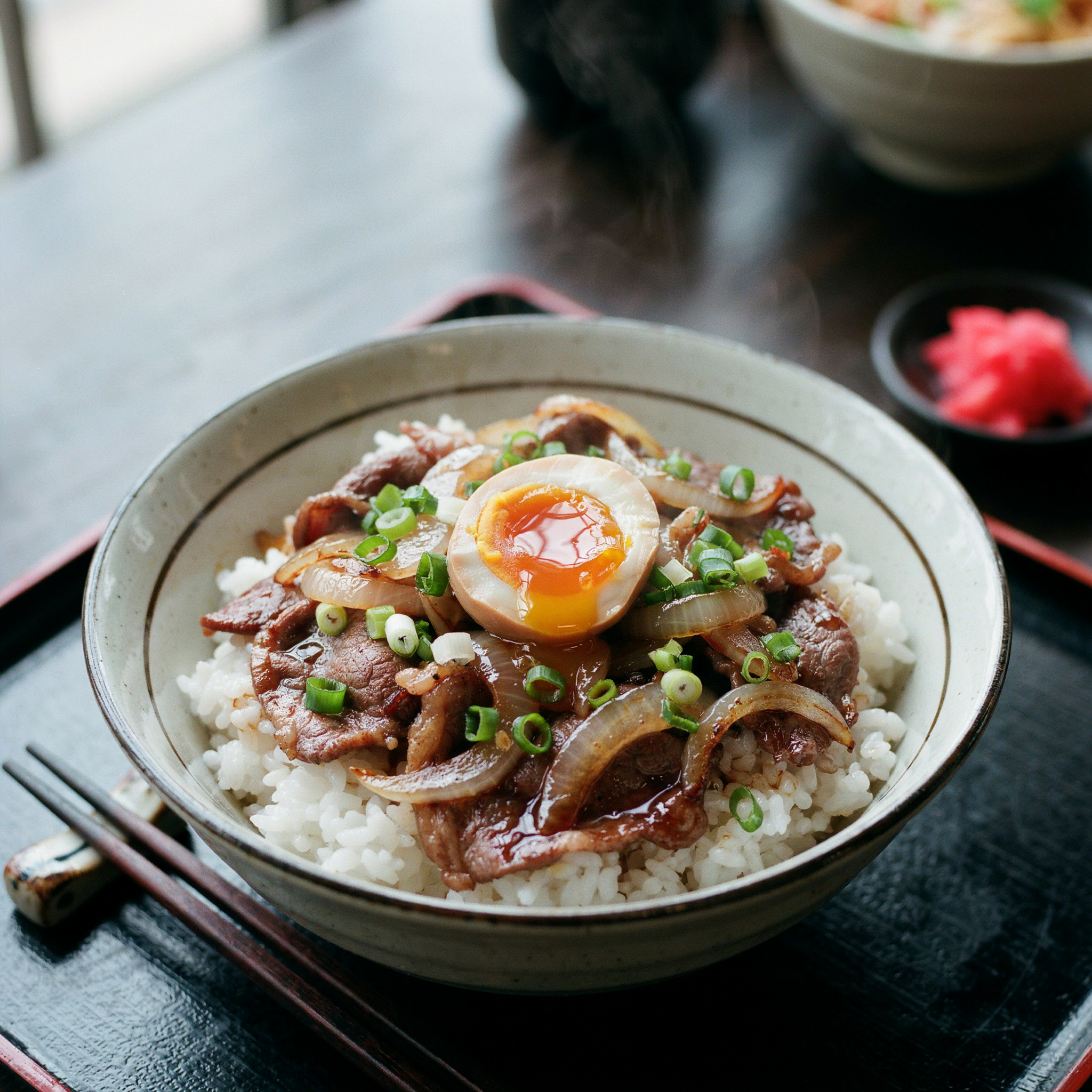
    Gyudon is a simple bowl of rice topped with thinly sliced beef and onions simmered in a sweet-savory broth made with ingredients such as soy sauce and mirin. It is usually served hot and can be finished with pickled ginger, an egg or other toppings. Unlike a formal sushi or tempura meal, gyudon represents the practical side of Tokyo eating: inexpensive, quick and satisfying. It is particularly useful for travelers because it can provide a substantial meal without requiring a long restaurant experience or a large budget.

    • Iconic

    ¥400–¥800 approx.

    0votes — sign in to vote
  • Ningyo-yaki

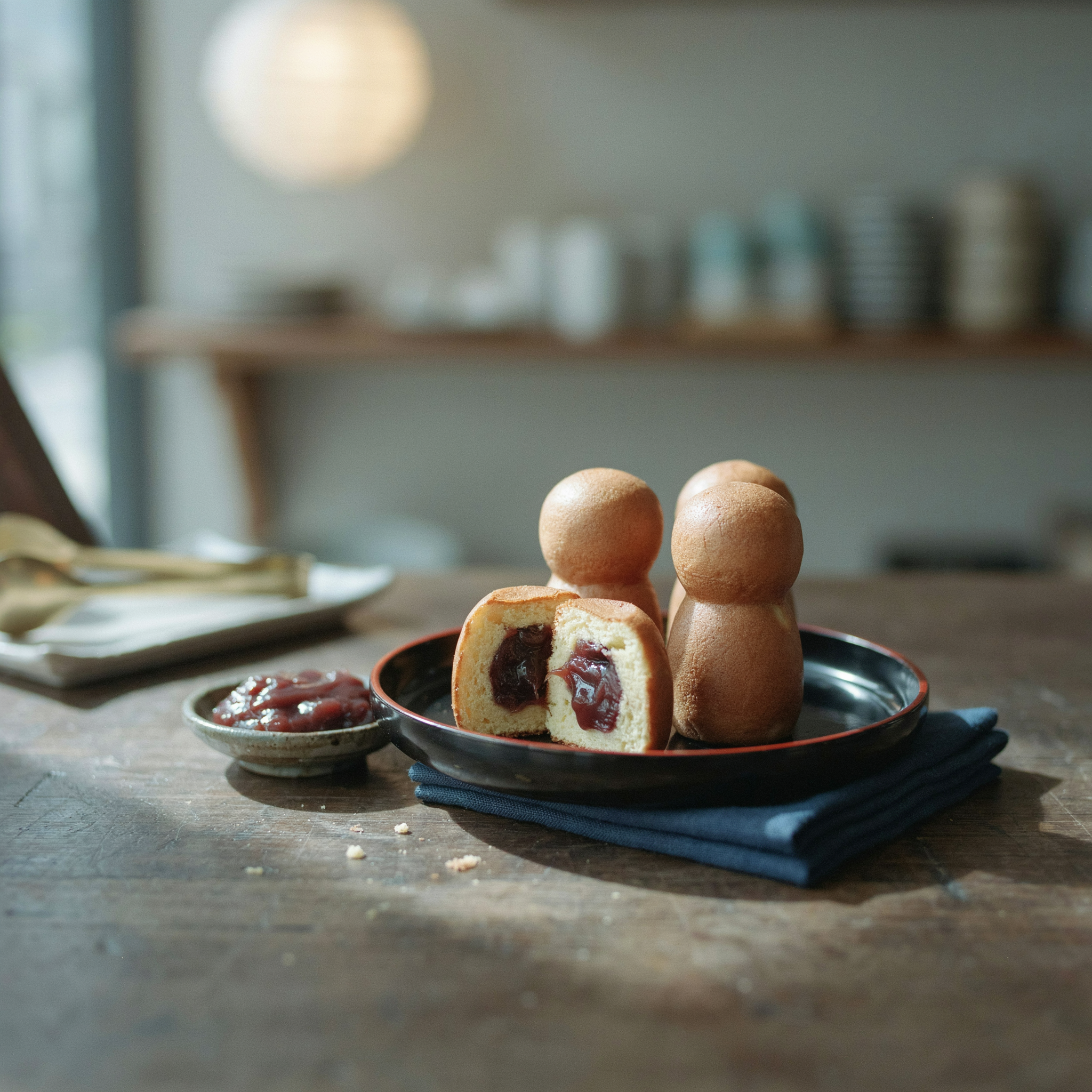
    Ningyo-yaki are small Tokyo sponge cakes baked in shaped molds and traditionally filled with sweet red bean paste. The molds can produce figures, dolls, lanterns or other recognizable shapes, giving the snack a playful appearance while the inside remains soft and lightly sweet. Ningyo-yaki is particularly associated with Asakusa, where the snack has long been sold to visitors exploring the area's temples and traditional streets. It is easy to eat while walking and makes a useful introduction to Tokyo's older-style sweets rather than the more elaborate desserts found in modern pastry shops.

    • Iconic
    • Street food
    • Vegetarian
    • Sweet

    ¥500–¥1200 approx.

    0votes — sign in to vote
  • Anmitsu

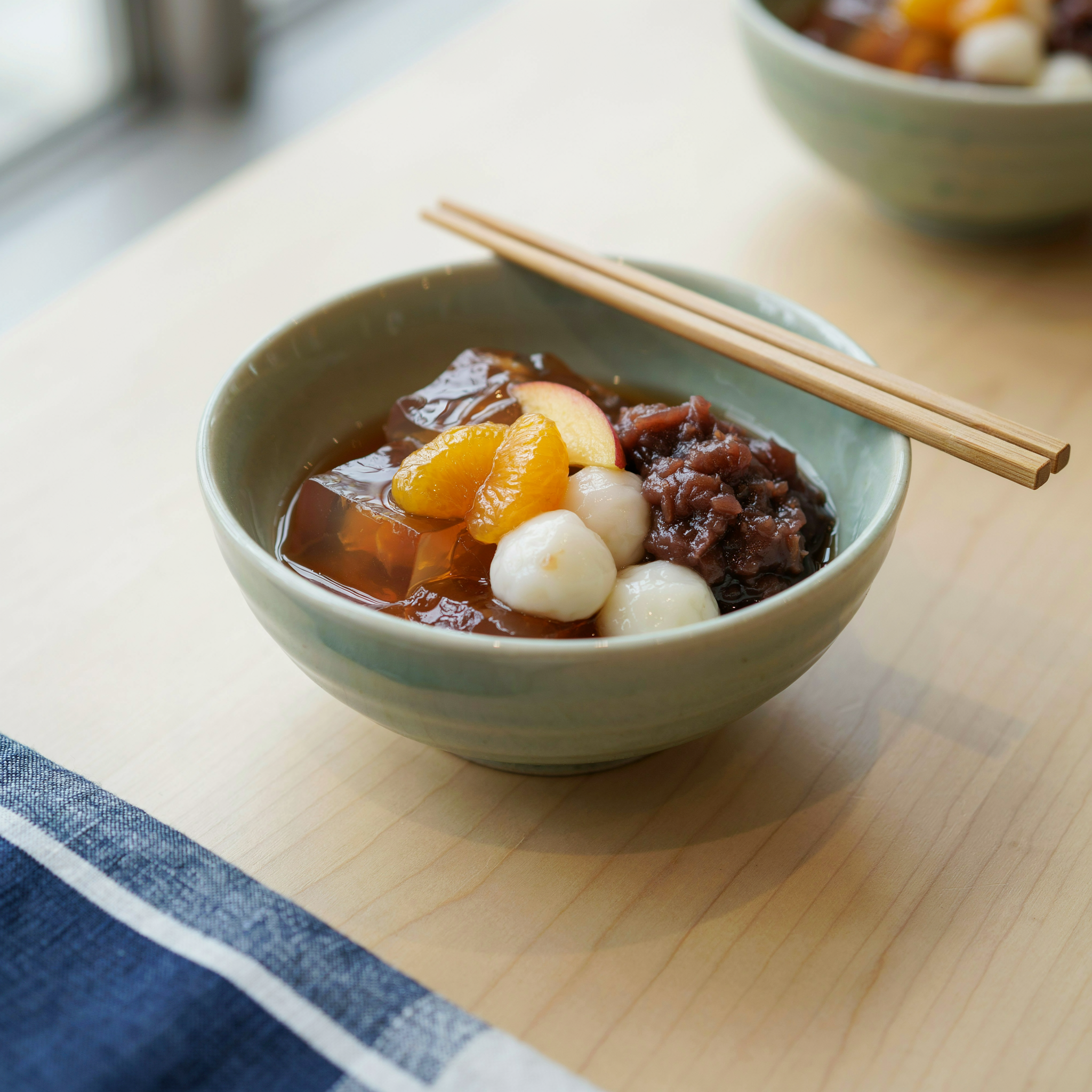
    Anmitsu is a traditional Japanese dessert made from cubes of agar jelly served with sweet red bean paste, fruit and chewy shiratama dumplings, usually with dark brown kuromitsu syrup poured over the top. The combination brings together several textures and different levels of sweetness rather than relying on a single rich ingredient. It is a very different kind of dessert from Western cakes and pastries. The agar jelly is clean and lightly flavoured, while the red bean paste and kuromitsu provide most of the sweetness. For travelers looking to explore traditional Japanese sweets, anmitsu offers a more distinctly Japanese experience than familiar Western-style desserts.

    • Iconic
    • Vegan
    • Sweet

    ¥600–¥1200 approx.

    0votes — sign in to vote
  • Okonomiyaki

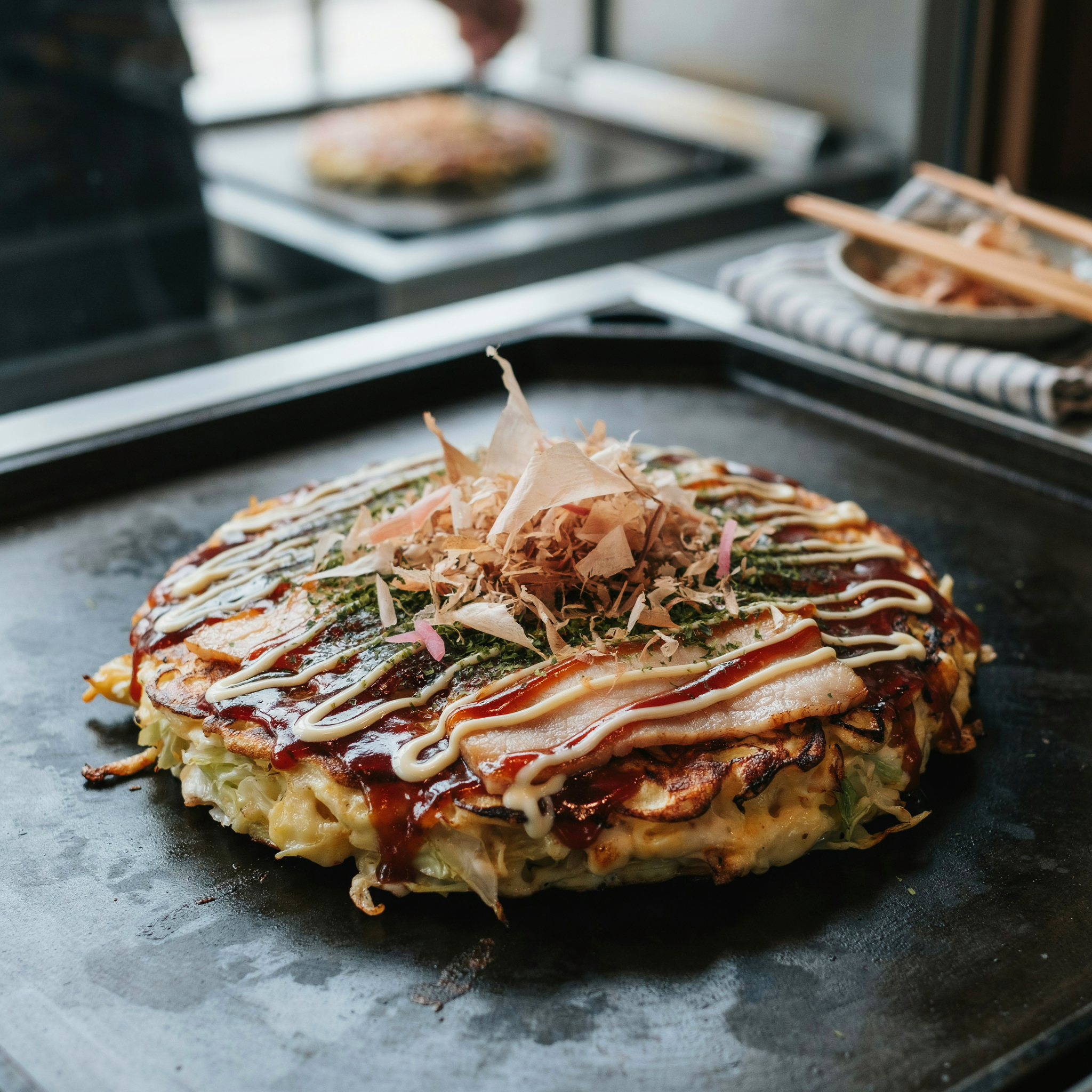
    Okonomiyaki is a savory Japanese pancake made from batter and cabbage with additional ingredients such as pork, seafood or vegetables, then cooked on a hot griddle and finished with savory sauce, mayonnaise, seaweed and bonito flakes. The exact combination varies, which is part of the dish's appeal. Tokyo has its own style of okonomiyaki, generally associated with a thinner batter than the Hiroshima style and often cooked in a restaurant where diners can watch or participate in the preparation. It is social, filling food that works particularly well when shared.

      ¥900–¥2000 approx.

      0votes — sign in to vote
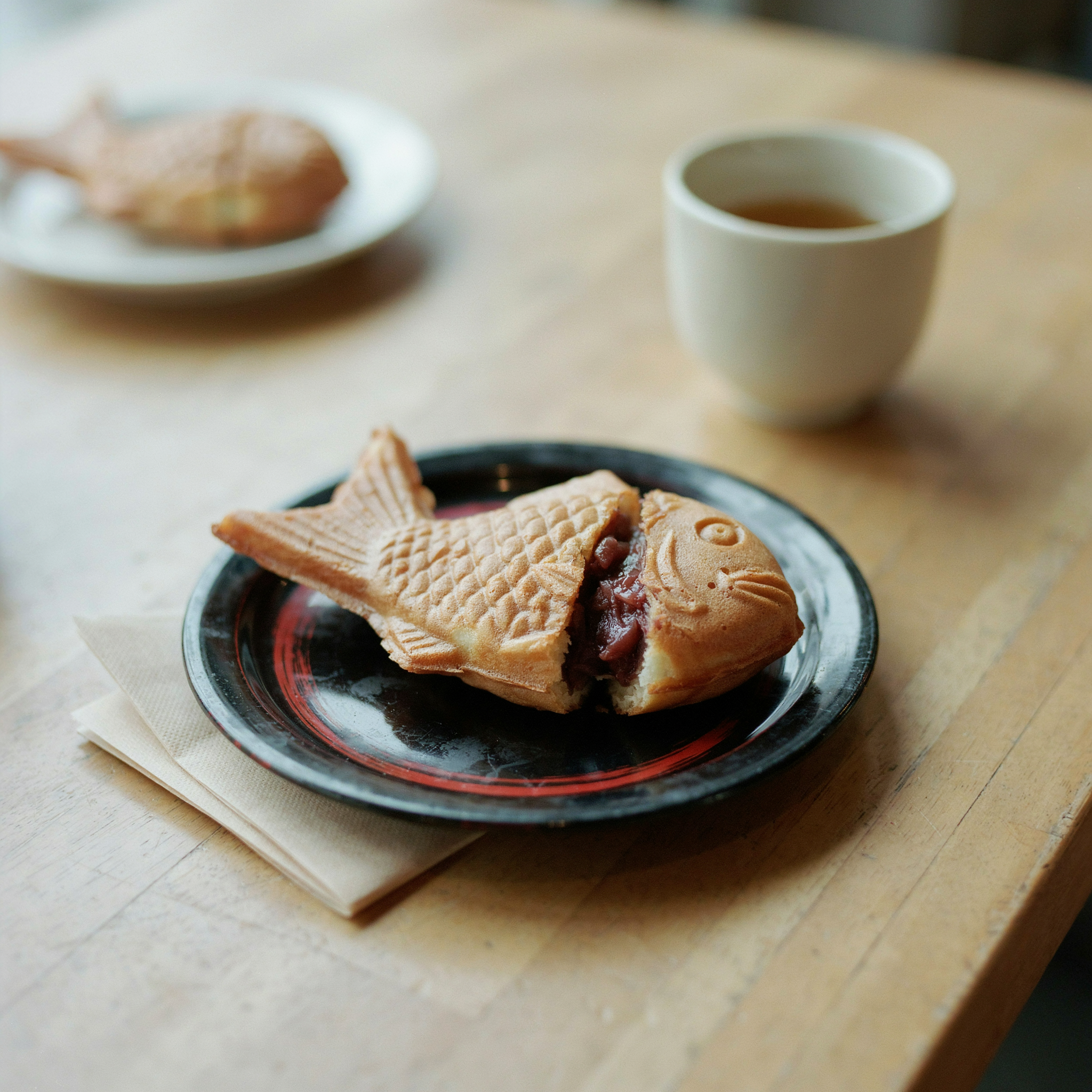
    • Taiyaki

      Taiyaki is a fish-shaped cake cooked in a metal mold and traditionally filled with sweet red bean paste. The outside becomes lightly crisp while the interior stays soft, creating a simple contrast between warm cake and sweet filling. Although the shape is playful, taiyaki is part of Tokyo's long tradition of inexpensive street and neighborhood sweets. Modern shops may fill it with custard, chocolate or other fillings, but the red bean version is the classic starting point for a first taste.

      • Street food
      • Vegetarian
      • Sweet

      ¥150–¥400 approx.

      0votes — sign in to vote
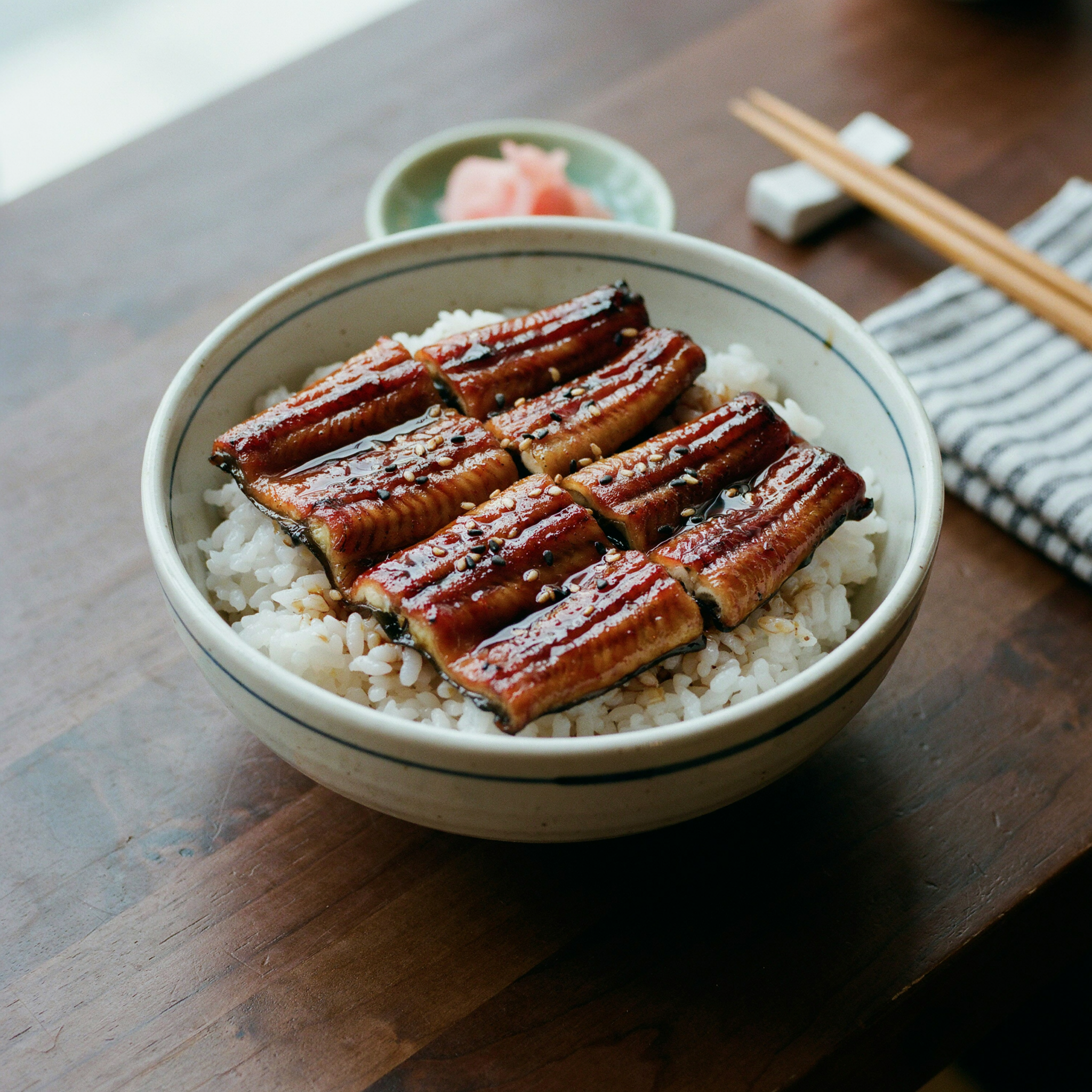
    • Unagi

      Unagi is freshwater eel that is commonly prepared kabayaki-style: fillets are split, brushed with a sweet-savory tare and grilled, often several times, until the skin is lightly crisp and the flesh turns soft and rich. The sauce should add gloss and seasoning without burying the eel’s natural flavor. In Tokyo, unagi may be served over rice as unadon or in a lacquered box as unajū, with sansho pepper offered to sharpen the richness. The texture is tender and fatty rather than flaky like most fish. Tokyo’s unagi culture is connected with long-established eel restaurants and the city’s Edo-style preference for grilling and saucing the fish. It is not an everyday cheap bowl in the way that many noodle dishes are, and specialist preparation can take time. Diners may order a set with soup and pickles, or choose a portion over rice. The dish also carries seasonal associations in Japan, but restaurants serve it throughout the year. For travelers, the key distinction is the eel’s preparation, not simply the word “eel” on a menu.

      • Seafood

      ¥3000–¥8000 approx.

      0votes — sign in to vote

    Prices are approximate and editorial. Always check locally before ordering.