Skip to content
thebitepassport
Rome, Italy

What to eat in Rome

Italy

Rome's food is built around simple ingredients, strong flavours and recipes rooted in everyday Roman cooking. The famous pasta dishes — carbonara, cacio e pepe, gricia and amatriciana — are only part of the picture. Look for crisp pizza al taglio, supplì, seasonal artichokes, Roman-style vegetables and the city's tradition of turning inexpensive cuts into deeply flavoured dishes.

If it's your first time eating in Rome, start with the classics, but don't stop at the four famous pastas. Try a Roman snack such as supplì or pizza al taglio, look for artichokes when they're in season, and explore the Jewish-Roman food tradition around the historic Jewish Quarter. Carciofi alla giudia is one of its best-known specialties. The city's older working-class cooking is also worth seeking out, with dishes such as trippa alla romana and coda alla vaccinara reflecting Rome's historic use of less-prized cuts.

If you only try five things, make them carbonara, cacio e pepe, supplì, carciofi alla giudia and pizza al taglio. Then go beyond the obvious: gricia, seasonal vegetables and traditional Roman dishes can tell you much more about the city's food culture than another plate of pasta alone.

Start a Food Mission here

26 dishes found

  • Cacio e Pepe

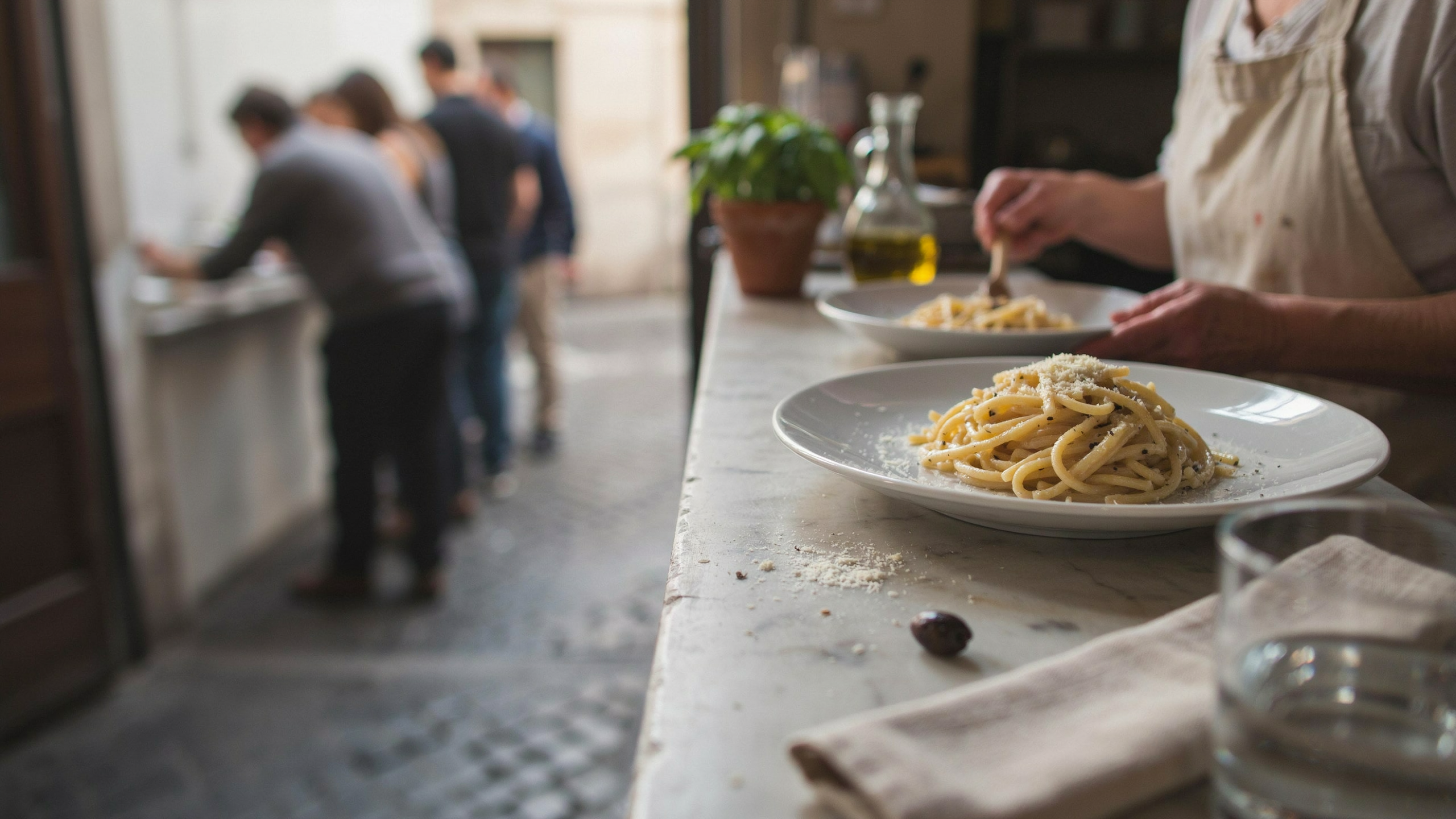
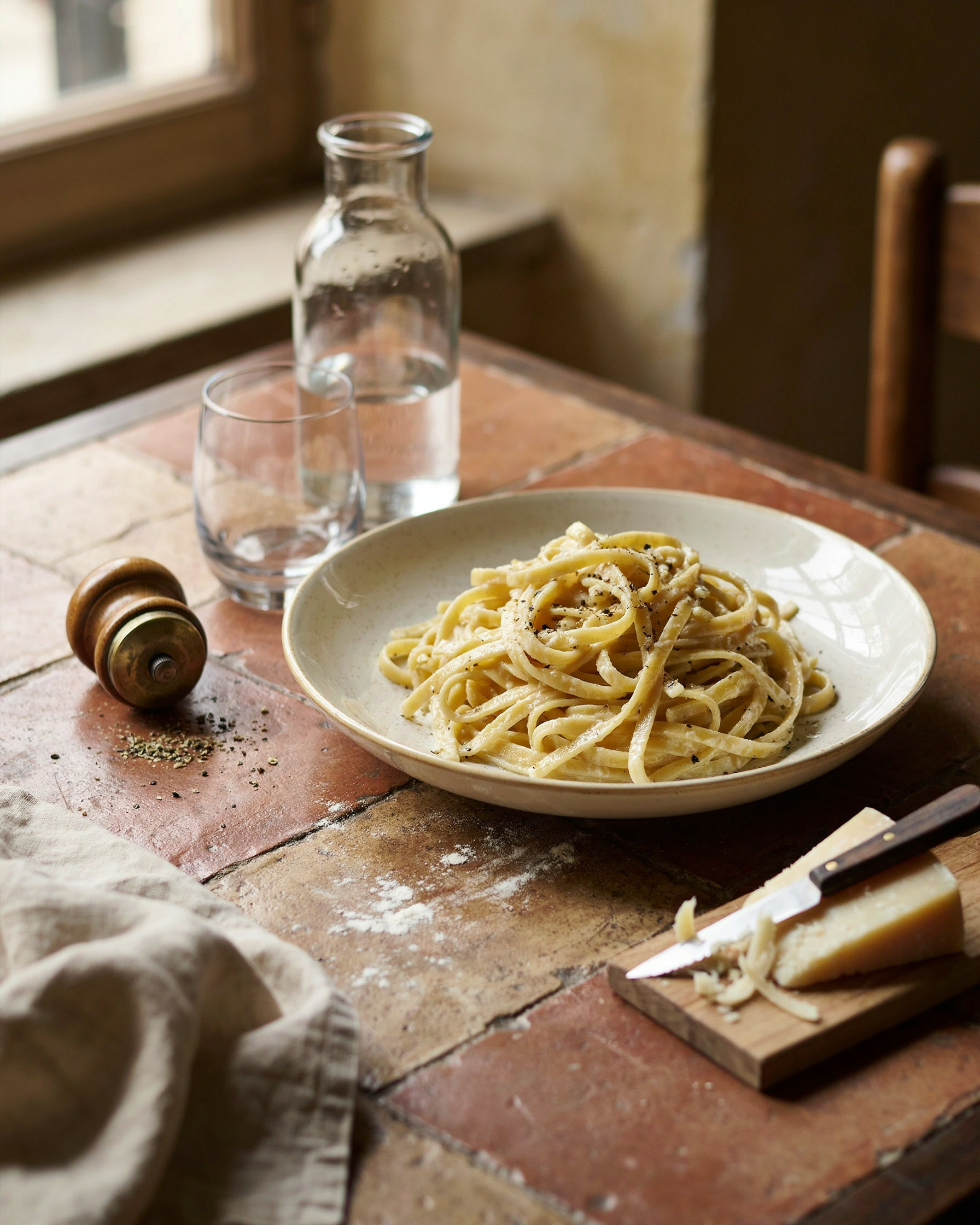
    Cacio e pepe is one of Rome's simplest-looking pasta dishes, made with Pecorino Romano, black pepper and pasta. Its creamy texture comes from combining the cheese with starchy pasta water rather than using cream. The result is intensely savoury, salty and peppery, with the sharpness of the cheese balanced by the starch of the pasta. It is a good example of the Roman approach to cooking: a handful of familiar ingredients can make a substantial dish when they are handled carefully. Spaghetti is the traditional choice, although tonnarelli and other pasta shapes are also common in Rome.

    • Iconic
    • Vegetarian

    €10–€16 approx.

    0votes — sign in to vote
  • Carbonara

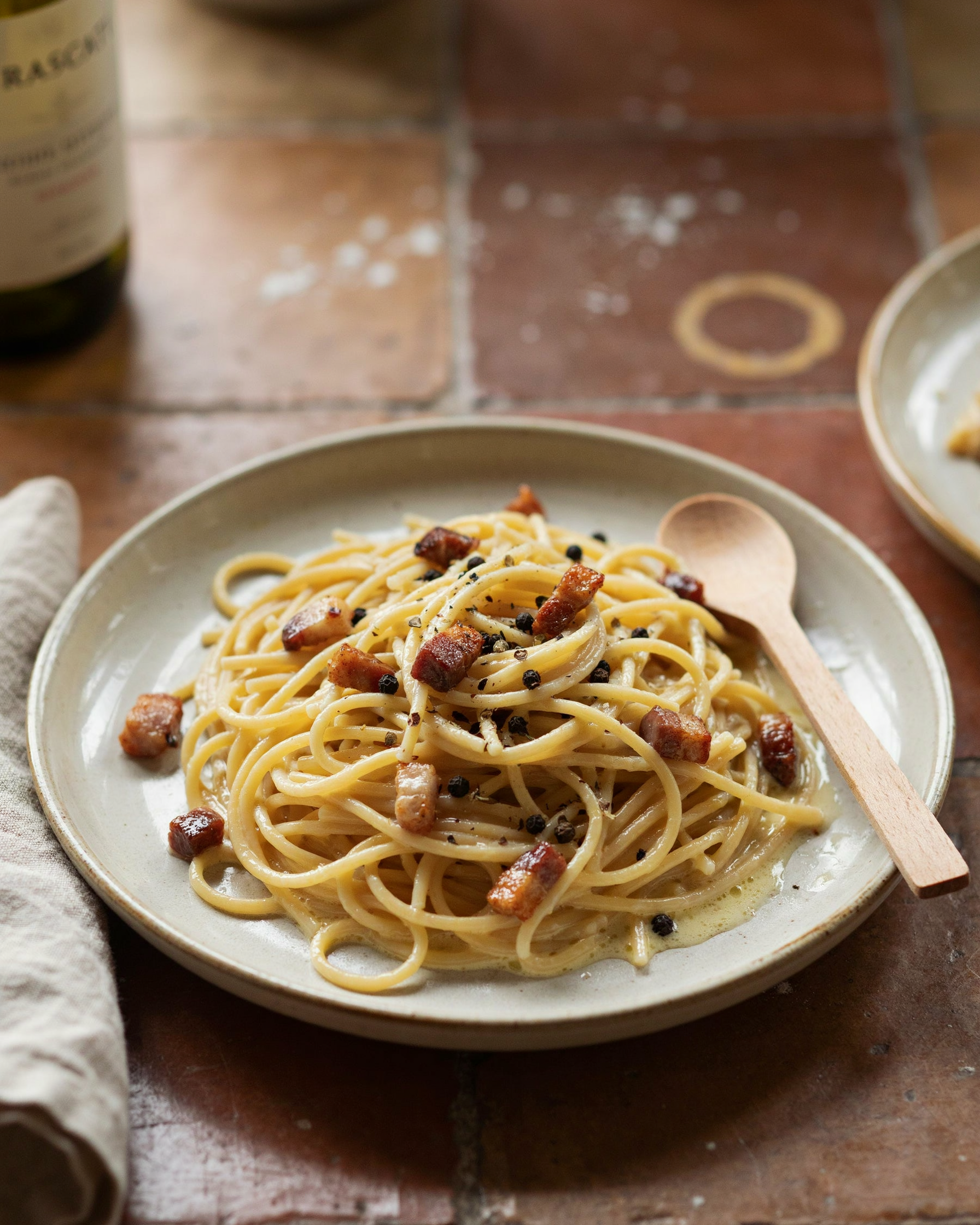
    Carbonara is one of Rome's defining pasta dishes, built around guanciale, Pecorino Romano, eggs and black pepper. The traditional Roman preparation gets its creamy texture from the eggs, cheese and starchy pasta water rather than cream. Expect a rich, salty and peppery dish with crisp-edged pieces of guanciale throughout. If you're trying it for the first time in Rome, carbonara is a good introduction to the city's style of cooking: a small number of familiar ingredients, carefully balanced rather than hidden under a complicated sauce. The exact origin of carbonara is uncertain, so the famous stories about its beginnings are better treated as culinary lore than established history.

    • Iconic

    €11–€18 approx.

    0votes — sign in to vote
  • Carciofi alla Giudia

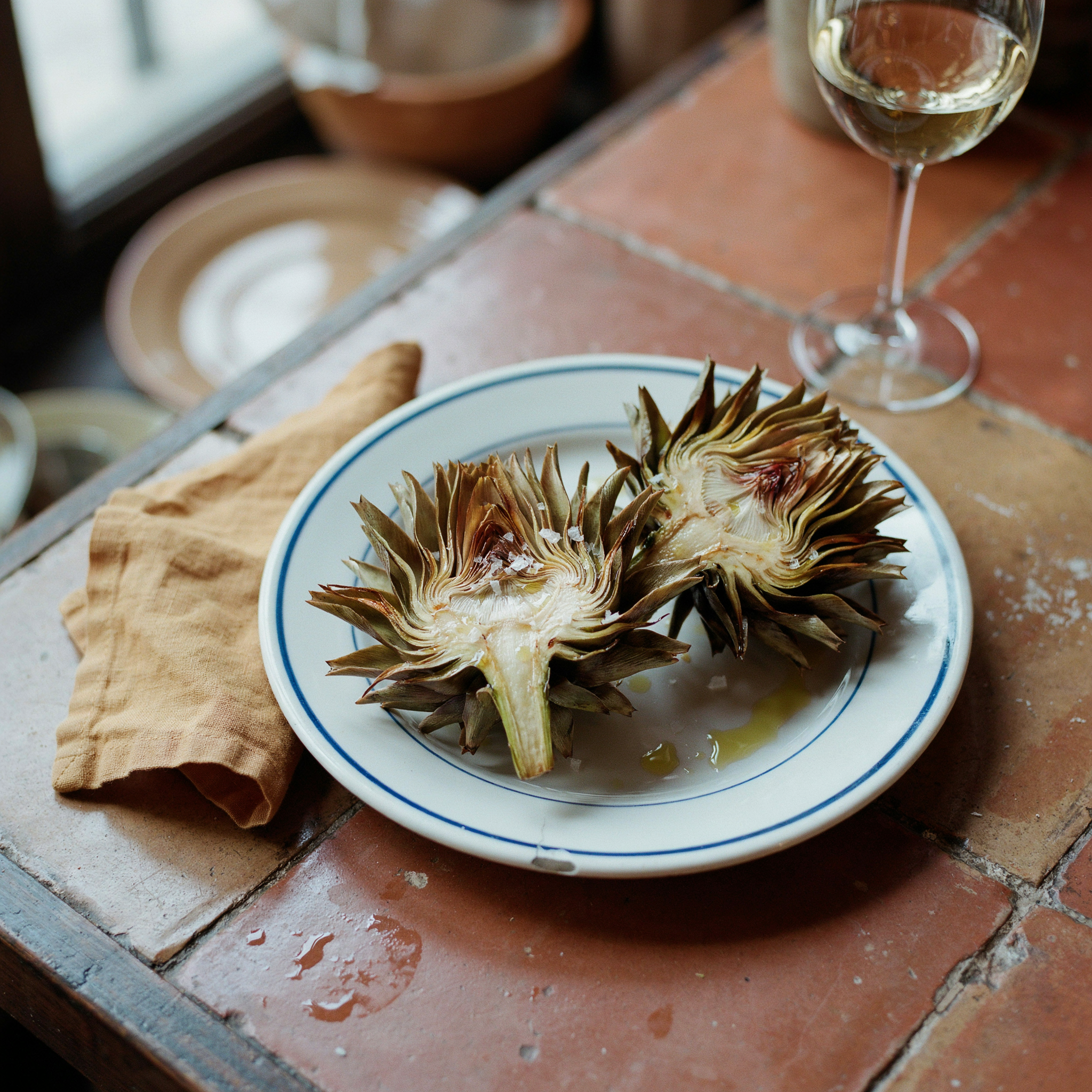
    Carciofi alla giudia is a whole Roman artichoke prepared in the Jewish-Roman style and fried until its leaves become crisp and flower-like while the heart remains tender. The result is much more substantial than a typical vegetable side: you eat the leaves and tender centre together, with the contrast between crisp edges and soft artichoke at the heart of the dish. It is one of the dishes that makes Rome's food culture particularly distinctive. Unlike the famous pasta dishes, carciofi alla giudia connects directly to the culinary tradition of Rome's Jewish community and the historic Jewish Quarter around the Portico d'Ottavia.

    • Iconic
    • Vegan

    €6–€12 approx.

    0votes — sign in to vote
  • Gelato

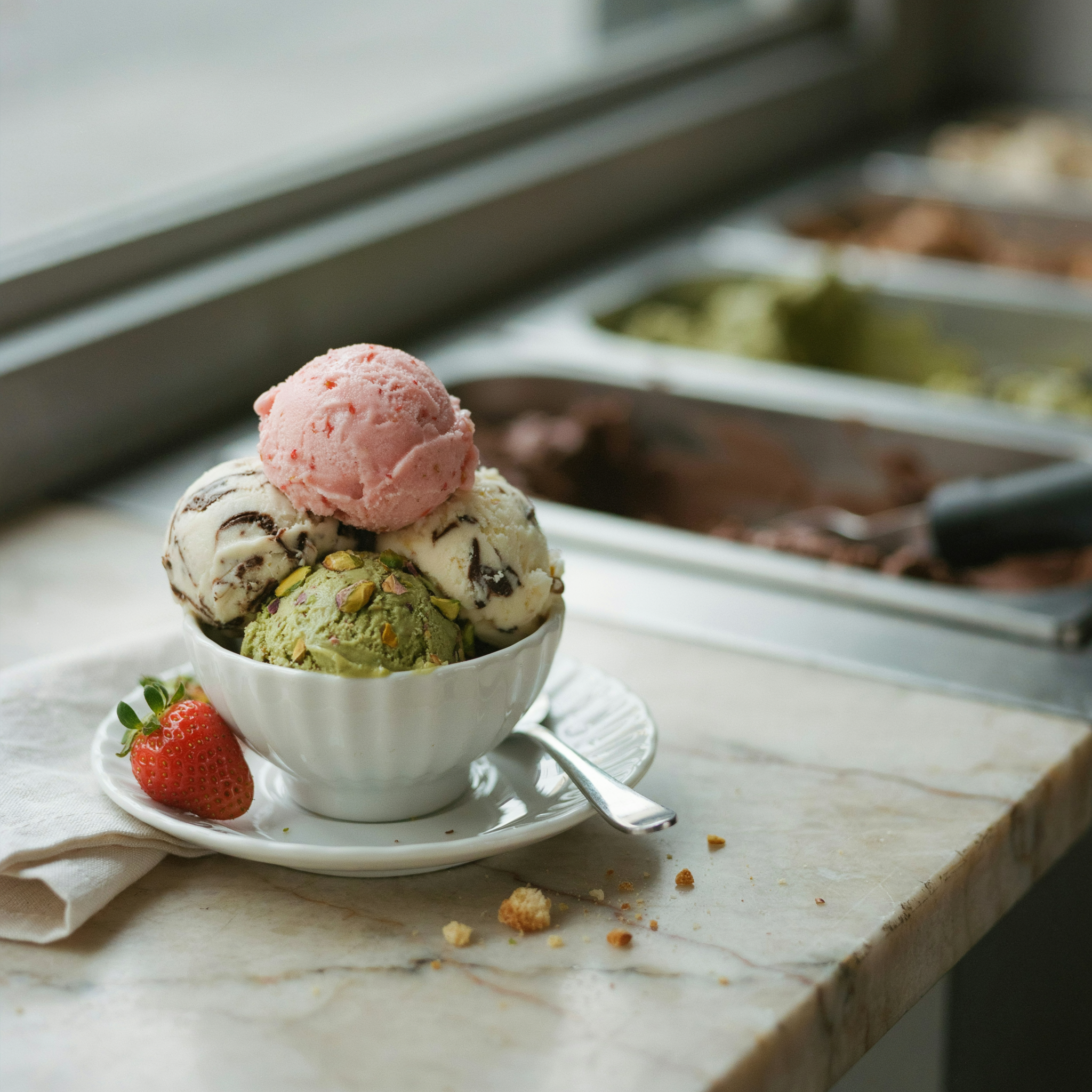
    Gelato is one of Italy's most familiar treats, and in Rome it makes an easy stop between meals or after dinner. Traditional gelato is generally served at a warmer, softer temperature than conventional ice cream, with a dense, smooth texture. Flavours range from classics such as pistachio, chocolate and hazelnut to fruit-based and seasonal options. For a visitor, part of the experience is choosing from several flavours and noticing how differently they taste when made with good ingredients. Nut flavours should taste distinctly of the nuts rather than simply sweet, while fruit flavours are often most interesting when the fruit is in season. Gelato is simple food, but it rewards paying attention to texture and flavour rather than just choosing the most colourful display.

    • Iconic
    • Street food
    • Vegetarian
    • Sweet

    €2.50–€6 approx.

    0votes — sign in to vote
  • Maritozzo

    Maritozzo is a soft Roman sweet bun traditionally split open and generously filled with whipped cream. The bun itself is only mildly sweet, which lets the cream become part of the overall balance rather than turning the pastry into an overly sugary dessert. In Rome, maritozzo is particularly associated with breakfast and coffee, but it can also work as an afternoon treat or dessert. You may also encounter modern variations with different sweet fillings, while the classic version remains the one to try if you want the traditional Roman experience.

    • Iconic
    • Vegetarian
    • Sweet

    €2–€4.50 approx.

    0votes — sign in to vote
  • Pizza al Taglio

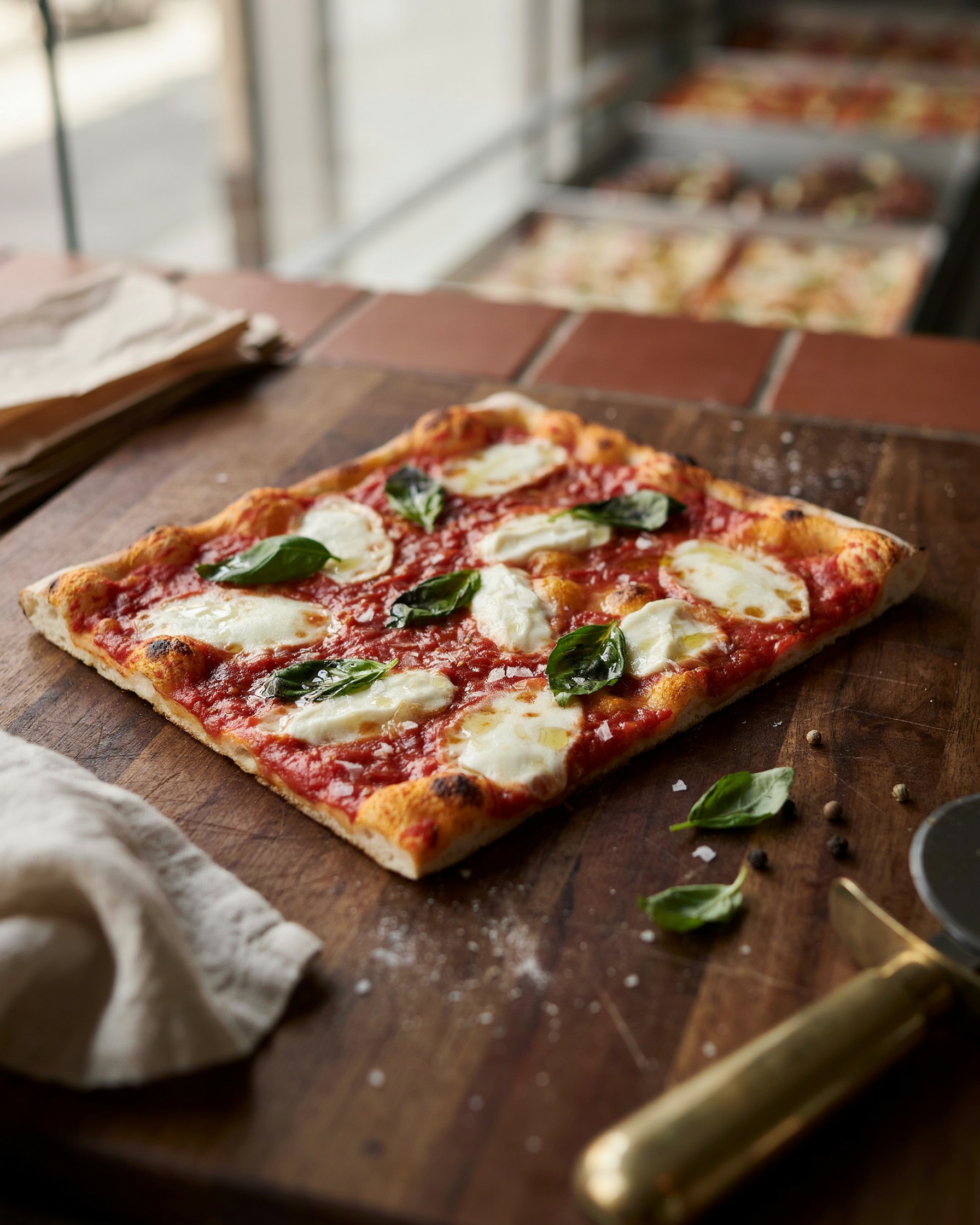
    Pizza al taglio is Rome's everyday pizza: rectangular pizza sold by the slice and usually priced by weight. It is designed for a quick, flexible meal, with trays of different toppings cut to the portion you want and served ready to eat. The base can range from thin and crisp to softer and more substantial depending on the style and bakery. In Rome, you'll encounter several related forms, including pizza baked in a tray (in teglia) and the longer alla pala. Bakeries also sell simple pizza bianca and pizza rossa, which can be eaten on their own or filled like a sandwich. The important difference from a sit-down pizzeria is the everyday rhythm: you choose what looks good at the counter, decide how much you want, and keep moving.

    • Iconic
    • Street food
    • Vegetarian

    €3–€7 approx.

    0votes — sign in to vote
  • Porchetta

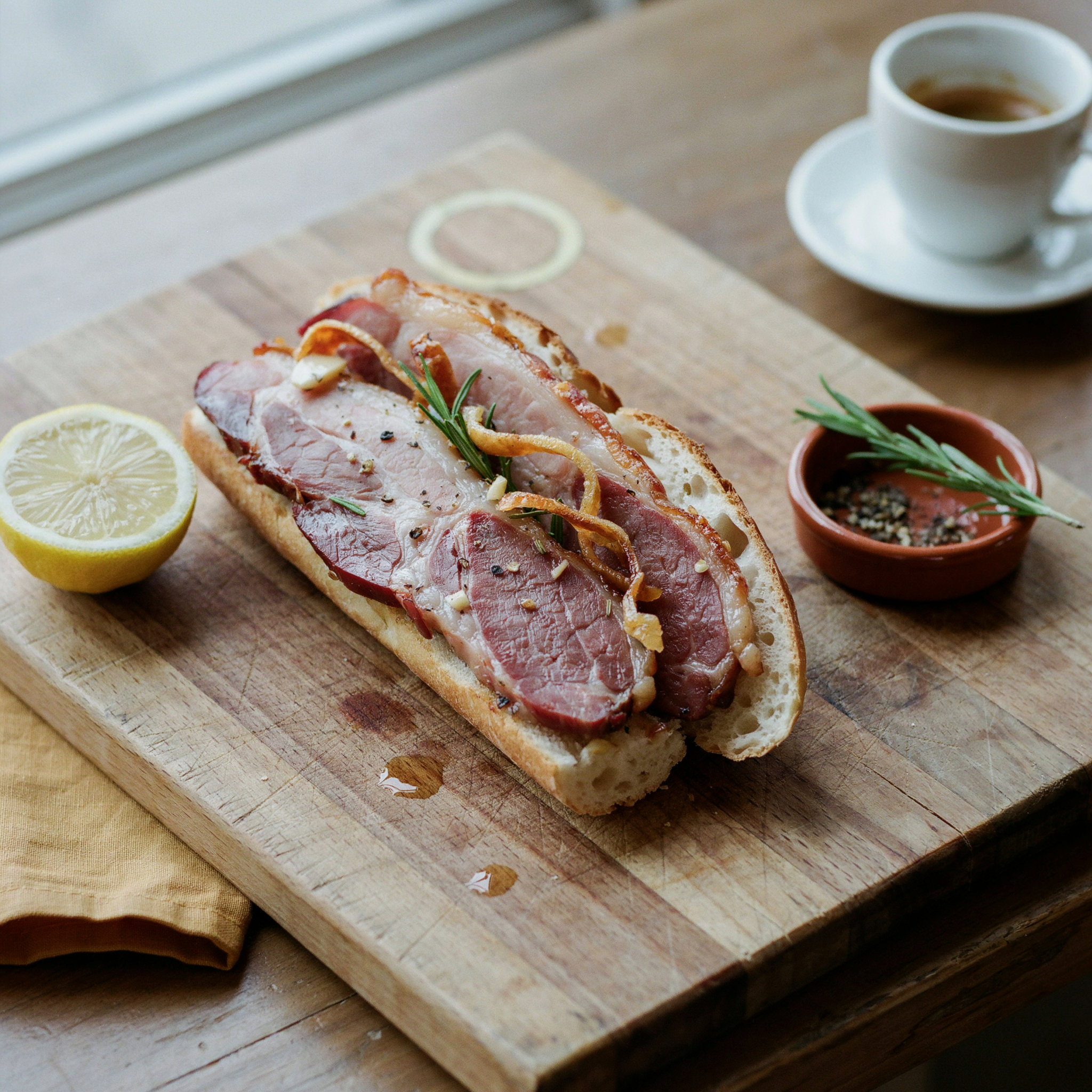
    Porchetta is a boneless, rolled pork roast seasoned with garlic, fennel, rosemary or other herbs, then cooked slowly until the meat is tender and the skin becomes crisp. The exact seasoning varies by region, and the roast may be prepared from a whole pig or a smaller pork belly-and-loin roll. Good porchetta combines juicy meat, fragrant herbs and crackling, with enough salt to make it work in a sandwich without needing a heavy sauce. In Rome, porchetta is strongly associated with the Castelli Romani town of Ariccia, just outside the city, but it is easy to encounter in Roman markets, food shops and sandwich counters. It is commonly sliced thickly and served in a crusty roll, or presented as part of a larger meal. That regional connection matters: porchetta is Italian in a broad sense, while the version travelers seek around Rome has a specific Lazio identity. It is usually carved to order, so the contrast between crackling and tender meat is part of the appeal.

    • Iconic
    • Street food

    €4–€8 approx.

    0votes — sign in to vote
  • Supplì

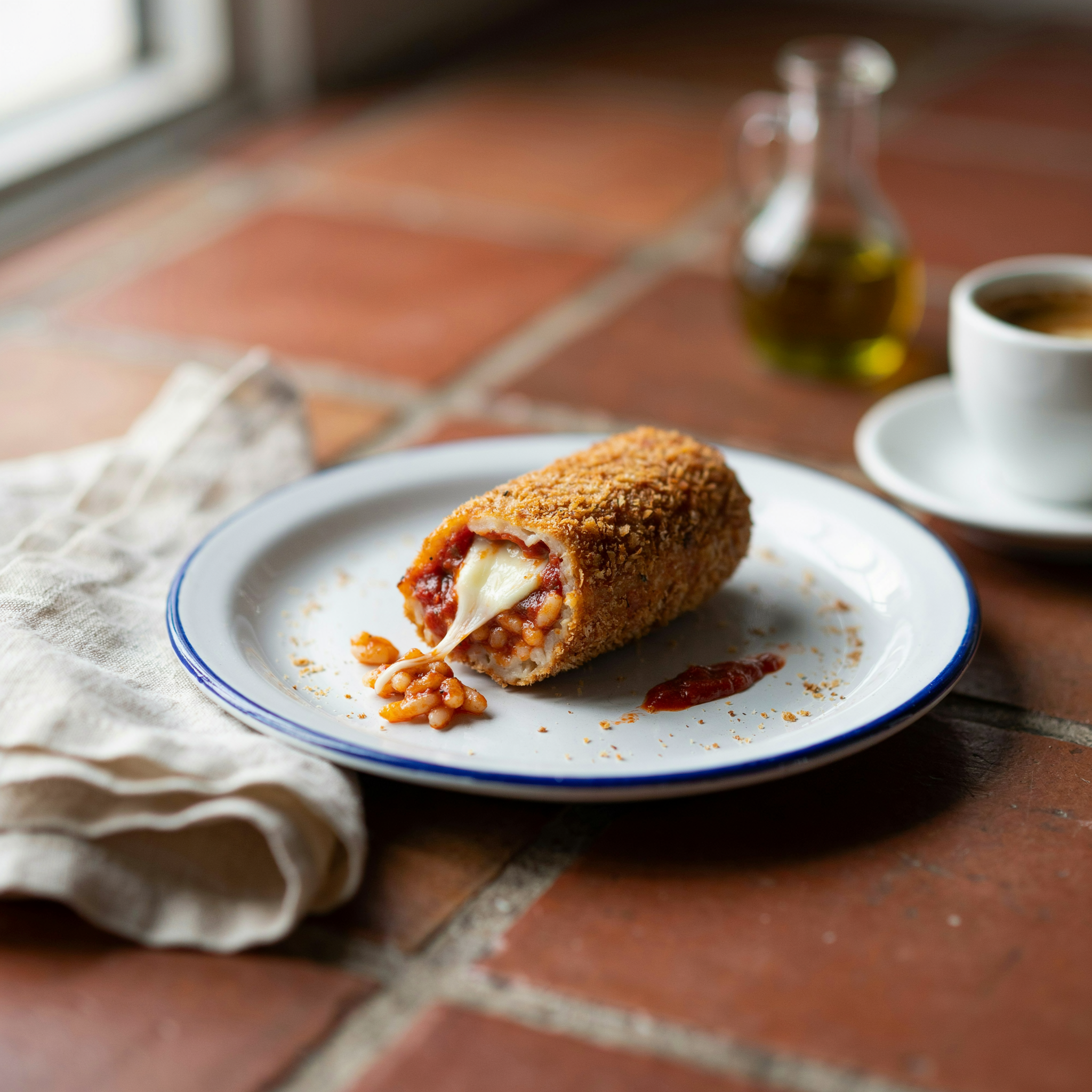
    Supplì is one of Rome's classic fried snacks: a crisp, thin coating surrounds seasoned rice and a molten mozzarella centre. The traditional Roman version is typically made with rice cooked in a meat-based sauce, giving the filling its characteristic red colour. When freshly fried, the contrast between the crunchy exterior, soft rice and melted cheese is the whole point. You may see supplì compared with Sicily's arancino, but they are different traditions. Roman supplì are typically elongated and cylindrical, while arancini vary in shape and preparation depending on the part of Sicily. In Rome, the classic version is also known as supplì al telefono — a reference to the strand of melted mozzarella that appears when the croquette is pulled apart.

    • Iconic
    • Street food

    €1.50–€3 approx.

    0votes — sign in to vote
  • Ciambelline al Vino

    These simple, ring-shaped cookies are made with local white or red wine, sugar, olive oil, and flour, often scented with anise seeds. They are baked until dry and crunchy, designed specifically for dipping into a glass of sweet dessert wine.

    • Iconic
    • Vegan
    • Sweet

    €3–€6 approx.

    0votes — sign in to vote
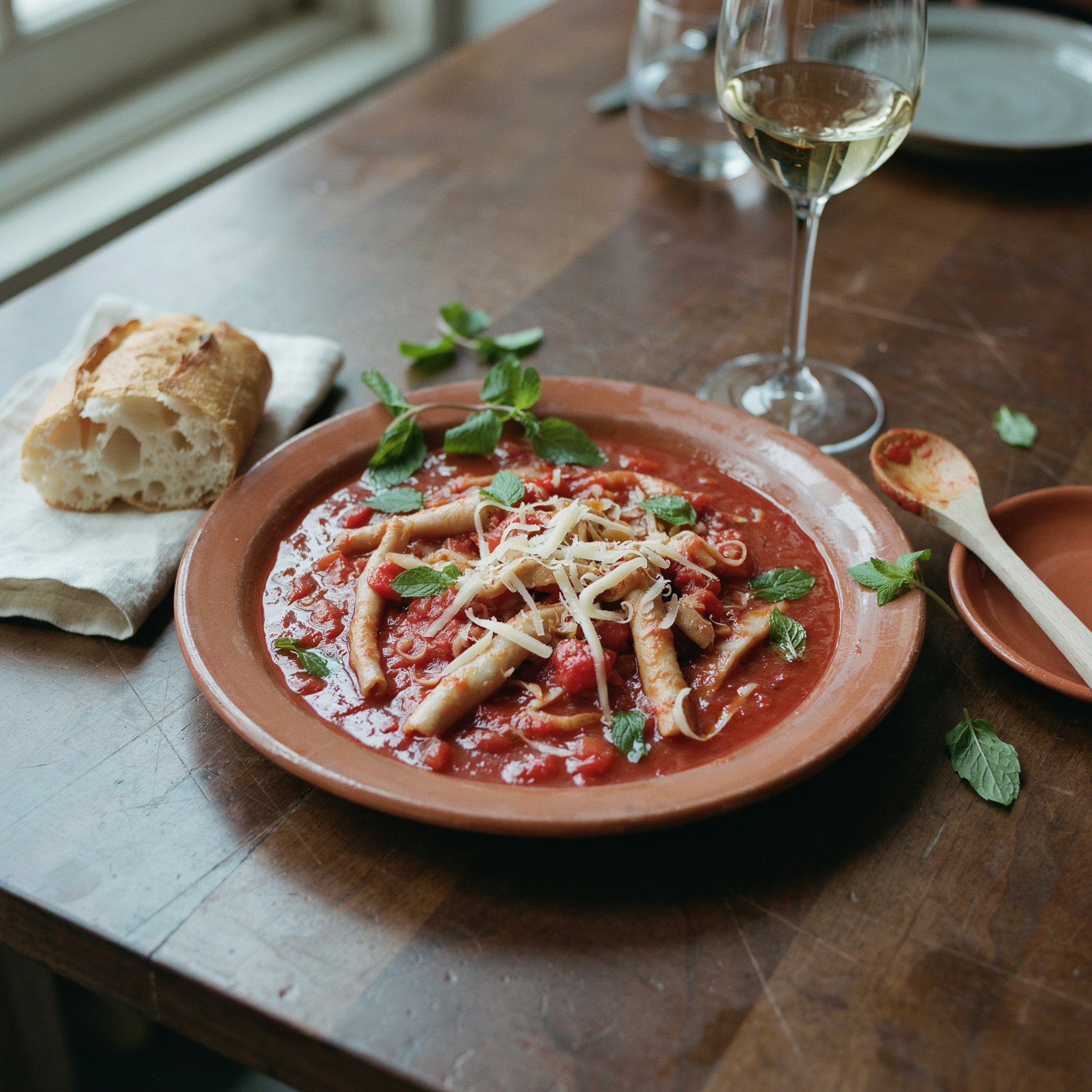
  • Trippa alla Romana

    This classic dish features tender strips of tripe simmered in a rich tomato sauce infused with fresh mint and Pecorino Romano. The addition of wild pennyroyal mint gives it a uniquely refreshing and aromatic finish.

    • Iconic

    €12–€18 approx.

    0votes — sign in to vote
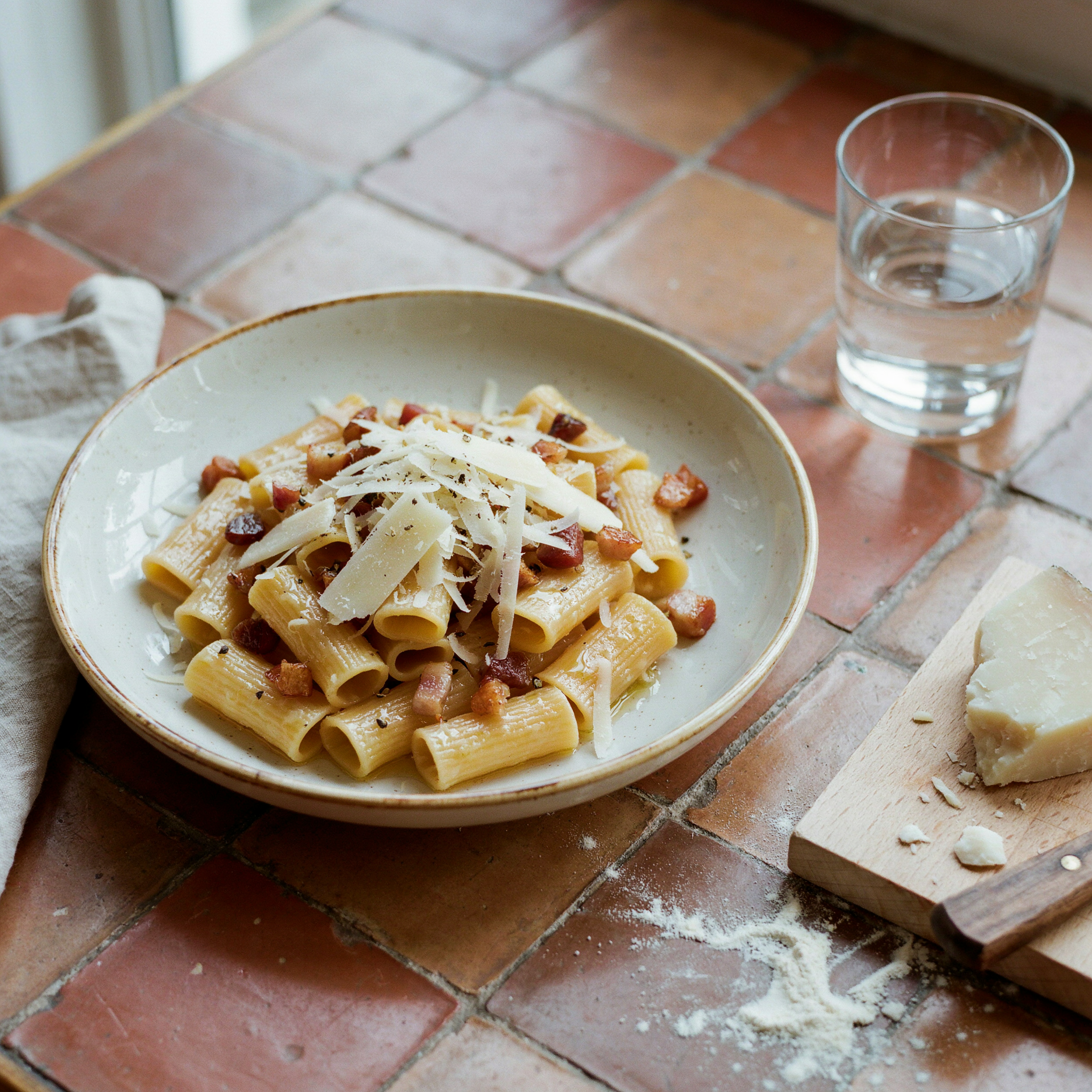
  • Pasta alla Gricia

    Pasta alla gricia is a classic Roman pasta built around three main flavours: guanciale, Pecorino Romano and black pepper. There is no tomato and no egg. The guanciale brings rich, savoury pork flavour, while Pecorino and pepper give the dish its salty, sharp character. When properly finished with pasta water, the sauce should be glossy and creamy rather than dry. Gricia is particularly useful to know if you're exploring Rome's famous pasta dishes because it sits between two better-known preparations: it shares the guanciale, Pecorino and pepper of carbonara but leaves out the egg, while its combination with tomato is what eventually connects it to amatriciana. The exact origin of gricia is uncertain, so it is better to treat the stories surrounding its beginnings as competing traditions rather than established fact.

    • Iconic

    €9–€15 approx.

    0votes — sign in to vote
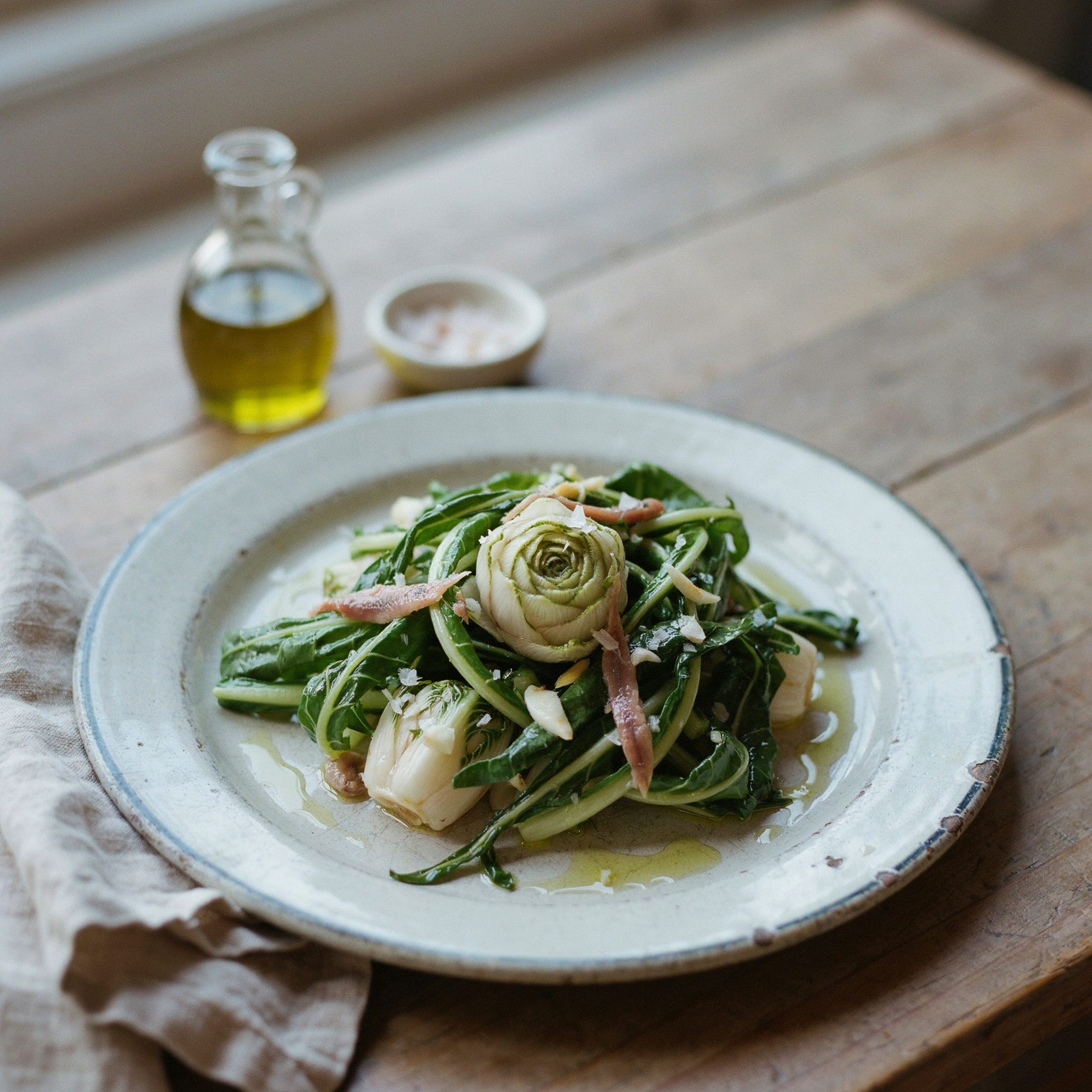
  • Puntarelle alla Romana

    This crisp, refreshing salad features curled strips of chicory shoots dressed in a pungent mixture of garlic, anchovies, white wine vinegar, and olive oil. It is celebrated for its pleasingly bitter taste and satisfying crunch, making it an excellent palate cleanser.

    • Iconic
    • Seafood

    €6–€10 approx.

    0votes — sign in to vote
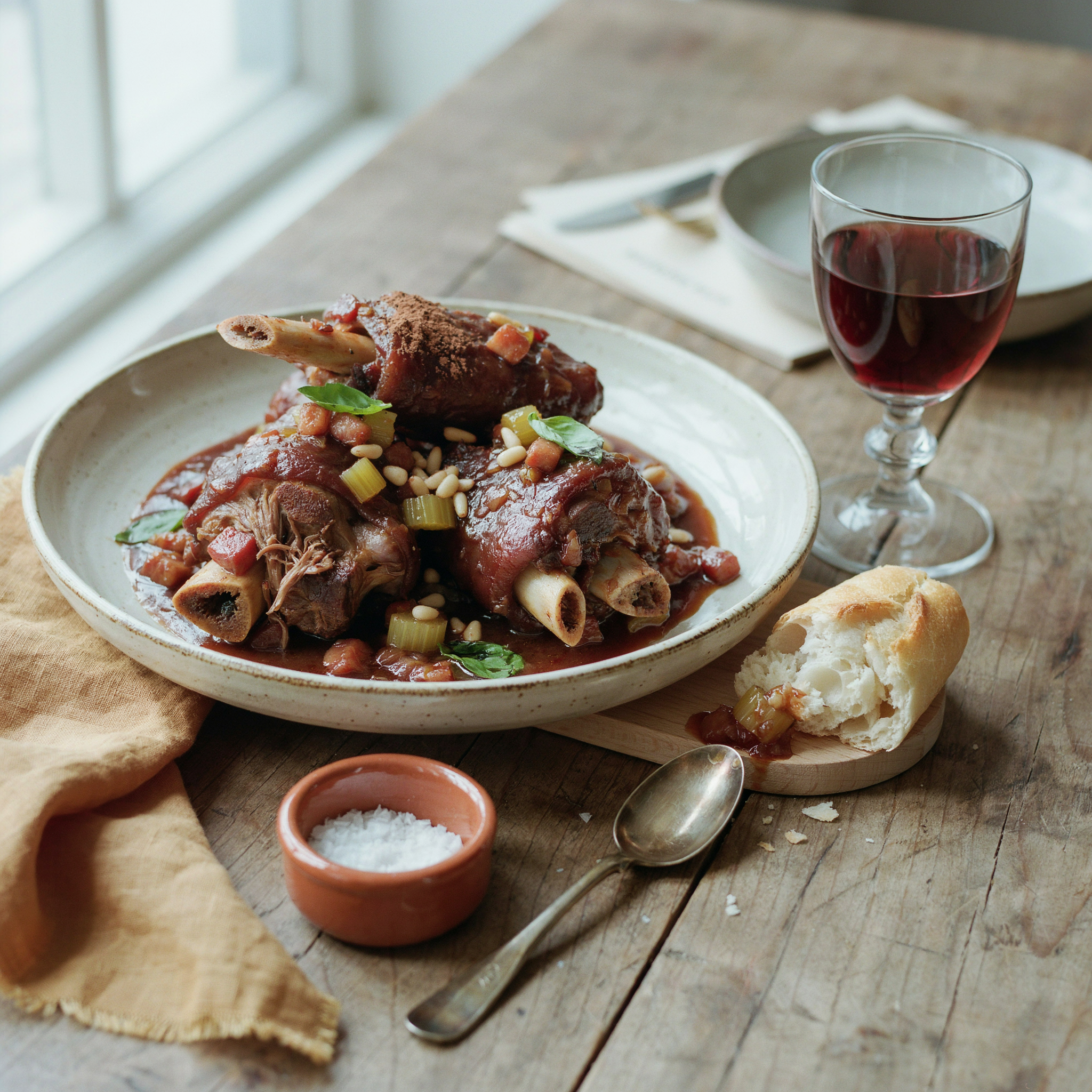
  • Coda alla Vaccinara

    Coda alla vaccinara is a slow-cooked Roman dish made with oxtail and vegetables, traditionally cooked until the meat becomes exceptionally tender. The sauce is rich and deeply flavoured, with celery playing an important role alongside the meat and other aromatics. This is very different from Rome's better-known pasta dishes. It belongs to the city's older tradition of turning inexpensive cuts into substantial meals, and it gives visitors a glimpse of the more rustic side of Roman cooking. It is a dish for a leisurely meal rather than a quick bite, particularly if you're curious about the food traditions behind modern Roman cuisine.

    • Iconic

    €14–€24 approx.

    0votes — sign in to vote
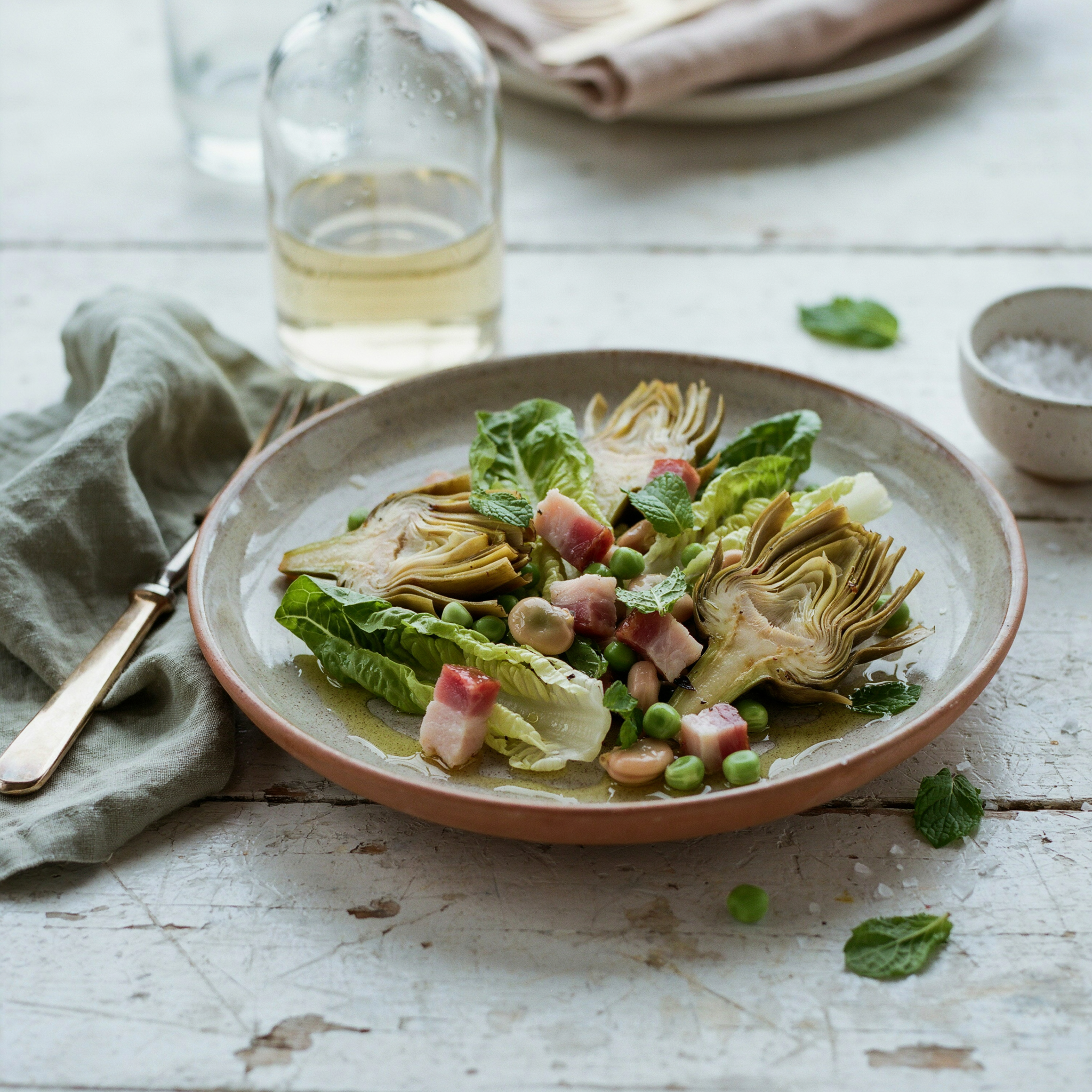
  • Vignarola

    This vibrant spring stew brings together the season's finest green vegetables cooked slowly with cured pork. It showcases a harmonious blend of sweet peas, tender fava beans, Roman artichokes, and crisp lettuce.

    • Iconic

    €10–€16 approx.

    0votes — sign in to vote
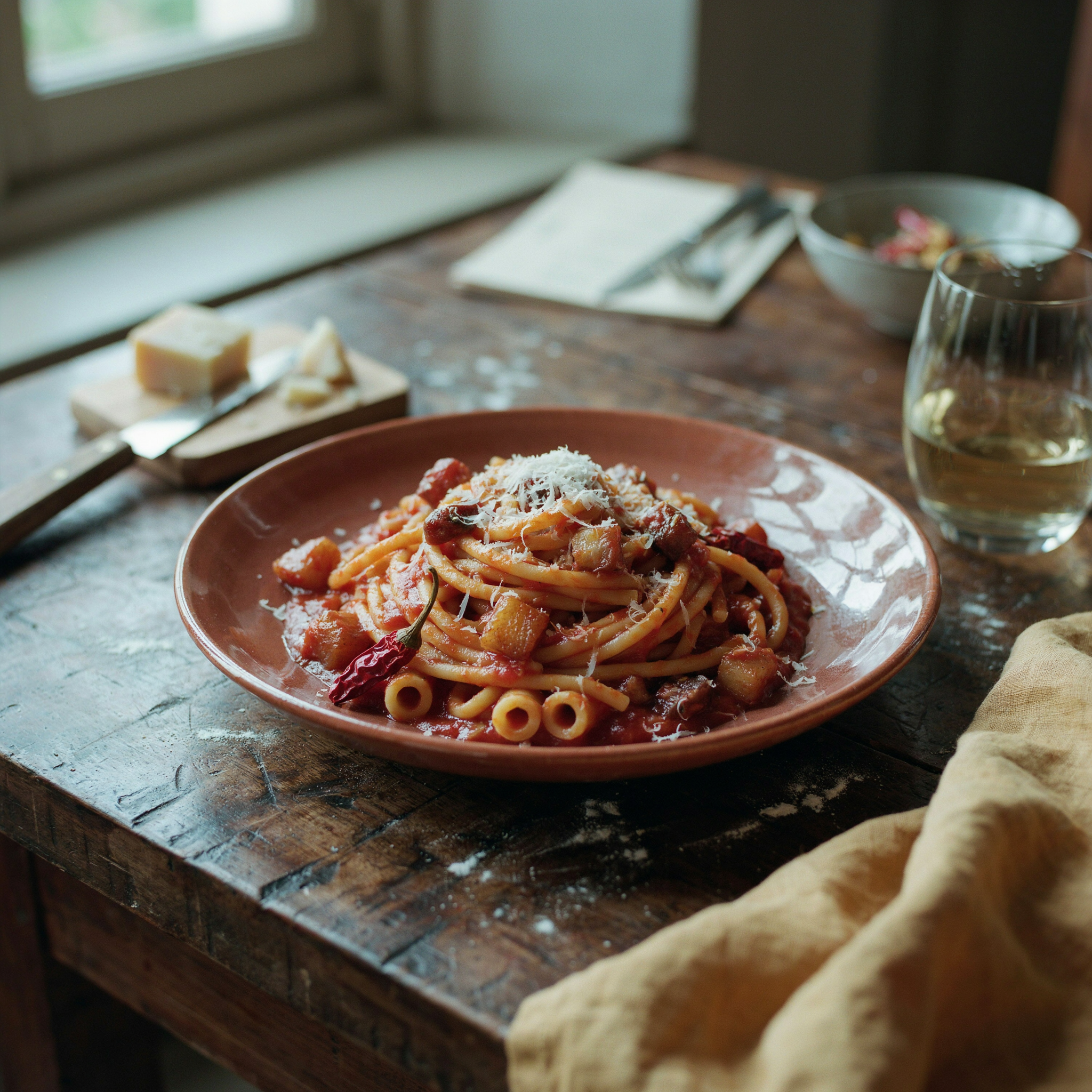
  • Bucatini all'Amatriciana

    Bucatini all'amatriciana is a classic Roman pasta built around a rich tomato sauce, guanciale and Pecorino Romano, traditionally with a touch of chilli. Bucatini — thick, hollow strands of pasta — are particularly well suited to the sauce because the tomato coats the outside while also working its way into the centre of the pasta. If carbonara and cacio e pepe show Rome's love of restrained, creamy sauces, amatriciana takes a different route: the tomato adds acidity and sweetness to balance the salty, fatty guanciale and sharp Pecorino. It is a satisfying choice when you want one of Rome's famous pasta dishes but prefer a tomato-based sauce.

    • Iconic
    • Spicy

    €9–€16 approx.

    0votes — sign in to vote

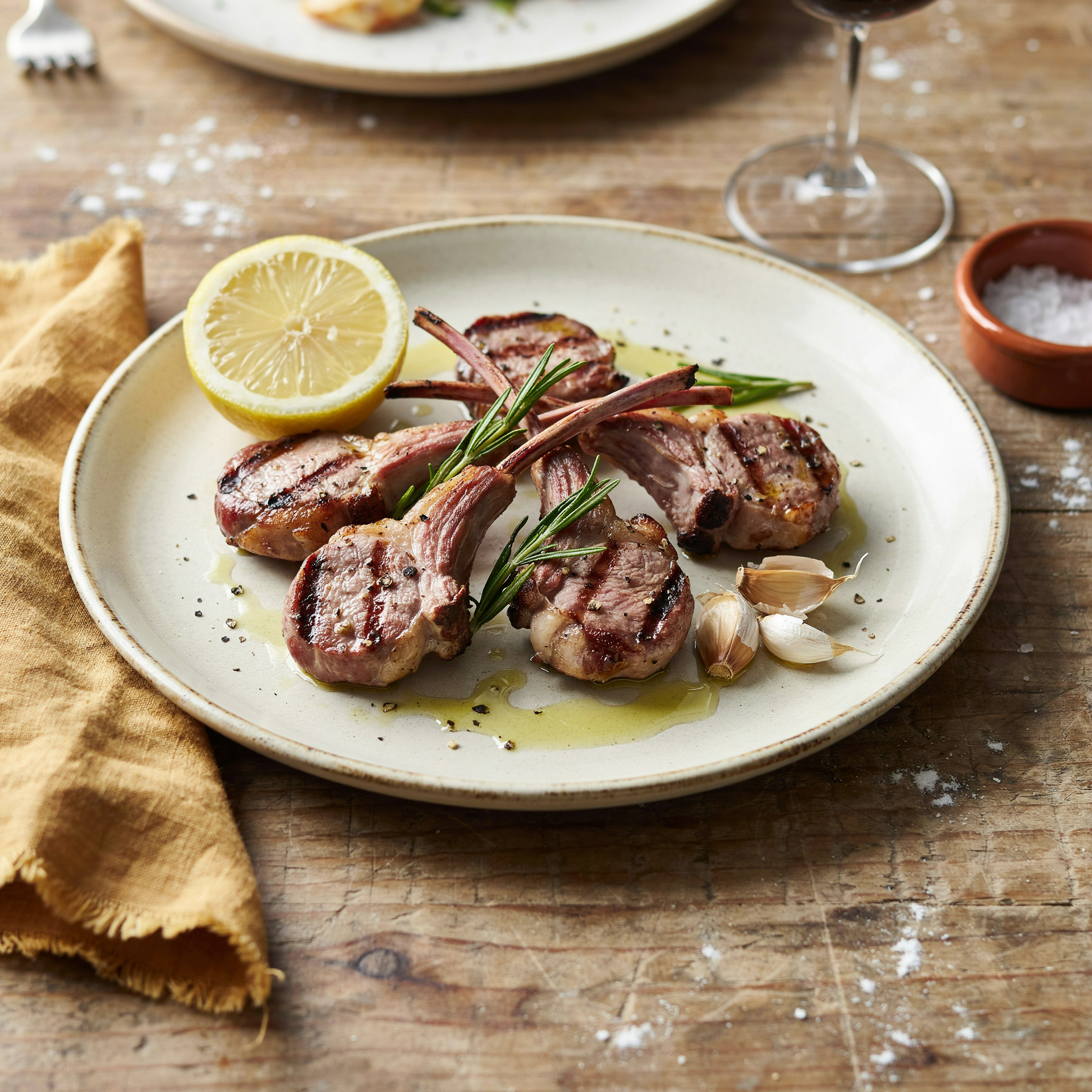
  • Abbacchio alla Scottadito

    These grilled lamb chops are marinated in olive oil, rosemary, and garlic before being cooked quickly over hot coals. Traditionally served piping hot, they are meant to be eaten immediately, risking burnt fingers.

    • Iconic

    €16–€26 approx.

    0votes — sign in to vote
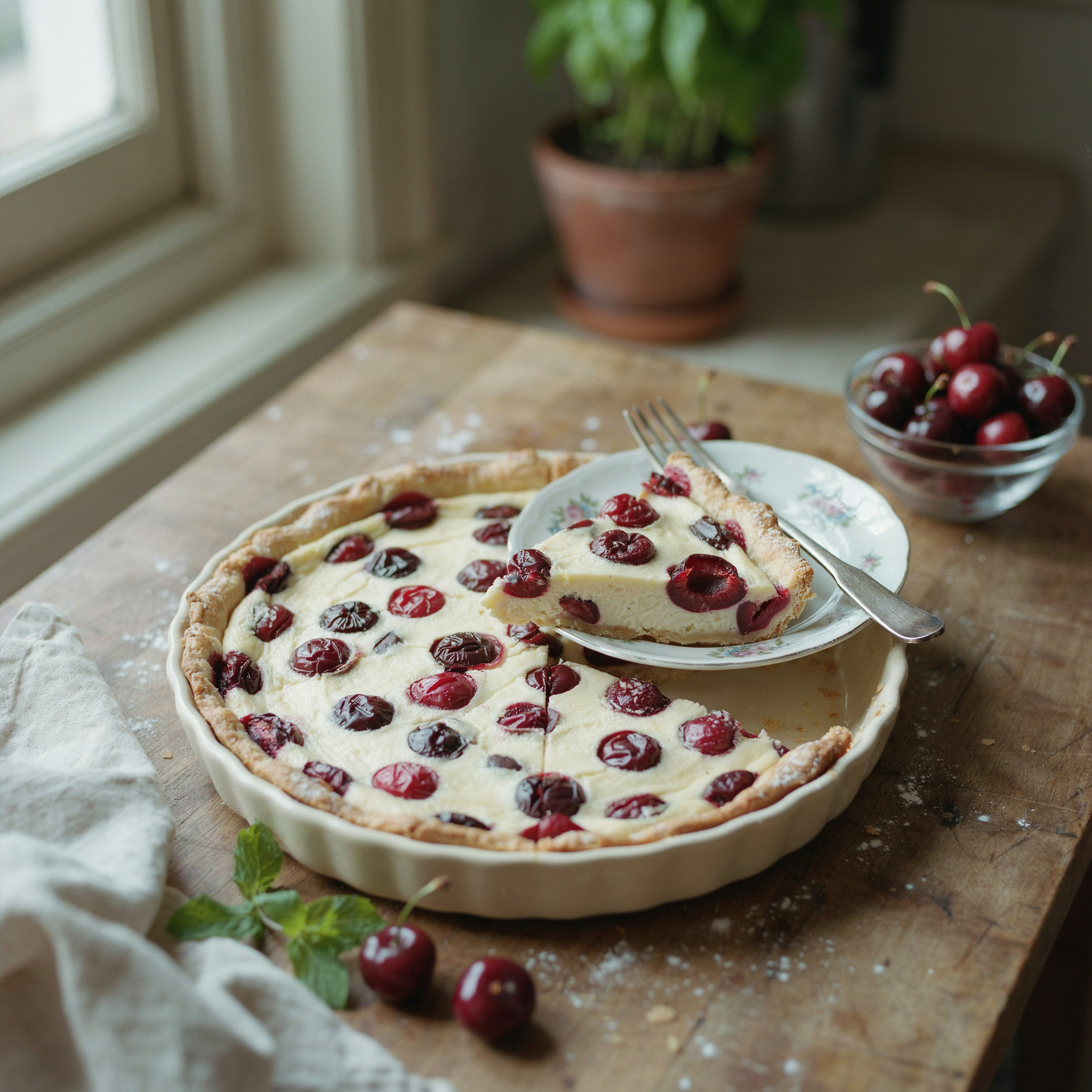
  • Crostata di Ricotta e Visciole

    This traditional Roman-Jewish tart features a sweet pastry crust filled with fresh ricotta cheese and sour cherries. The combination of rich, creamy cheese and tart fruit creates a perfectly balanced dessert.

    • Iconic
    • Vegetarian
    • Sweet

    €4–€8 approx.

    0votes — sign in to vote

  • Filetti di Baccalà

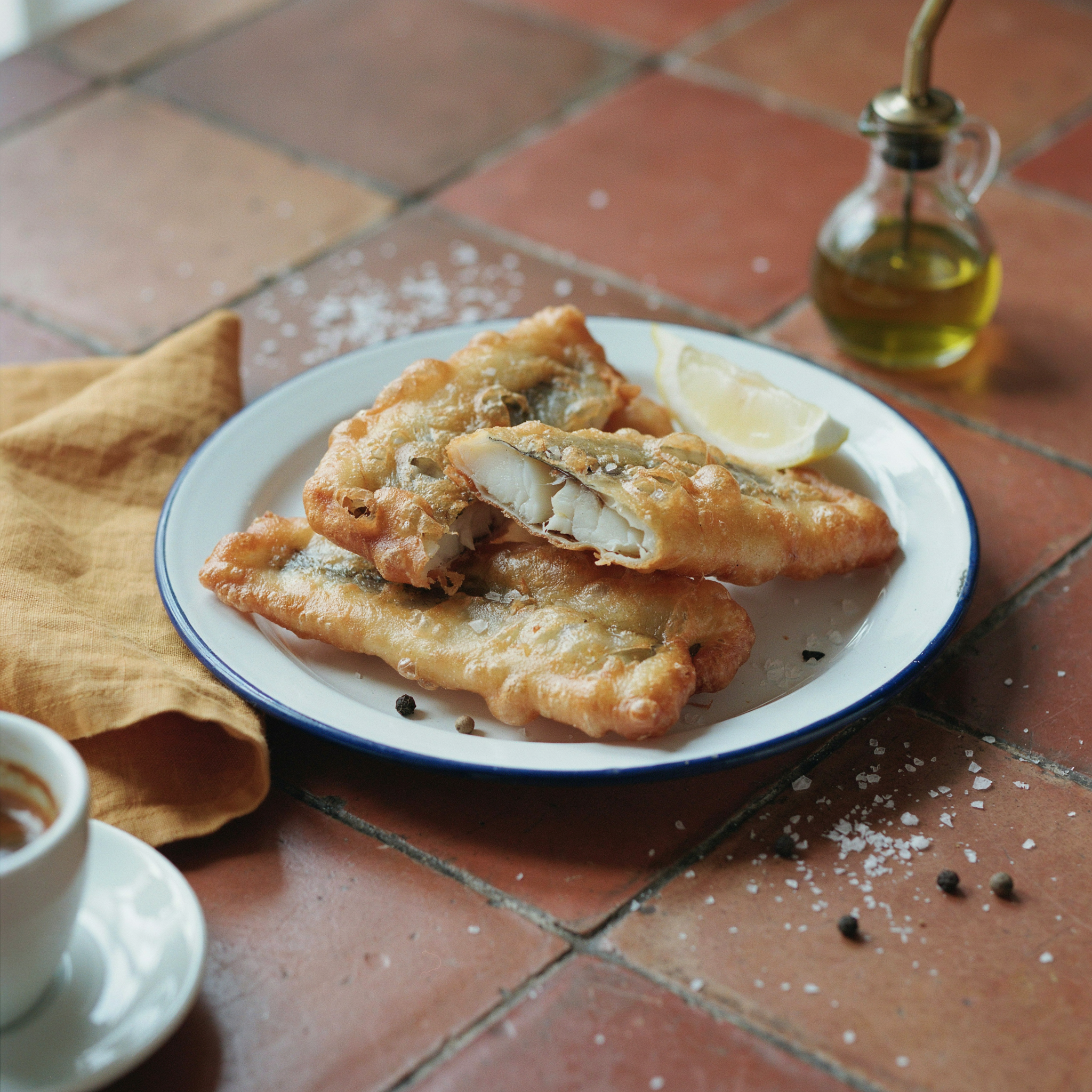
    These tender fillets of salted cod are dipped in a thick, bubbly yeast batter and deep-fried to a golden crisp. It is a beloved Roman street food and antipasto that delivers a perfect balance of salty fish and airy, crunchy crust.

    • Iconic
    • Street food
    • Seafood

    €4–€8 approx.

    0votes — sign in to vote
  • Gnocchi alla Romana

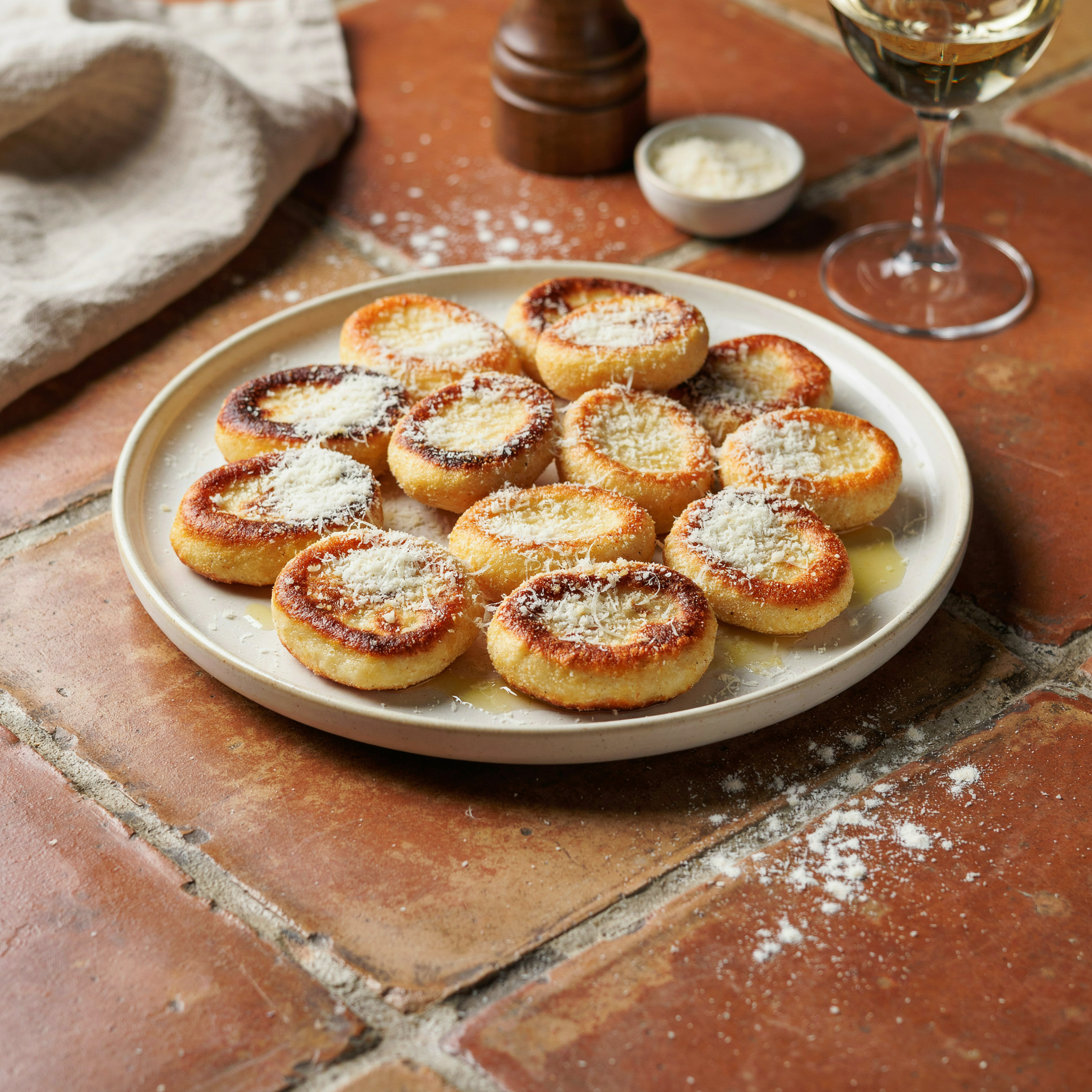
    Unlike potato-based variations, these Roman-style gnocchi are made from semolina flour cooked with milk and egg yolks to form soft disks. They are arranged in a baking dish, generously topped with butter and Pecorino Romano, and baked until a golden, bubbling crust forms.

    • Iconic
    • Vegetarian

    €9–€14 approx.

    0votes — sign in to vote
  • Pollo alla Romana

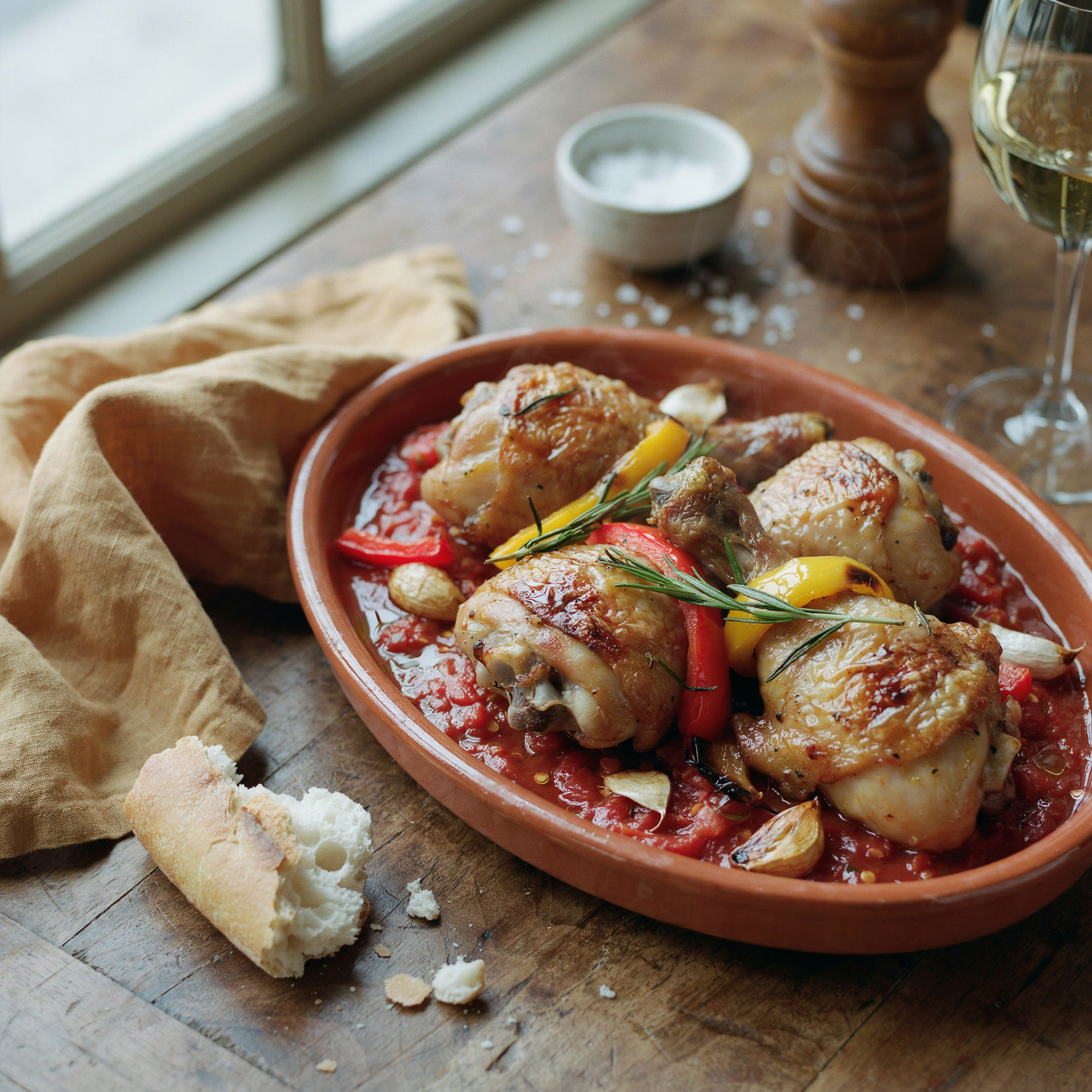
    This comforting rustic dish features chicken pieces slowly braised with sweet bell peppers, tomatoes, garlic, and white wine. The long cooking process allows the chicken to become incredibly tender while absorbing the sweet and savory flavors of the rich sauce.

    • Iconic

    €12–€18 approx.

    0votes — sign in to vote
  • Fiori di Zucca

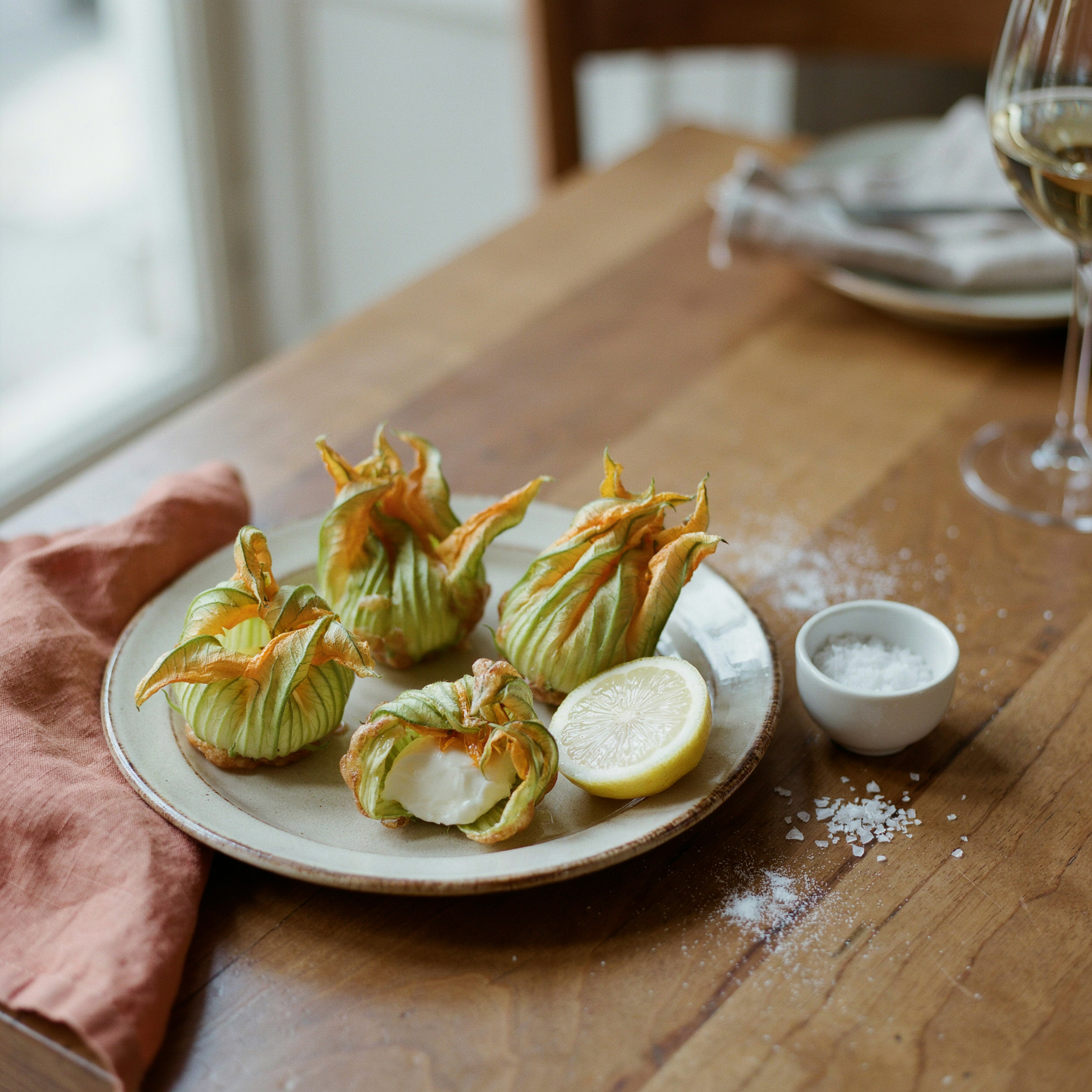
    These delicate zucchini flowers are stuffed with creamy mozzarella and a touch of savory anchovy before being battered and fried to a crisp. They offer a delightful contrast of textures, from the light, crunchy exterior to the warm, melted cheese inside.

    • Iconic
    • Street food
    • Seafood

    €3–€6 approx.

    0votes — sign in to vote
  • Carciofi alla Romana

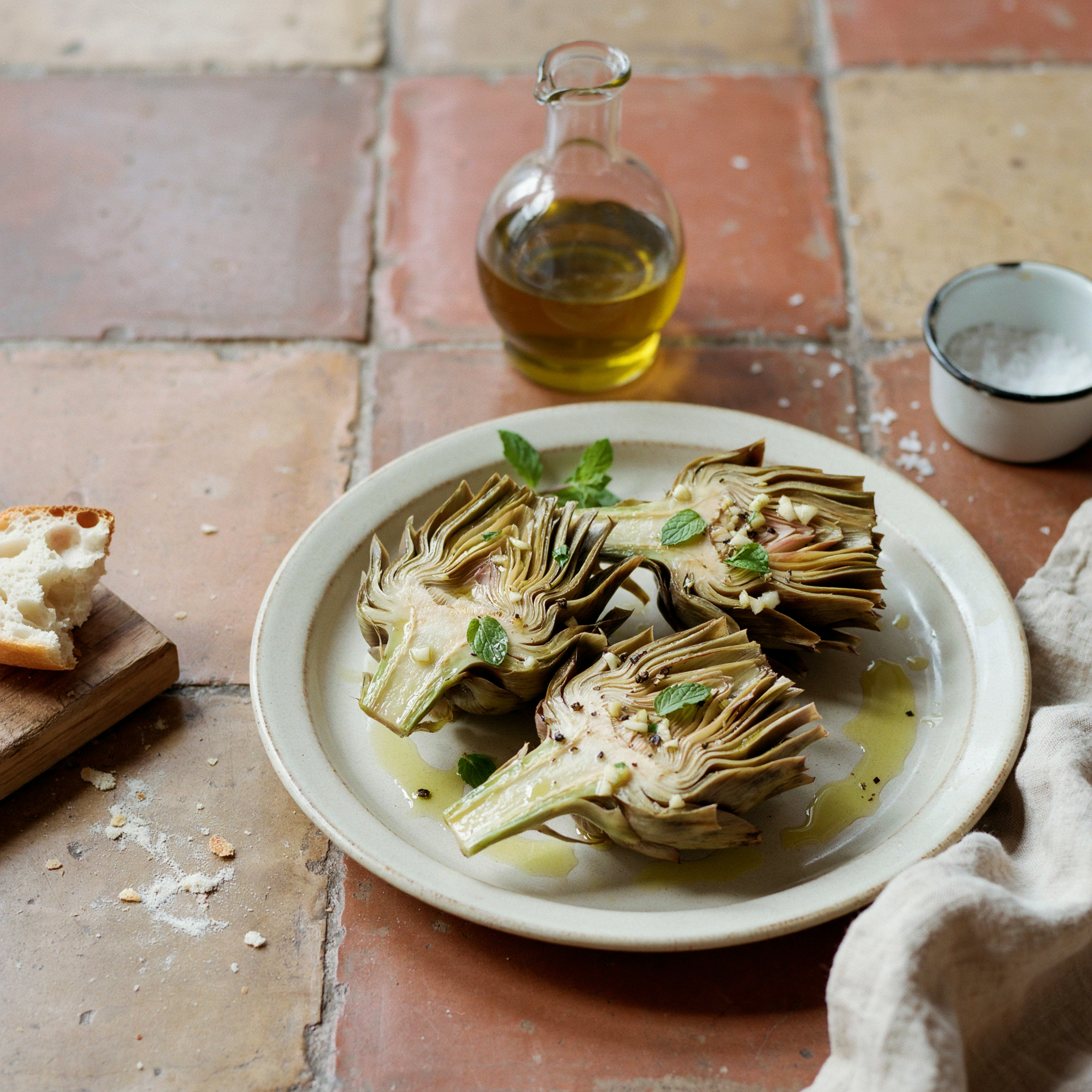
    These whole artichokes are stuffed with garlic, mint, and black pepper before being slowly braised in olive oil and water. The result is an incredibly tender artichoke that melts in your mouth, stalk included.

    • Iconic
    • Vegan

    €5–€9 approx.

    0votes — sign in to vote
  • Pizza Romana Tonda

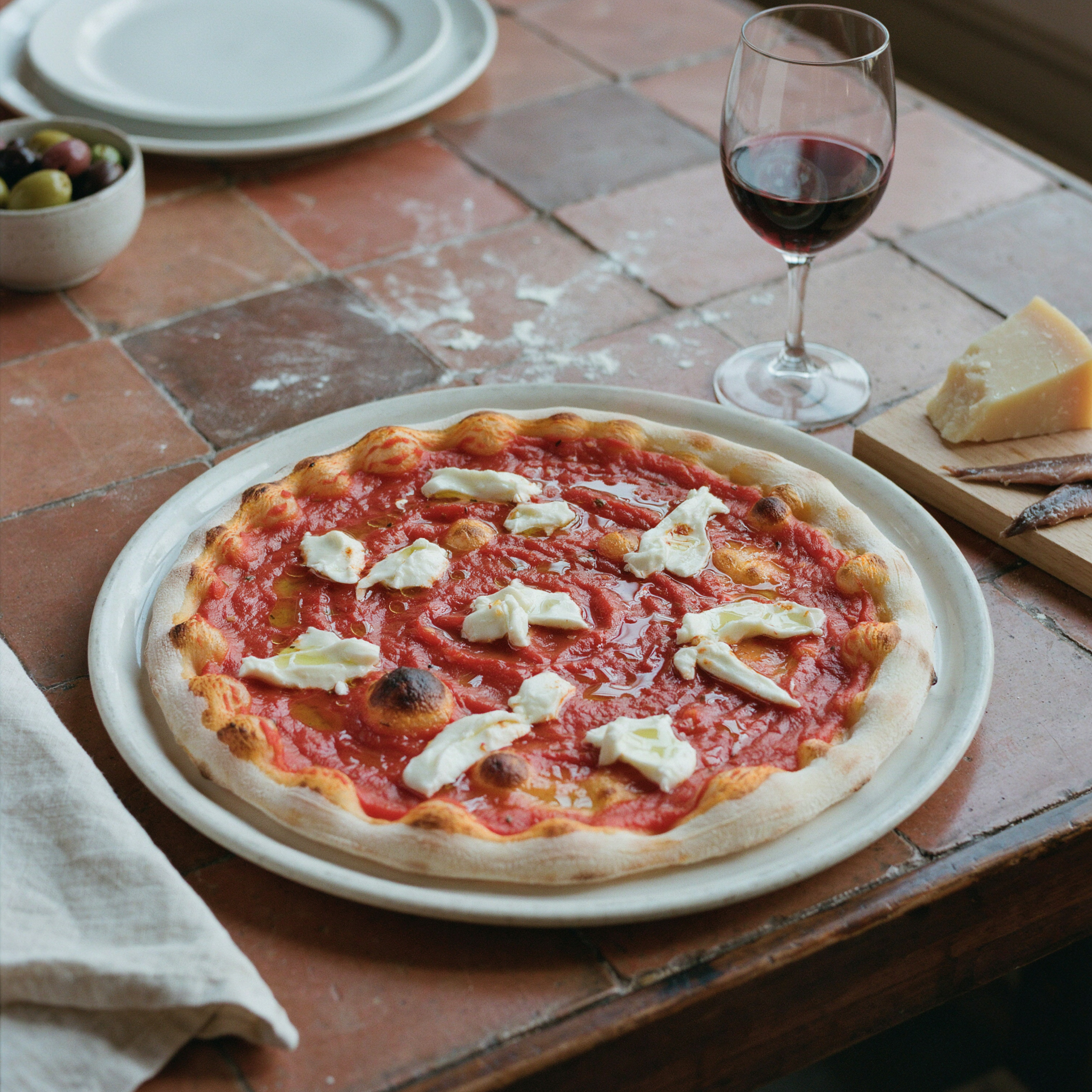
    This round, ultra-thin pizza features a crispy, almost cracker-like crust with virtually no raised edge. It is baked in wood-fired ovens and can be topped with simple ingredients like tomato, mozzarella, anchovies, or local vegetables.

    • Iconic
    • Vegetarian

    €7–€14 approx.

    0votes — sign in to vote
  • Rigatoni con la Pajata

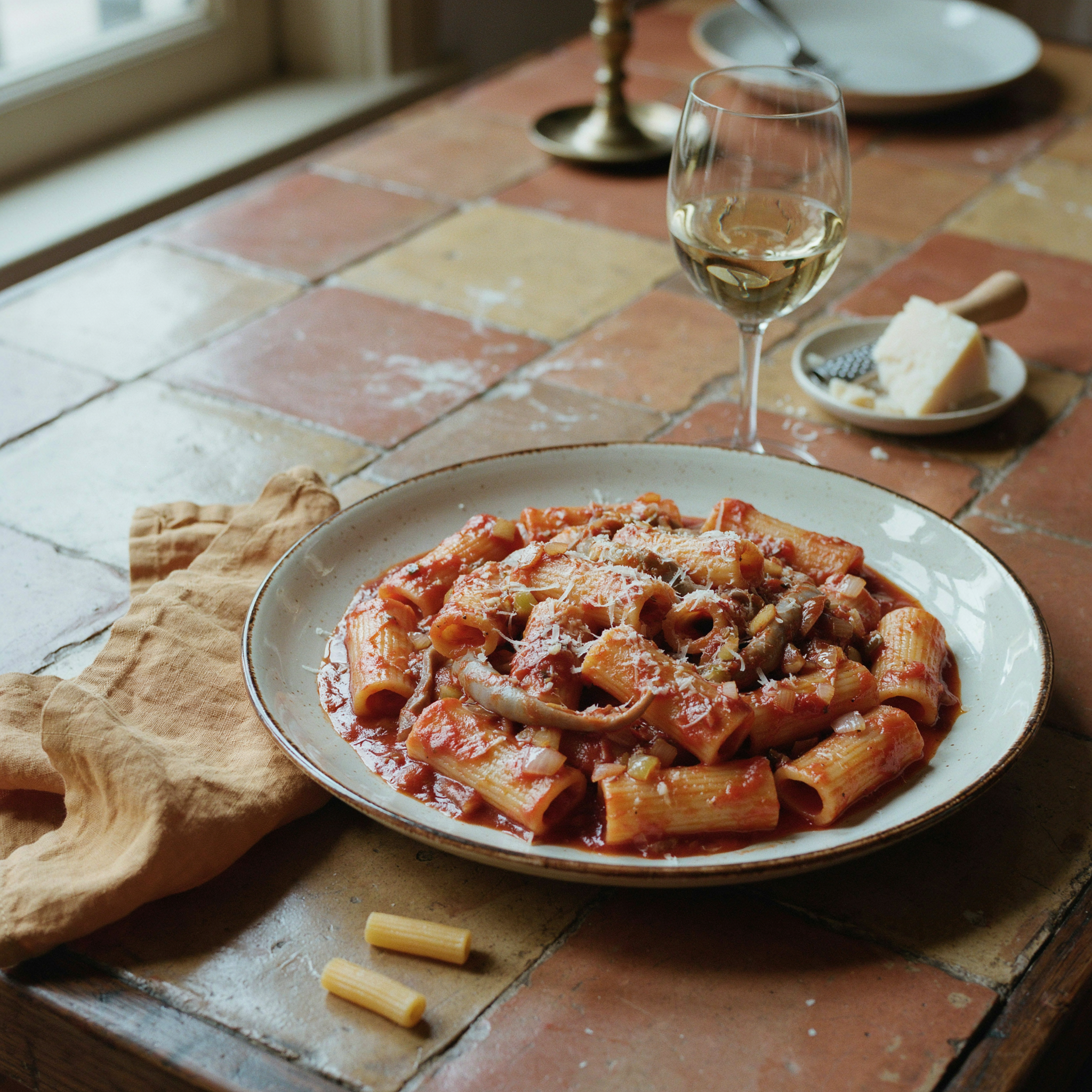
    This deeply traditional Roman pasta dish features a rich tomato sauce cooked with the intestines of milk-fed calves. The heat of cooking curdles the mother's milk inside the intestines, creating a creamy, cheese-like sauce with a unique, savory flavor.

    • Iconic

    €11–€17 approx.

    0votes — sign in to vote
  • Saltimbocca alla Romana

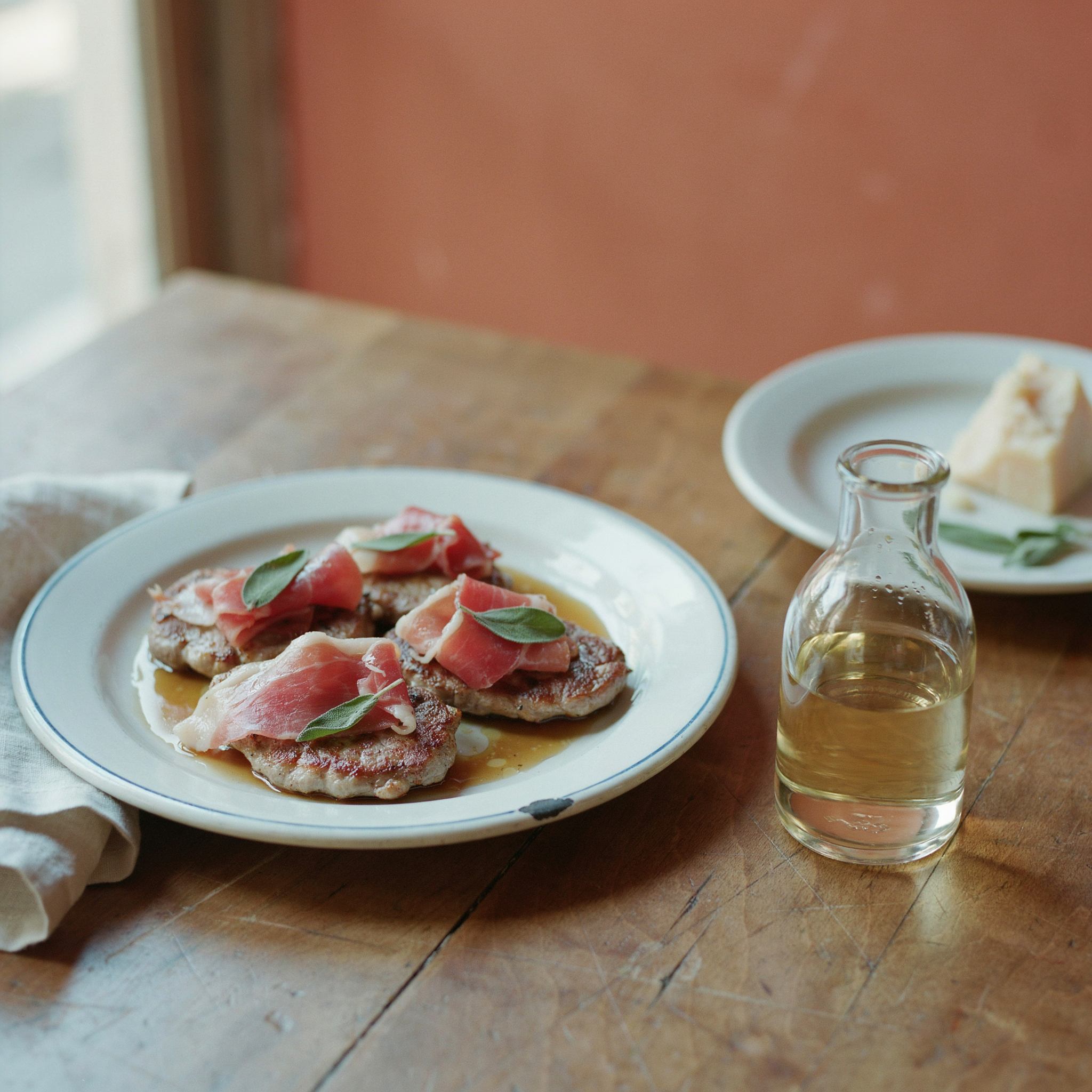
    Saltimbocca alla Romana is a Roman dish of thin veal layered with prosciutto and sage, secured together and quickly cooked in butter or olive oil. The pan is often deglazed with white wine so the meat stays tender and the sauce gains a savory, lightly acidic finish. Its name suggests that the flavor should “jump into the mouth”: salty cured ham, aromatic sage and delicate veal are meant to be tasted together. The dish is usually served as a compact second course rather than with a heavy sauce. In Rome, saltimbocca appears in traditional trattorias and restaurants focused on Roman cooking. It is a good choice when you want a classic local main that is lighter than a long-braised dish but more substantial than pasta. Preparation is fast, so the veal should remain tender rather than dry. Regional and restaurant variations exist, including substitutions for veal, but the Roman combination is the reference point.

      €14–€22 approx.

      0votes — sign in to vote
    • Trapizzino

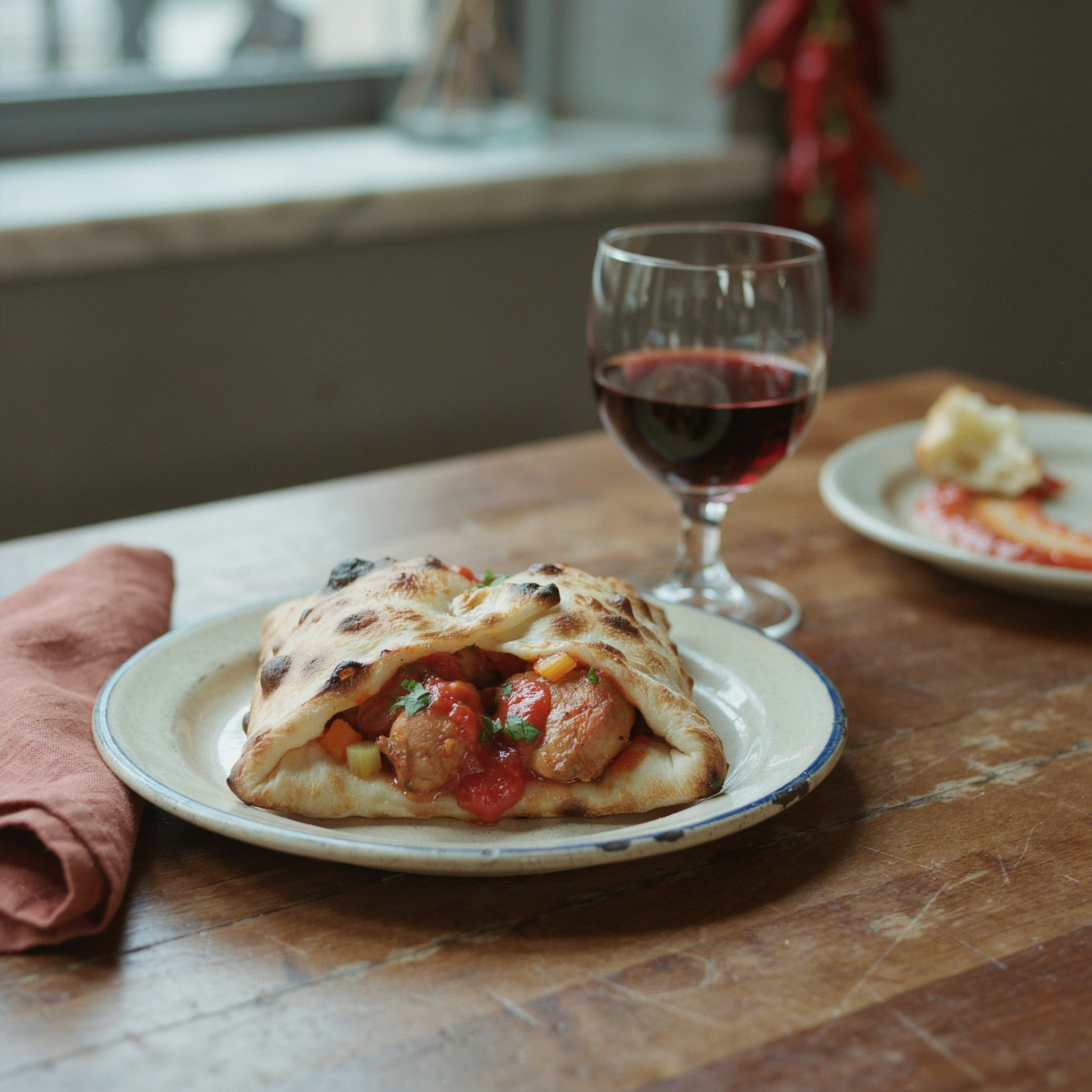
      Trapizzino is a triangular pocket of pizza bianca filled with a saucy Roman dish such as chicken cacciatora, meatball stew, braised oxtail or eggplant parmigiana. The bread is baked separately, then cut and opened so the filling can be tucked inside without losing its crisp edge. The result sits between a sandwich and a small portion of home-style cooking: the bread absorbs the sauce while remaining sturdy enough to hold in one hand. The snack was created in Rome in the modern era and is now associated with casual pizzerias and street-food counters. It gives visitors a practical way to taste Roman braises without committing to a full plate. Fillings change through the day, so a counter may offer several versions, including vegetarian choices. Look for a generous filling and bread that is toasted rather than soft or collapsing. The format is casual, but the fillings can preserve the character of a carefully cooked Roman stew.

      • Street food

      €4–€7 approx.

      0votes — sign in to vote
    Prices are approximate and editorial. Always check locally before ordering.