Skip to content
thebitepassport
London, United Kingdom

What to eat in London

United Kingdom

London is easiest to understand through its food traditions and the communities that have shaped its everyday eating. Start with a pub lunch such as pie and mash or a Sunday roast, then compare that with South Asian cooking around Brick Lane and the changing stalls at markets such as Borough Market. Fish and chips and a full English breakfast are familiar choices, but they are only one part of the city’s food story.

For a short visit, choose one meal by setting: a pub for a sit-down British classic, a market for a flexible lunch, or a neighborhood restaurant for a cuisine tied to London’s many communities. Check current market days and opening hours before going; stalls and schedules vary. Use the dish pages below to learn what each food is and what to look for when ordering.

Start a Food Mission here

8 dishes found

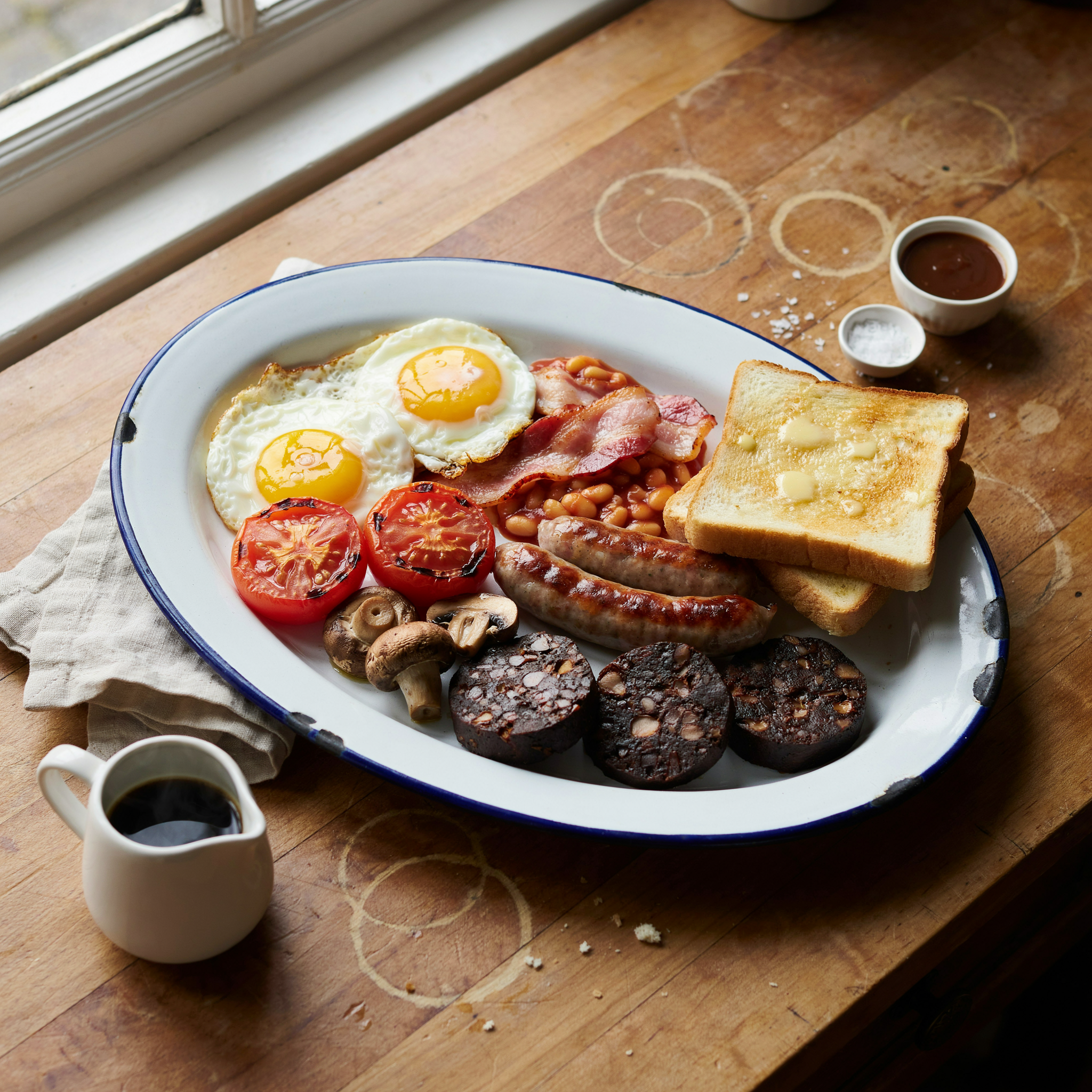
  • Full English Breakfast

    A full English breakfast is a substantial cooked breakfast built around eggs, bacon and sausages, usually accompanied by baked beans, tomatoes, mushrooms and toast. Depending on the café or pub, you may also find black pudding, hash browns or other regional additions on the plate. It is not a dish that needs to be eaten every morning — for many visitors, the attraction is precisely its scale and variety. A good full English gives you several different textures and flavours in one sitting, from crisp bacon and toast to creamy beans and a runny egg. It is particularly suited to a slow breakfast or late morning meal when you want something considerably more substantial than a pastry and coffee.

    • Iconic

    £8–£18 approx.

    0votes — sign in to vote
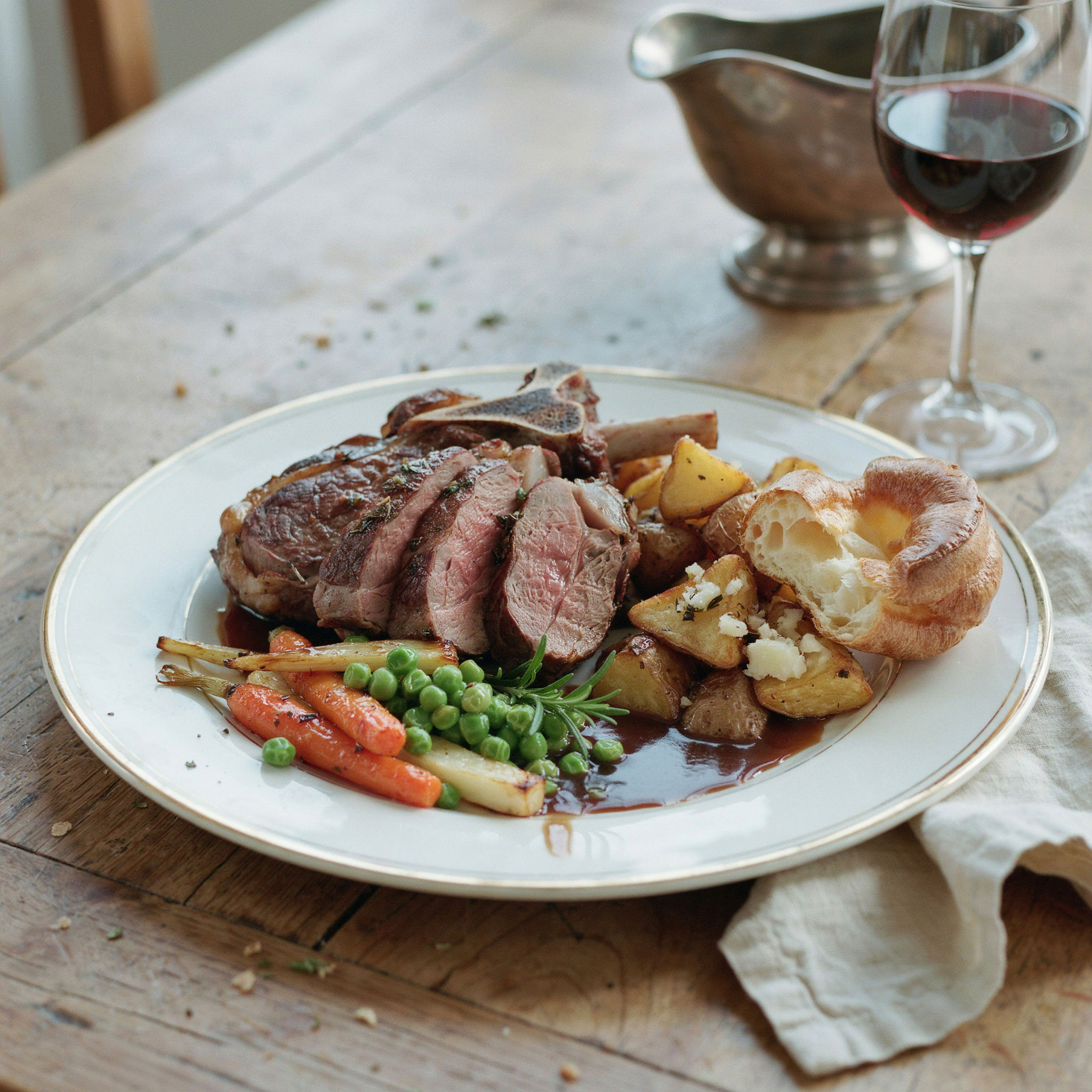
  • Sunday Roast

    A Sunday roast is less a single recipe than a traditional British meal built around roasted meat, potatoes, seasonal vegetables, Yorkshire pudding and plenty of gravy. Beef, chicken, lamb and pork are common choices, with the exact combination changing from pub to pub and season to season. In London, the Sunday roast is as much about the occasion as the food. It is designed for a slower meal, often served in pubs where people settle in for a long lunch rather than eating quickly and leaving. The ideal plate brings together crisp roast potatoes, tender meat, soft vegetables and Yorkshire pudding with enough gravy to connect everything.

    • Iconic

    £15–£30 approx.

    0votes — sign in to vote
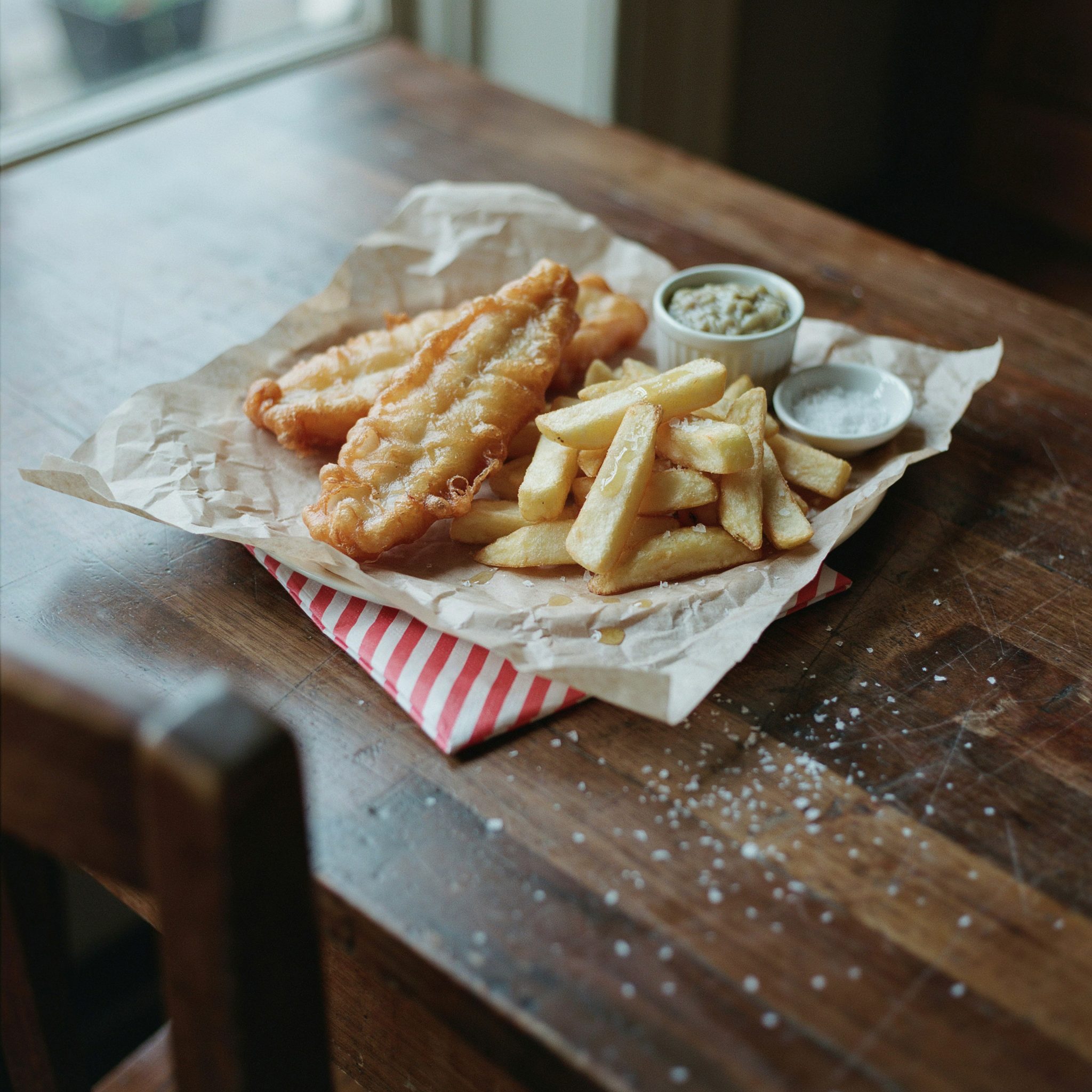
  • Fish and Chips

    Fish and chips is one of Britain's best-known meals: a piece of white fish, traditionally cod or haddock, coated in batter and fried until crisp, then served with thick-cut chips. The combination is deliberately uncomplicated, with salt and vinegar providing most of the seasoning and mushy peas often served alongside. In London, fish and chips can range from casual takeaway food to a more polished restaurant version, but the appeal remains the same. The fish should be hot and flaky inside its crisp coating, while the chips should have a substantial exterior and soft centre. It is one of the easiest British classics to understand because everything is on the plate at once: fried fish, potatoes, vinegar and a few simple accompaniments.

    • Iconic
    • Street food
    • Seafood

    £10–£20 approx.

    0votes — sign in to vote
  • Scotch Egg

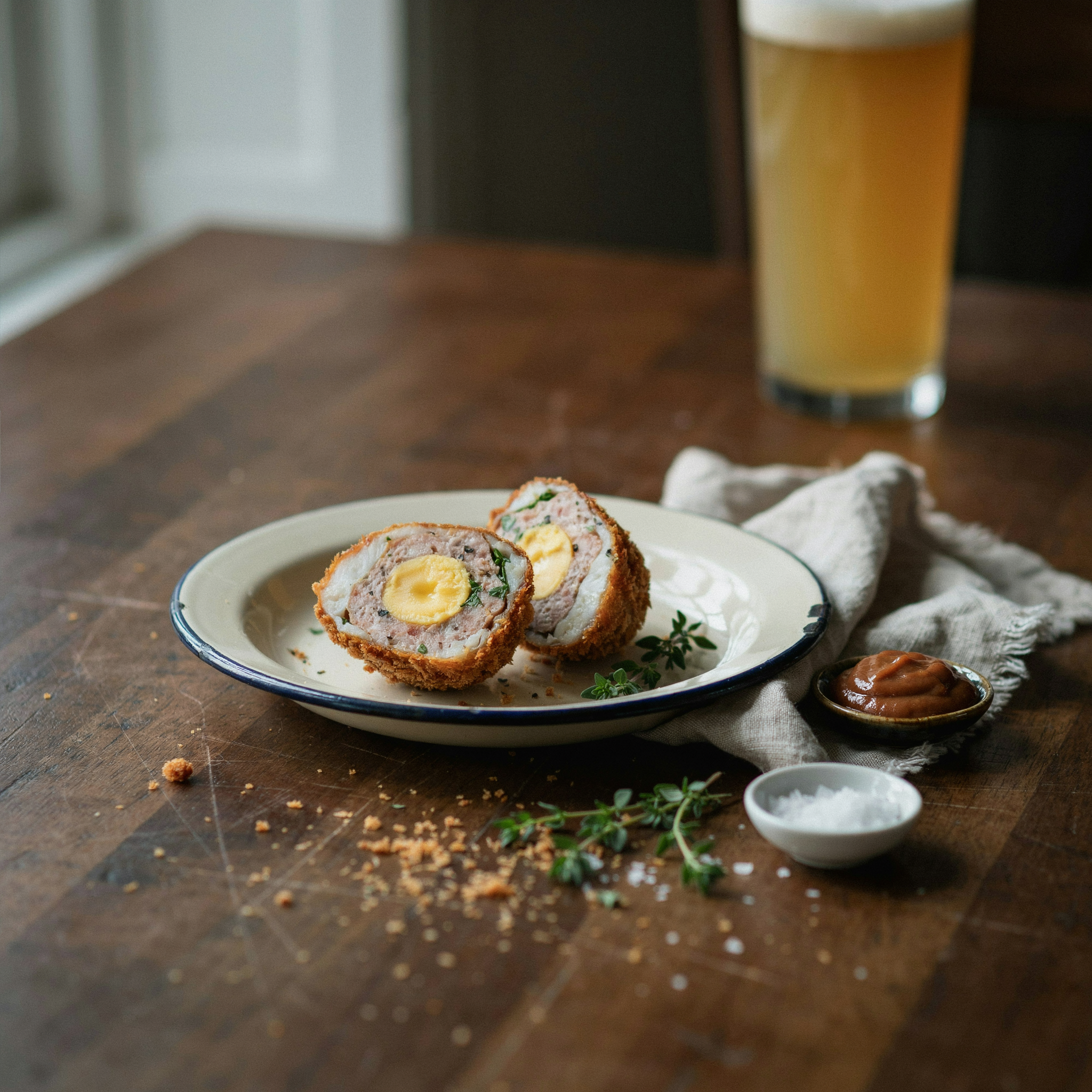
    A Scotch egg is a boiled egg wrapped in seasoned sausage meat, coated in breadcrumbs and fried or baked until the outside becomes crisp. The traditional appeal is the contrast between the crunchy coating, savoury sausage layer and soft egg at the centre. It is closely associated with British pubs, picnics and casual food rather than formal restaurant dining. You can eat one cold or warm depending on how it is prepared, and modern versions range from simple pub snacks to carefully made examples with different sausage seasonings and cooking styles.

    • Iconic
    • Street food

    £3.50–£8 approx.

    0votes — sign in to vote
  • Beef Wellington

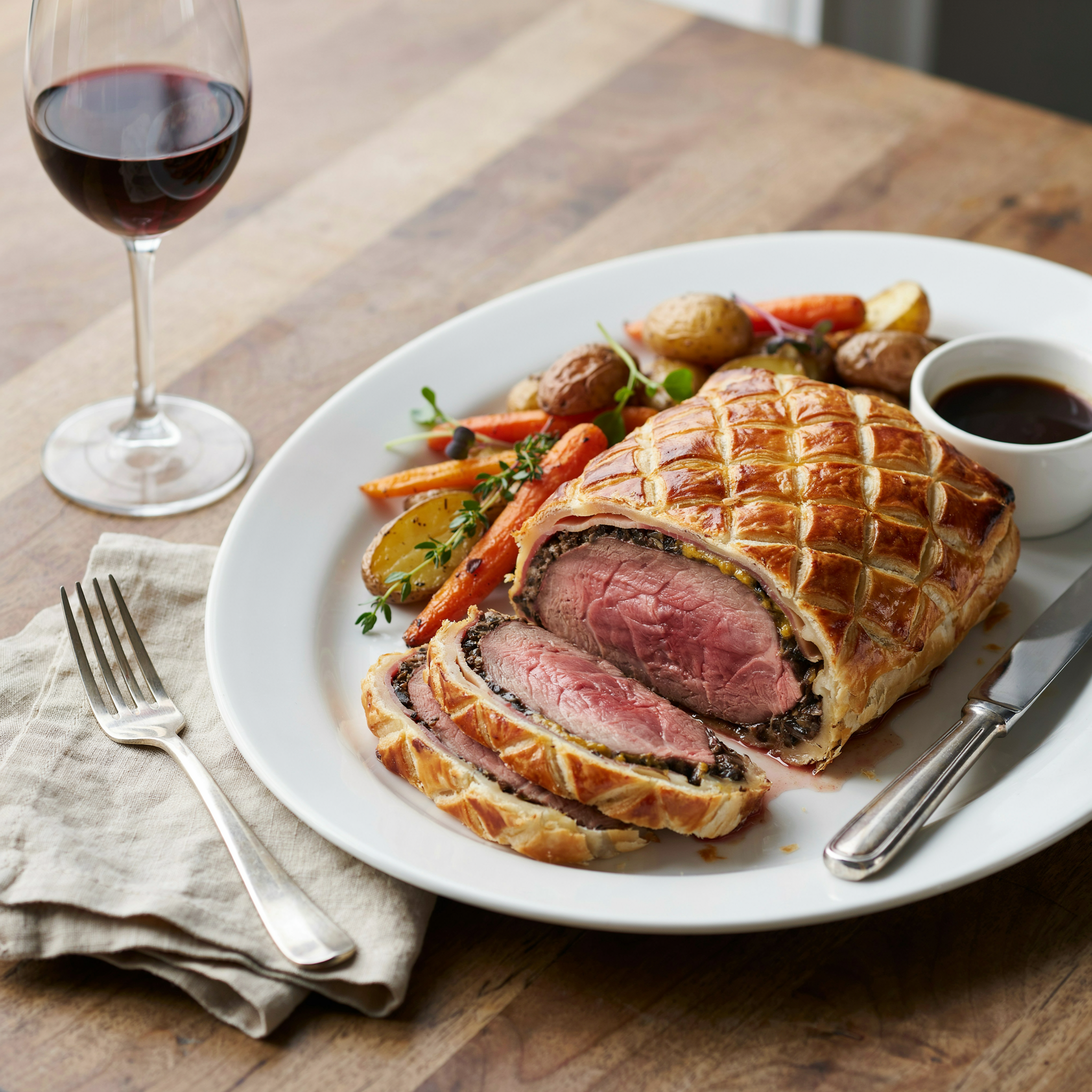
    Beef Wellington is a showpiece British dish built around a beef fillet wrapped in mushroom duxelles and pastry, then baked until the pastry becomes golden and crisp while the beef remains tender inside. The contrast between the flaky exterior, savoury mushroom layer and juicy beef is what makes the dish distinctive. Unlike fish and chips or pie and mash, Beef Wellington belongs to the more formal side of British dining. It is often presented as a centrepiece for a special meal and can be served with potatoes, vegetables and a rich sauce. In London, it remains a fixture of traditional British fine dining and continues to appear on menus at historic restaurants and modern interpretations alike.

    • Iconic

    £35–£80 approx.

    0votes — sign in to vote
  • Chelsea Bun

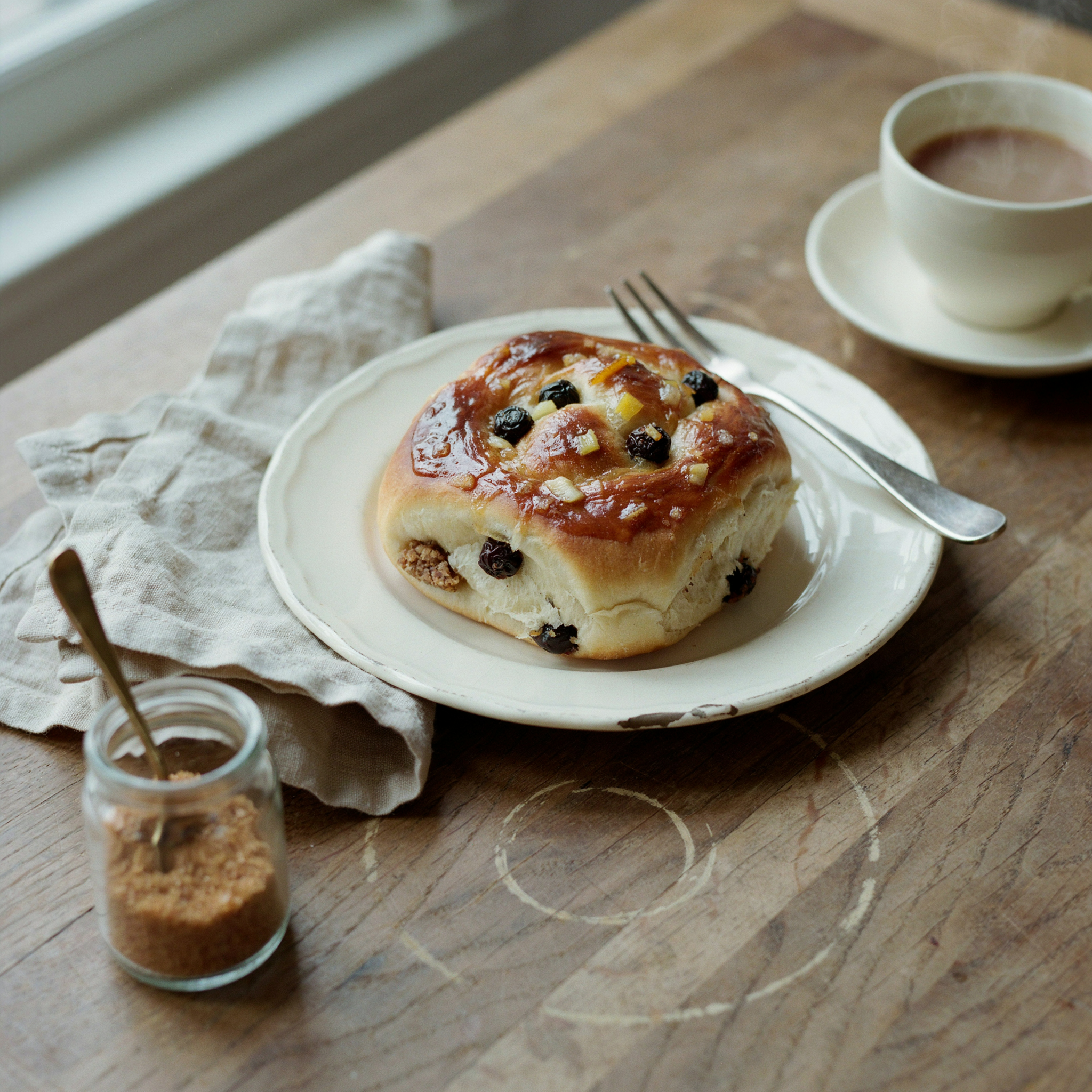
    The Chelsea bun is a sweet British pastry associated with the Chelsea area of London. It is made from enriched yeast dough rolled with ingredients such as currants or other dried fruit, spices and sugar before being baked and glazed. The result is soft and sticky inside, with caramelised edges and a sweet finish. It belongs to London's historic bakery tradition rather than the city's restaurant culture. That makes it an interesting choice for a breakfast or afternoon snack, particularly if you're exploring London's older neighbourhoods and want something different from the more internationally famous croissant or doughnut.

    • Iconic
    • Street food
    • Vegetarian
    • Sweet

    £2.50–£6 approx.

    0votes — sign in to vote
  • Pie and Mash

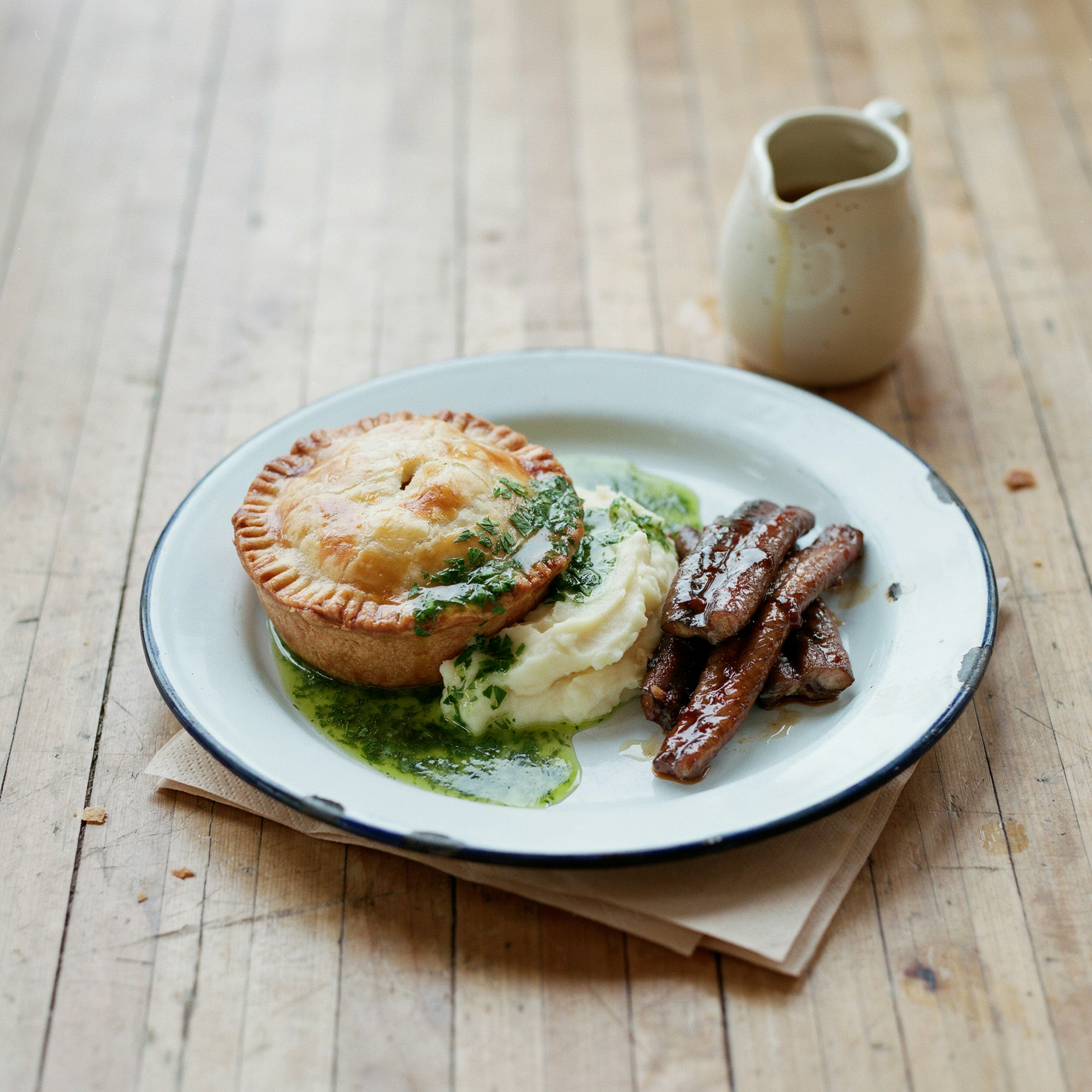
    Pie and mash is one of London's most distinctive traditional meals: a savoury minced-meat pie served with smooth mashed potatoes and traditionally accompanied by parsley liquor, a green sauce made from parsley and stock. The combination is filling, inexpensive and closely associated with the city's working-class food history. The dish feels particularly different from London's restaurant-oriented classics because it developed as everyday food rather than fine dining. A traditional serving is deliberately straightforward — pie, mash and plenty of liquor — and the experience is as much about the old London food culture surrounding it as the individual ingredients.

    • Iconic

    £5–£12 approx.

    0votes — sign in to vote
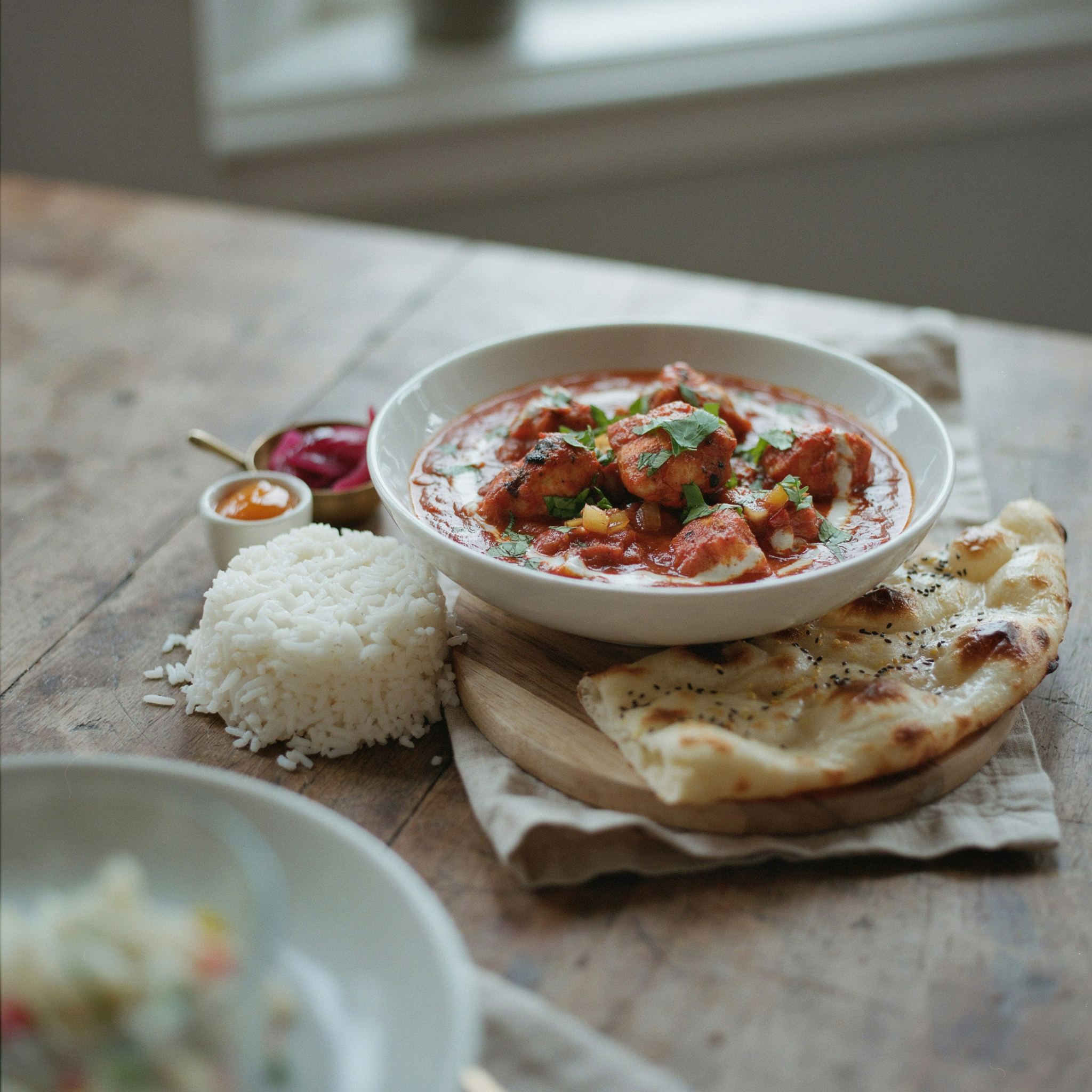
  • Chicken Tikka Masala

    Chicken tikka masala consists of pieces of grilled or roasted chicken tikka served in a spiced sauce, often built from tomatoes, aromatics, cream or yoghurt and a blend of South Asian seasonings. The chicken should carry some char from the grill, while the sauce ranges from bright and tomato-led to richer and creamier. It is not one fixed recipe: restaurants adjust sweetness, heat, color and texture, so two plates can taste quite different while still using the same name. Across Britain, chicken tikka masala belongs to the history of British curry-house cooking and the South Asian communities that shaped the country’s restaurant culture. Its exact origin is disputed, and it should not be presented as an ancient dish from one specific Indian region. Instead, it is best understood as a British South Asian restaurant dish that developed through migration, adaptation and customer demand. For travelers, that context is part of the food’s interest: the dish tells a story about Britain’s modern multicultural palate as much as about its ingredients.

    • Iconic
    • Spicy

    £12–£22 approx.

    0votes — sign in to vote

Prices are approximate and editorial. Always check locally before ordering.